How Commercial Kitchens Can Reduce FOG Without Major Upgrades
Table of Contents
What Is FOG and Why It’s a Serious Problem
Why FOG Control Matters for Commercial Kitchens
Common Sources of FOG in Commercial Kitchens
The Real Cost of Ignoring FOG
Why Major Upgrades Aren’t Always the Answer
Simple Daily Habits That Reduce FOG
The Power of Used Cooking Oil Collection
How Waste Cooking Oil Collection Services Help
Grease Trap Cleaning: Your First Line of Defense
Smart Kitchen Practices That Prevent FOG Buildup
Staff Training: The Most Overlooked Solution
Waste Segregation Without New Equipment
How Scheduling Prevents Emergency Plumbing
Reducing FOG While Staying Health-Code Compliant
Environmental Benefits of Proper FOG Management
Signs Your Kitchen Has a FOG Problem
Choosing the Right FOG Management Partner
How FOG Reduction Supports Long-Term Cost Savings
Final Thoughts: Small Changes, Big Results
What Is FOG and Why It’s a Serious Problem
FOG stands for fats, oils, and grease produced during cooking, cleaning, and food preparation. In commercial kitchens, FOG is unavoidable but how it’s handled makes all the difference.
When hot grease cools, it solidifies. If poured down sinks or floor drains, it coats pipes, traps food particles, and gradually forms blockages. Over time, this leads to:
Slow drains
Sewer backups
Strong odors
Emergency plumbing calls
Health department violations
FOG problems don’t happen overnight. They build quietly until they become expensive.
Why FOG Control Matters for Commercial Kitchens
Managing FOG is about more than just avoiding clogged pipes.
1. Regulatory Compliance
Most cities and counties enforce strict FOG regulations. Improper disposal can lead to:
Fines
Failed inspections
Temporary closures
2. Operational Continuity
FOG-related plumbing failures often happen during peak hours, disrupting service and revenue.
3. Cost Control
Preventive FOG management costs far less than emergency plumbing repairs or sewer damage.
4. Environmental Responsibility
FOG that enters sewer systems contributes to overflows that pollute waterways and damage ecosystems.
Common Sources of FOG in Commercial Kitchens
Understanding where FOG comes from is the first step toward controlling it.
Primary FOG Sources
Deep fryers
Flat-top grills
Sauté stations
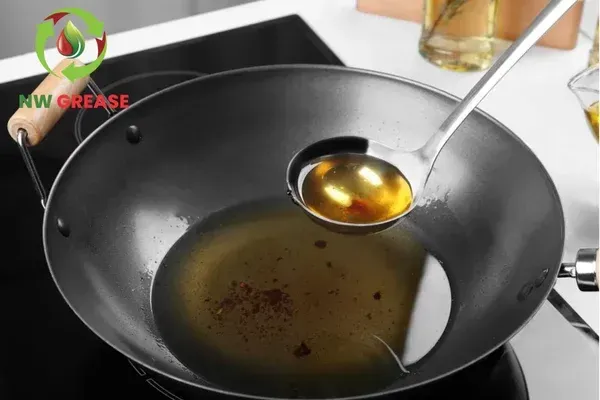
Woks
Food prep sinks
Dishwashing areas
Even routine cleaning can send grease into drains if not managed correctly.
The Real Cost of Ignoring FOG
Many kitchens underestimate how expensive FOG problems can become.
Hidden Costs Include:
Emergency plumber fees
Pipe replacements
Sewer line damage
Lost business during shutdowns
Repeat inspection failures
Long-term reputation damage
What starts as “just a little grease” can turn into thousands of dollars in preventable costs.
Why Major Upgrades Aren’t Always the Answer
When FOG problems arise, some operators assume the solution is:
Installing larger grease traps
Replacing plumbing
Renovating kitchens
In reality, behavioral changes and proper service scheduling often reduce FOG more effectively than expensive upgrades.
Most FOG issues are caused by:
Poor oil disposal habits
Infrequent grease trap cleaning
Lack of staff training
Inconsistent waste oil pickup
Addressing these areas delivers immediate results without tearing up your kitchen.
Simple Daily Habits That Reduce FOG
Small changes in daily operations can drastically cut FOG buildup.
Wipe Before You Wash
Scrape and wipe greasy pans, plates, and utensils before rinsing. This keeps grease out of drains.
Dry Cleanup First
Use paper towels or rubber scrapers to remove grease from surfaces before using water.
Let Oil Cool Completely
Never pour hot oil down drains. Once cooled, it should go into designated oil containers.
These habits cost nothing but save a lot.
The Power of Used Cooking Oil Collection
One of the most effective ways to reduce FOG is professional used cooking oil collection.
Instead of dumping oil:
It’s stored safely
Picked up on schedule
Recycled responsibly
Used cooking oil collection prevents grease from ever reaching your plumbing system, eliminating a major FOG source at the root.
Benefits Include:
Cleaner drains
Reduced odors
Lower plumbing maintenance
Compliance with local regulations
How Waste Cooking Oil Collection Services Help
A reliable waste cooking oil collection service does more than just remove oil it provides structure and accountability.
What a Professional Service Offers:
Leak-proof containers
Regular pickup schedules
Spill prevention
Clean storage areas
Documentation for compliance
When oil is managed consistently, FOG issues decline naturally without operational disruption.
Grease Trap Cleaning: Your First Line of Defense
Even with good oil habits, some grease will still enter your drainage system. That’s where grease trap cleaning becomes essential.
What Grease Traps Do
Grease traps intercept fats, oils, and solids before they reach sewer lines.
Why Cleaning Matters
When traps fill up:
Grease bypasses the trap
Drains slow down
Odors increase
Violations become likely
Regular grease trap cleaning keeps traps working efficiently and prevents system overload.
Smart Kitchen Practices That Prevent FOG Buildup
FOG reduction doesn’t require new equipment just smarter use of what you already have.
Use Sink Screens
Simple drain screens catch food scraps before they enter pipes.
Control Water Temperature
Extremely hot water can push grease further down pipes, where it solidifies later.
Separate Solid Waste
Food waste mixed with grease worsens blockages. Keep them separate.
Staff Training: The Most Overlooked Solution
Even the best systems fail without trained staff.
Train Staff On:
Proper oil disposal
What not to pour down drains
Where grease containers are located
Why FOG control matters
When employees understand the “why,” compliance improves dramatically.
Waste Segregation Without New Equipment
You don’t need new bins or machines to improve FOG control.
Simple Segregation Tips:
Clearly label oil containers
Keep grease bins close to fryers
Separate solid waste at prep stations
Use visual reminders near sinks
Clear systems reduce mistakes and keep grease out of drains.
How Scheduling Prevents Emergency Plumbing
Irregular service schedules are a common cause of FOG emergencies.
Consistent Scheduling Helps:
Prevent overfilled grease traps
Avoid container overflow
Maintain odor control
Reduce surprise backups
A structured schedule is far cheaper than emergency response.
Reducing FOG While Staying Health-Code Compliant
Health inspectors look closely at:
Grease trap maintenance
Oil storage areas
Drain conditions
Odor control
Combining used cooking oil collection, routine grease trap cleaning, and staff training helps kitchens pass inspections with confidence.
For broader waste-reduction strategies that support compliance, NW Grease also shares practical insights in this guide on
household waste reduction many of which apply to commercial kitchens as well.
Environmental Benefits of Proper FOG Management
FOG reduction isn’t just operational it’s environmental.
Positive Impacts Include:
Fewer sewer overflows
Cleaner waterways
Reduced landfill waste
Support for renewable fuel production
When oil is recycled instead of dumped, it becomes a resource rather than pollution. Businesses that partner with responsible service providers like NW Grease contribute directly to cleaner communities and sustainable infrastructure.
Signs Your Kitchen Has a FOG Problem
Not sure if FOG is affecting your operation? Watch for:
Slow or gurgling drains
Grease odors near sinks
Overflowing grease traps
Frequent plumbing calls
Inspection warnings
These are early warning signs and they’re fixable without major upgrades.
Choosing the Right FOG Management Partner
The right partner makes FOG control simple and stress-free.
Look For:
Licensed service providers
Reliable pickup schedules
Clean, secure containers
Transparent reporting
Local regulatory knowledge
A dependable partner turns FOG management into a routine not a recurring problem.
How FOG Reduction Supports Long-Term Cost Savings
Reducing FOG protects your bottom line by:
Preventing emergency plumbing costs
Avoiding fines and violations
Extending plumbing lifespan
Improving kitchen efficiency
Reducing downtime
Small, consistent actions add up to significant savings over time.
Final Thoughts: Small Changes, Big Results
Commercial kitchens don’t need costly renovations to control FOG. By improving daily habits, investing in used cooking oil collection, partnering with a reliable waste cooking oil collection service, and maintaining regular grease trap cleaning, kitchens can dramatically reduce FOG buildup without disrupting operations.
FOG management is about prevention, consistency, and smart partnerships. When handled correctly, it protects your kitchen, your staff, your customers, and your community proving that sometimes the most effective solutions are also the simplest.