Home Cooking Oil Recycling Made Simple
Table of Contents
Why Home Oil Recycling Matters
The Hidden Problem with Pouring Oil Down the Drain
How NW Grease Makes Household Waste Reduction Easy
Step-by-Step Guide to Recycling Used Cooking Oil at Home
Benefits of Using a Used Cooking Oil Collection Service in Washington
What Happens to Your Recycled Cooking Oil
How Recycling Helps Build a Greener Community
Final Thoughts
Why Home Oil Recycling Matters
Every time you fry, sauté, or roast, cooking oil plays a key role in bringing flavor to your food but what happens to that oil once it’s used? For many households, the answer is unfortunately simple: it goes down the drain.
This small act might seem harmless, but it contributes to plumbing blockages, sewage backups, and environmental pollution. The good news? You can make a big impact with small steps through home oil recycling.
With companies like NW Grease, homeowners across Washington now have an easier, cleaner, and more sustainable way to handle used oil turning waste into renewable energy and contributing to household waste reduction.
The Hidden Problem with Pouring Oil Down the Drain
When used oil is poured down the drain, it doesn’t just disappear. Instead, it cools and solidifies in your pipes, combining with food particles and debris to form tough clogs. These clogs can cause expensive plumbing repairs and sewer overflows that harm the local ecosystem.
Even a single cup of oil can contaminate thousands of gallons of water, impacting wildlife and soil health. This makes home oil recycling not just an eco-friendly choice but a vital one.
If you’re unsure how to start, NW Grease is here to guide you through a simple process that aligns with both household waste reduction goals and sustainable living.
How NW Grease Makes Household Waste Reduction Easy
At NW Grease, sustainability starts at home. The company offers an accessible and environmentally responsible used cooking oil collection service throughout Washington.
Here’s how it works:
You collect used oil from your kitchen in a sealed container.
NW Grease provides scheduled pickups right from your doorstep.
Your oil is safely transported, refined, and recycled into clean biodiesel fuel.
By partnering with NW Grease, you join a growing network of environmentally aware households committed to reducing waste and protecting local waterways.
Want to understand how your recycling efforts contribute to a cleaner environment? Read this post: Recycling Cooking Oil Matters for the Environment.
Step-by-Step Guide to Recycling Used Cooking Oil at Home
Ready to start your own home oil recycling routine? Follow these simple steps:
1. Let the Oil Cool Down
After cooking, allow the oil to cool completely. Hot oil can melt plastic containers and create safety risks.
2. Strain Food Particles
Use a fine strainer or cheesecloth to remove food bits before storing the oil. This keeps it clean for recycling.
3. Store Properly
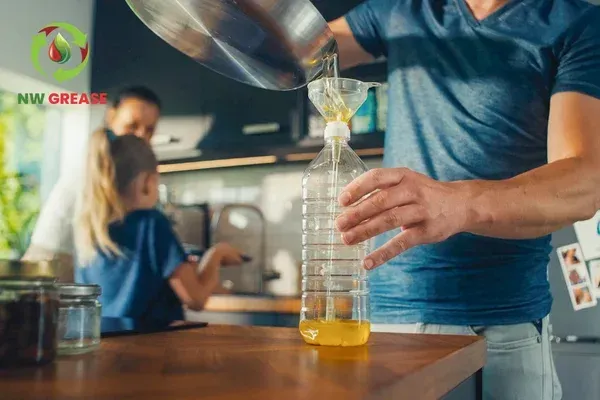
Pour the strained oil into a clean, leak-proof container with a lid old milk jugs or dedicated oil cans work great. Label it “Used Cooking Oil.”
4. Avoid Mixing Oils or Grease
Keep cooking oils separate from motor oil or animal fats to prevent contamination during recycling.
5. Schedule Pickup or Drop-Off
Contact NW Grease for convenient pickup options. Their used cooking oil collection service in Washington ensures that every drop of oil is handled responsibly.

Benefits of Using a Used Cooking Oil Collection Service in Washington
When you choose professional collection through NW Grease, you’re not just saving time you’re making a meaningful impact.
Here’s what you gain:
✅ Eco-Friendly Waste Management - Keeps harmful oils out of drains and soil.
✅ Supports Renewable Energy - Used oil is transformed into biodiesel fuel.
✅ Local Sustainability - Reduces the carbon footprint within your community.
✅ Convenience - Hassle-free pickups that fit your household schedule.
✅ Peace of Mind - Assurance that your waste is being recycled ethically and efficiently.
In short, it’s a simple way to live greener without disrupting your daily life.
What Happens to Your Recycled Cooking Oil
Once NW Grease collects your used oil, the recycling process begins. Here’s a quick look at how it’s transformed:
Filtration & Purification - The oil is filtered to remove water and food residues.
Refinement - It’s heated and treated to separate impurities.
Conversion - The clean oil undergoes a chemical process called transesterification, turning it into biodiesel.
Reuse - The resulting fuel powers vehicles, machinery, and heating systems a perfect example of circular economy in action.
This process not only reduces pollution but also creates sustainable energy alternatives for the renewable energy Washington market.
How Recycling Helps Build a Greener Community
By participating in home oil recycling, you’re helping Washington move toward a cleaner, more sustainable future. Here’s how:
🌎 Environmental Protection - Keeps oil out of water systems and landfills.
💧 Cleaner Waterways - Prevents harmful runoff that damages marine habitats.
🔥 Clean Energy Generation - Supports local biodiesel initiatives.
🏡 Community Leadership - Sets a positive example for neighbors and families.
It’s these small actions that build the foundation for a greener Pacific Northwest one kitchen at a time.
Final Thoughts
Recycling used cooking oil at home doesn’t have to be complicated. With the right guidance and a trusted partner like NW Grease, you can take control of your waste and turn everyday cooking habits into a force for good.
From reducing household waste to fueling renewable energy projects, your contribution matters more than you might think. Together, we can create cleaner homes, healthier communities, and a more sustainable future for all.
So the next time you fry up your favorite meal, remember your oil doesn’t have to go to waste. It can go toward something better. 🌿