The Complete Guide to Cooking Oil Recycling for Restaurants
Table of Contents
Introduction
Why Cooking Oil Recycling Matters
The Impact of Improper Oil Disposal
Understanding the Cooking Oil Recycling Process
Step-by-Step: How Restaurants Should Manage Used Oil
Partnering with a Reliable Used Oil Pickup Service
Benefits of Commercial Oil Recycling Services
Turning Restaurant Oil Waste into Renewable Energy
How NW Grease Helps You Stay Compliant and Sustainable
Final Thoughts
Introduction
If you run a restaurant, café, or food service business, you know how much cooking oil your kitchen goes through in a week. But what happens to all that used oil once the frying is done?
Many restaurant owners are unaware that improper disposal of used oil pouring it down the drain or tossing it out with regular waste can lead to plumbing disasters, environmental harm, and even legal issues.
This guide will walk you through everything you need to know about cooking oil recycling for restaurants from safe storage and collection to transforming that waste oil into clean, renewable energy. Whether you manage a small local diner or a chain of fast-food outlets, understanding how to handle restaurant oil waste properly can save money, reduce risks, and protect the environment.
Why Cooking Oil Recycling Matters
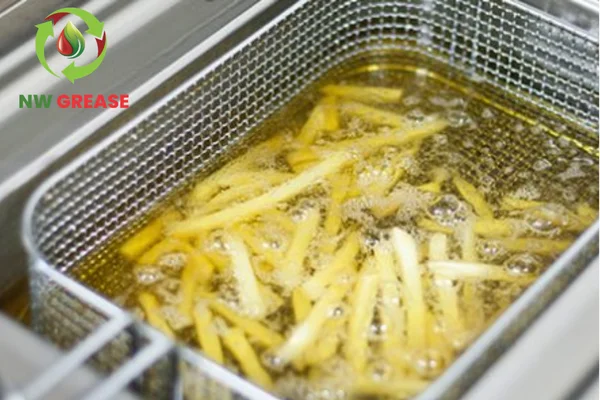
Cooking oil is more than just a byproduct it’s a valuable resource. Every gallon of used cooking oil can be recycled into something new and sustainable, like biodiesel fuel.
Unfortunately, many restaurants still pour oil down drains or mix it with other trash, unaware that this practice clogs pipes, damages sewers, and pollutes waterways. That’s where commercial oil recycling services step in, helping food establishments keep their operations eco-friendly and legally compliant.
The simple act of recycling cooking oil plays a huge role in environmental protection. According to the U.S. Environmental Protection Agency (EPA), used cooking oil recycling prevents thousands of tons of waste from entering landfills and contributes to cleaner air by producing renewable fuels.
By adopting a structured used oil pickup service, your restaurant joins the growing movement toward greener, more sustainable operations without sacrificing efficiency or profitability.
The Impact of Improper Oil Disposal
Pouring used oil down the sink or into garbage bins can seem convenient, but the long-term consequences are serious.
Clogged Drains and Sewer Damage
Grease solidifies as it cools, sticking to pipes and building up over time. Eventually, this leads to severe blockages and costly plumbing repairs.Environmental Pollution
Oil that enters storm drains flows directly into local waterways, creating a surface film that blocks oxygen and harms aquatic life.Health Hazards and Foul Odors
Improperly discarded oil decomposes, releasing unpleasant smells and attracting pests.Legal and Financial Risks
Many states, including Washington and Oregon, have strict waste disposal laws. Businesses that fail to comply may face fines or even business license suspension.
In short what goes down your drain doesn’t disappear. It becomes an expensive and environmentally damaging problem.
Understanding the Cooking Oil Recycling Process
So what happens when you recycle your used oil? Let’s break down the process that transforms restaurant oil waste into renewable energy.
Collection and Transportation
Your used oil pickup service collects oil directly from your storage containers using sealed, leak-proof equipment.Filtration and Purification
Once collected, the oil is transported to a recycling facility where it’s filtered to remove food particles, water, and other impurities.Conversion to Biodiesel
Through a chemical process known as transesterification, used cooking oil is converted into biodiesel a clean-burning, renewable alternative to traditional diesel.Reuse and Repurposing
Biodiesel powers vehicles, farm equipment, and even heating systems. Some recycled oils are also used in animal feed, soaps, or industrial lubricants.
This cooking oil recycling process not only keeps waste out of landfills but also helps reduce greenhouse gas emissions and dependence on fossil fuels.
For a deeper look at the environmental value of recycling, visit this insightful article on recycling cooking oil and the environment.
Step-by-Step: How Restaurants Should Manage Used Oil
To make oil recycling a seamless part of your kitchen operations, here’s a practical, step-by-step guide.
Step 1: Cool and Store Properly
After cooking, allow oil to cool before transferring it to a dedicated used oil storage container. Make sure the container is tightly sealed and kept away from food prep areas.
Step 2: Separate from Other Waste
Never mix cooking oil with water, chemicals, or food waste. Contamination makes it harder to recycle effectively.
Step 3: Label Containers Clearly
Proper labeling helps employees recognize where to pour used oil and prevents accidental cross-contamination.
Step 4: Schedule Regular Pickups
Partner with a trusted used oil pickup service that provides consistent collection schedules to avoid overflow or spillage.
Step 5: Maintain Cleanliness
Regularly clean collection areas to prevent grease buildup, which can attract pests and cause safety hazards.
Step 6: Track and Document Recycling
Many providers, including NW Grease, offer recycling reports a great way to demonstrate your commitment to sustainability and compliance.
Partnering with a Reliable Used Oil Pickup Service
Choosing the right used oil pickup service near me can make all the difference. Not all providers offer the same level of reliability or environmental accountability.
When selecting a recycling partner, consider these factors:
Local Compliance: Make sure they meet Washington and Oregon’s waste disposal standards.
Regular Collection Schedules: Missed pickups can cause overflow and contamination.
Transparent Documentation: Request recycling logs for your environmental audits.
Responsive Support: Choose a partner that offers quick communication and emergency services.
Eco-Certified Facilities: Ensure the company recycles oil responsibly rather than reselling it for improper use.
A professional partner like NW Grease provides full-service commercial oil recycling from pickup to processing giving restaurants peace of mind that their waste oil is handled responsibly.
Benefits of Commercial Oil Recycling Services
Recycling oil isn’t just a good environmental move it’s good business. Here’s why more restaurants are turning to commercial oil recycling services:
Cost Savings
Avoid expensive plumbing repairs and waste management penalties.Environmental Compliance
Stay ahead of regulations and demonstrate social responsibility.Health and Safety
Keep your kitchen cleaner and reduce the risk of accidents.Community Impact
Support local recycling initiatives that contribute to renewable energy in your community.Sustainability Branding
Customers care about eco-friendly practices. Advertising your recycling efforts boosts your brand reputation.
Turning Restaurant Oil Waste into Renewable Energy
The beauty of recycling lies in transformation. What once coated a fryer becomes fuel for trucks, generators, and even planes.
The process works like this:
Collection: Restaurants store oil in specialized containers.
Transport: The oil is picked up by commercial oil recycling services like NW Grease.
Refinement: Impurities and water are removed.
Conversion: Clean oil undergoes a chemical reaction to create biodiesel.
Reuse: The final product is a renewable energy source that produces fewer emissions.
Through this cycle, restaurant oil waste evolves from kitchen grease into an eco-friendly power source a clear win for both businesses and the planet.
How NW Grease Helps You Stay Compliant and Sustainable
NW Grease has built a reputation across the Pacific Northwest for dependable, eco-conscious used oil pickup services. Serving restaurants in Washington and Oregon, the company provides:
Scheduled Pickup Services: Tailored to your restaurant’s volume and frequency.
Safe, Sealed Containers: To prevent leaks and contamination.
Regulatory Compliance: Ensuring your waste oil disposal meets environmental standards.
Transparent Recycling Reports: To help you track your sustainability progress.
Emergency Assistance: For unexpected spills or urgent collection needs.
By choosing NW Grease, you’re not just disposing of oil you’re investing in a sustainable cycle that supports renewable energy initiatives throughout the Pacific Northwest.
Final Thoughts
Recycling cooking oil isn’t just a routine kitchen chore it’s a powerful way to make your restaurant more sustainable, responsible, and efficient. With the right used oil pickup service, you can protect your plumbing, reduce waste, and contribute to cleaner energy for your community.
NW Grease’s comprehensive commercial oil recycling services take the hassle out of oil disposal, ensuring your restaurant oil waste is transformed into something meaningful.
Small steps in your kitchen today can lead to a greener tomorrow one gallon of recycled oil at a time.