Why Recycling Used Cooking Oil Matters for the Environment
Table of Contents
Introduction: The Hidden Environmental Impact of Used Cooking Oil
What Is Used Cooking Oil Recycling?
How Improper Oil Disposal Harms the Planet
The Process: From Waste to Renewable Resource
Yellow Grease Recycling: Turning Kitchen Waste into Green Gold
The Role of Waste Oil Removal Services
The Environmental Benefits of Cooking Oil Recycling
Economic and Community Benefits
How Restaurants and Households Can Start Recycling Cooking Oil
Common Myths About Used Oil Recycling
The Future of Sustainable Waste Management
Final Thoughts
Introduction: The Hidden Environmental Impact of Used Cooking Oil
Every day, restaurants, hotels, and even households generate thousands of gallons of used cooking oil. While it may seem harmless to pour it down the drain or toss it out, the reality is far more damaging. When cooking oil enters the sewage system, it cools and hardens, clogging pipes, polluting waterways, and creating serious environmental hazards.
That’s why used cooking oil recycling is more than just a smart business move it’s an ecological responsibility. By transforming waste oil into renewable energy sources, we can reduce pollution, conserve natural resources, and support a circular economy that benefits everyone.
If you’re running a commercial kitchen or restaurant in the Pacific Northwest, you can learn more about sustainable collection and waste oil removal solutions from NW Grease a trusted regional leader in eco-friendly grease and oil management.
What Is Used Cooking Oil Recycling?
Used cooking oil recycling is the process of collecting, filtering, and repurposing used oil from kitchens, restaurants, and food production facilities. Instead of dumping the oil into the trash or sewer, recycling companies collect it and refine it into valuable products such as:
Biodiesel fuel
Animal feed additives
Industrial lubricants
Soap and cosmetic bases
The process begins when collection companies pick up stored used oil in containers or drums. It’s then transported to a processing facility where contaminants like water and food particles are removed. The refined oil, often called yellow grease, becomes a key ingredient in sustainable biofuel production.
How Improper Oil Disposal Harms the Planet
When used oil is disposed of incorrectly, the damage is both immediate and long-lasting. Here’s what happens when it’s poured down the drain or thrown into the trash:
1. Water Pollution
Just one gallon of cooking oil can contaminate up to one million gallons of water. Oil forms a thin film on the surface, blocking oxygen exchange and suffocating aquatic life.
2. Sewer Blockages and Fatbergs
Oil cools and solidifies, sticking to other waste and forming “fatbergs” massive, rock-hard blockages that cost cities millions to remove.
3. Greenhouse Gas Emissions
When cooking oil breaks down anaerobically (without oxygen), it emits methane a greenhouse gas that’s 25 times more potent than carbon dioxide.
4. Landfill Overload
Oil dumped with regular waste adds to landfill volume and contaminates soil, making it harder to manage waste sustainably.
Recycling eliminates these problems, ensuring used oil is safely transformed into renewable resources instead of becoming an environmental hazard.
The Process: From Waste to Renewable Resource
The journey of cooking oil recycling is a fascinating example of the circular economy in action. Here’s a closer look at how it works:
Collection and Storage
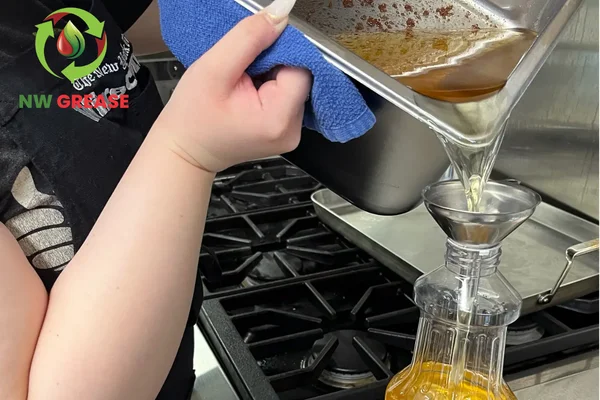
Restaurants and facilities store used oil in secure, leak-proof containers provided by licensed recycling companies.Transportation
Specialized vehicles pick up the oil on scheduled routes to minimize disruption and ensure consistency.Filtration and Refining
At the recycling facility, the oil is filtered to remove food particles, water, and impurities.Conversion into Biodiesel or By-products
The cleaned oil known as yellow grease is converted into biodiesel, a renewable, cleaner-burning alternative to fossil fuels.Distribution and Reuse
The biodiesel is sold to energy companies or used in transportation fleets, completing the cycle from kitchen waste to renewable energy.
Each step of the process helps close the loop on waste, reducing the need for new raw materials and lowering the overall carbon footprint.
Yellow Grease Recycling: Turning Kitchen Waste into Green Gold
Yellow grease recycling is the cornerstone of sustainable oil management. Yellow grease refers to used cooking oil that has been filtered and refined for reuse. While it may sound unappealing, this golden-colored liquid is a vital resource in today’s renewable energy landscape.
Benefits of Yellow Grease Recycling
Renewable Energy Source: Yellow grease can be converted into biodiesel, reducing dependence on petroleum.
Lower Emissions: Biodiesel made from used oil produces up to 80% fewer carbon emissions than fossil fuels.
Economic Value: Recycled oil creates a new revenue stream for businesses that generate large volumes of waste oil.
Through proper recycling, what was once waste becomes a valuable environmental asset and a step toward a cleaner planet.
The Role of Waste Oil Removal Services
Proper waste oil removal is essential for both environmental protection and regulatory compliance. Certified recycling companies handle collection, transport, and processing according to strict environmental standards.
Partnering with professionals like NW Grease ensures your used oil is managed responsibly and efficiently. They provide sealed containers, timely pickups, and documentation for environmental audits so businesses stay compliant with local and federal waste management laws.
By outsourcing to experts, restaurants and food facilities eliminate safety risks, prevent spills, and maintain clean, efficient operations all while contributing to sustainability goals.
The Environmental Benefits of Cooking Oil Recycling
Recycling cooking oil delivers numerous direct and indirect environmental benefits:
1. Reduces Carbon Footprint
Transforming waste oil into biodiesel reduces greenhouse gas emissions by replacing fossil fuels with renewable energy.
2. Prevents Water and Soil Contamination
Oil recycling keeps pollutants out of waterways and soil, protecting delicate ecosystems and drinking water sources.
3. Promotes Renewable Energy Production
Biodiesel from recycled oil supports a circular economy turning waste into energy without depleting new resources.
4. Reduces Waste in Landfills
Recycling diverts thousands of gallons of oil from landfills every year, easing waste management pressure.
5. Supports Sustainable Business Practices
For restaurants and commercial kitchens, recycling demonstrates corporate responsibility and attracts eco-conscious customers.
Economic and Community Benefits
Beyond environmental protection, used cooking oil recycling provides significant economic and social benefits:
Job Creation: The recycling industry supports local economies by creating jobs in logistics, processing, and renewable energy.
Revenue Opportunities: Businesses can sometimes earn rebates or credits for their recycled oil.
Reduced Maintenance Costs: Regular oil removal prevents pipe blockages and equipment damage, saving on repairs.
Community Health: Cleaner waste management reduces pests, odors, and contamination in neighborhoods.
Sustainability isn’t just good for the planet it’s also good business.
How Restaurants and Households Can Start Recycling Cooking Oil
For Restaurants and Commercial Kitchens
Partner with a licensed collection company such as NW Grease.
Store used oil in approved, clearly labeled containers.
Schedule regular pickups to prevent overflow or contamination.
Keep records of waste removal for compliance.
For Households
Let used oil cool completely before handling.
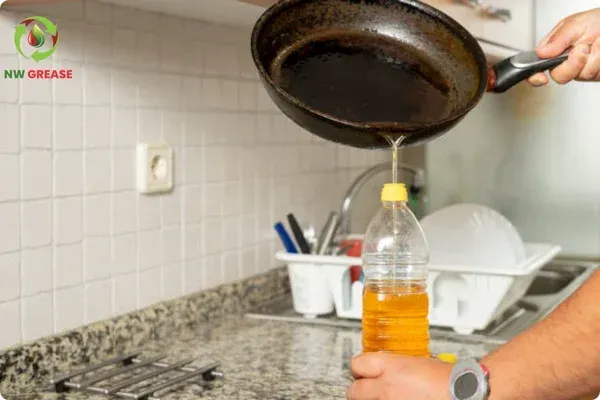
Pour it into a clean, sealable container (like a milk jug).
Bring it to a local recycling center or collection event.
Never pour oil down the drain or mix it with other waste.
By adopting these practices, everyone from large restaurants to individual households can play a role in environmental protection.
Common Myths About Used Oil Recycling
Myth 1: Recycling Used Cooking Oil Isn’t Worth the Effort
False. Recycling conserves energy, prevents pollution, and contributes to renewable fuel production. The environmental return is massive.
Myth 2: It’s Too Expensive
Most collection companies provide free containers and pickups, offsetting costs with the resale value of recycled oil.
Myth 3: Recycled Oil Can’t Be Safe
Recycled cooking oil isn’t reused for food. It’s refined into biodiesel and industrial products, ensuring safety and compliance.
Myth 4: Only Big Restaurants Can Recycle
Even small cafes and food trucks can participate. Every drop adds up in the fight against pollution.
The Future of Sustainable Waste Management
The future of cooking oil recycling is bright. As renewable energy demands grow, so does the value of recycled oils. Emerging technologies are making the conversion process more efficient, yielding cleaner biodiesel and higher recovery rates.
Governments are also introducing stricter environmental regulations, encouraging more businesses to adopt responsible waste oil management. In the near future, used cooking oil could become a major component of regional renewable energy programs powering vehicles, generators, and even aircraft.
Companies like NW Grease are leading this transformation by offering sustainable, compliant, and customer-focused services that make eco-friendly oil disposal effortless for commercial kitchens.
Final Thoughts
Recycling used cooking oil is not just a waste management practice it’s a vital part of our environmental future. Every gallon of oil recycled prevents pollution, reduces carbon emissions, and supports renewable energy innovation.
Whether you’re a restaurant owner, kitchen manager, or environmentally conscious homeowner, participating in used cooking oil recycling is one of the simplest and most impactful ways to make a difference.
By choosing reliable partners like NW Grease, you’re not just keeping your operations clean you’re helping build a cleaner, greener, and more sustainable planet for generations to come.