The Hidden Dangers of Pouring Used Cooking Oil Down the Drain
Table of Contents
Why Pouring Oil Down the Drain Is a Major Problem
What Happens Inside Your Pipes
Environmental Consequences You Might Not Realize
Safe Alternatives: How to Handle Used Cooking Oil Properly
Benefits of Using a Used Cooking Oil Disposal Container
How Home Oil Recycling Works
Why Professional Waste Oil Collection Services Matter
How NW Grease Helps Keep Homes and Cities Clean
Final Thoughts
Why Pouring Oil Down the Drain Is a Major Problem
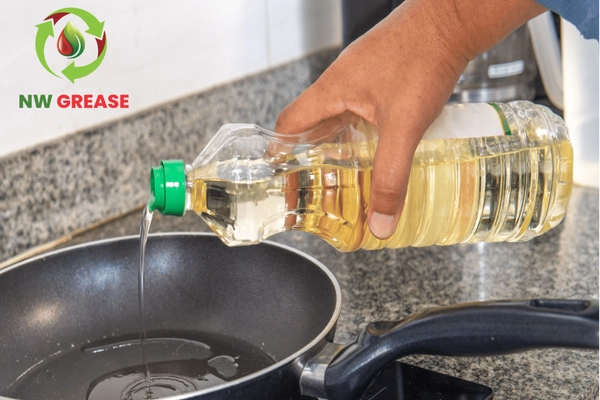
It’s easy to think that a little leftover oil from frying or sautéing won’t do any harm when rinsed away with hot water. Unfortunately, that small action creates big problems not just for your kitchen plumbing but for the entire community.
When you pour used cooking oil down the drain, it doesn’t dissolve or simply “go away.” Instead, it cools and solidifies as it travels through the pipes, clinging to the walls and trapping debris. Over time, this leads to blockages, expensive plumbing repairs, and environmental damage.
Even wastewater treatment plants struggle to remove oil effectively, which means it can end up in rivers, lakes, and oceans, harming wildlife and ecosystems.
What Happens Inside Your Pipes
When oil meets water, it forms a sticky residue. This residue doesn’t mix with water and starts to coat the inside of pipes. Over time, grease builds up and narrows the passageway, causing:
Slow-draining sinks and dishwashers
Unpleasant odors from kitchen drains
Complete blockages that require professional repairs
Overflowing wastewater that can lead to property damage
In cities like Seattle and Portland, “fatbergs” massive clumps of fat, oil, and grease have been found clogging entire sewer systems. These are costly to remove and easily preventable with proper used oil disposal.
Environmental Consequences You Might Not Realize
Beyond plumbing damage, pouring oil into drains impacts the environment. Once in the water system, oil can:
Reduce oxygen levels in water, suffocating fish and aquatic life
Coat plants and soil, preventing natural nutrient absorption
Pollute storm drains, which flow directly into rivers and oceans
In short, your kitchen sink could unintentionally become part of a much larger pollution problem.
If you want to see how used oil can be turned into a force for good, check out how recycling cooking oil matters for the environment.
Safe Alternatives: How to Handle Used Cooking Oil Properly
Instead of pouring oil down the drain, there are safe, easy, and eco-friendly alternatives for disposing of it.
Cool the Oil: Let your used cooking oil cool completely.
Use a Used Cooking Oil Disposal Container: Pour the cooled oil into a sealable, leak-proof container.
Store and Recycle: Once full, take it to a recycling facility or schedule a pickup through a local waste oil collection service.
If you frequently cook with oil, investing in a proper used cooking oil disposal container is one of the simplest and most effective ways to protect your plumbing and the planet.
Benefits of Using a Used Cooking Oil Disposal Container
A disposal container keeps oil from spilling, leaking, or contaminating other waste. Here’s why it’s worth it:
Prevents plumbing blockages and costly repairs
Keeps your kitchen cleaner and odor-free
Supports sustainable waste management
Makes recycling easier and more convenient
Reduces environmental pollution
Many eco-conscious households in the Pacific Northwest now keep a dedicated oil container next to their trash or compost bins it’s a small change that makes a big difference.
How Home Oil Recycling Works
Home oil recycling is a simple but impactful process:
Collection: Used cooking oil is stored in containers until pickup or drop-off.
Transportation: Licensed recycling companies collect the oil safely.
Refinement: The oil is filtered, cleaned, and processed.
Conversion: Finally, it’s turned into biodiesel a renewable fuel source that powers vehicles and reduces greenhouse emissions.
This cycle transforms waste into value and helps cities lower their carbon footprint.
Why Professional Waste Oil Collection Services Matter
For homeowners and restaurants alike, partnering with waste oil collection services ensures that your used oil is handled responsibly.
Professional collectors like NW Grease follow strict safety standards to prevent contamination and maximize the oil’s reuse potential. They also offer scheduled pickups, making the process effortless and sustainable.
By choosing a service instead of DIY disposal, you help create a cleaner community and support renewable fuel initiatives.
How NW Grease Helps Keep Homes and Cities Clean
NW Grease is one of the Pacific Northwest’s trusted partners in used cooking oil recycling. Their team helps both households and restaurants safely dispose of used oil, ensuring none of it ends up in landfills or water systems.
Here’s what sets them apart:
Eco-focused recycling: Every drop of oil is processed for renewable use.
Convenience: Reliable pickups from homes, restaurants, and food trucks.
Compliance: Full adherence to local waste regulations.
Education: Helping residents understand the value of home oil recycling.
When you choose NW Grease, you’re not just keeping your pipes clear you’re contributing to a cleaner environment and a more sustainable energy future.
Final Thoughts
Pouring oil down the drain might seem harmless, but the long-term consequences are anything but. From clogged pipes to polluted waterways, the risks far outweigh the convenience.
Using a used cooking oil disposal container and relying on waste oil collection services like NW Grease are small actions with a massive environmental impact.
Together, we can turn waste into renewable energy and keep Washington and Oregon’s waterways and kitchens clean for generations to come.