The Role of Grease Trap Cleaning in Restaurant Sustainability
Introduction;
The daily flow of a commercial kitchen is fast-paced, high-heat, and intense. Between ticket rushes, food prep, and inventory tracking, restaurant operators must manage a complex network of moving parts to keep their businesses profitable. In this demanding environment, the systems that operate out of sight are often the ones that can cause the most significant disruptions if overlooked.
Among these hidden systems, the grease trap (or grease interceptor) is one of the most critical. It sits beneath sinks or buried under the back parking lot, acting as a silent barrier between your kitchen's waste and the city's water infrastructure.
For decades, managing a grease trap was viewed merely as an unappealing, mandatory maintenance choreca cost of doing business to avoid backup disasters. This approach is changing, however, with the new trend in sustainable practices in modern food services.Maintaining plumbing safety is no longer just a measure for plumbing; it's a key component of sustainable restaurant practices. When combined with programmatic used cooking oil recycling, proper grease trap management prevents infrastructure failures, protects regional watersheds, and supports the green circular economy.
Understanding how a grease trap works, the financial risks of neglecting it, and its connection to environmental sustainability reveals why searching for high-quality grease trap cleaning near me is a critical step for your business's bottom line and the planet.
1. How a Grease Trap Functions
To understand its role in sustainability, it helps to review the basic mechanics of grease interception. A grease trap operates on a simple principle of physics: fats, oils, and grease (FOG) are less dense than water, meaning they float to the top. Conversely, solid food particles are heavier than water and sink to the bottom.
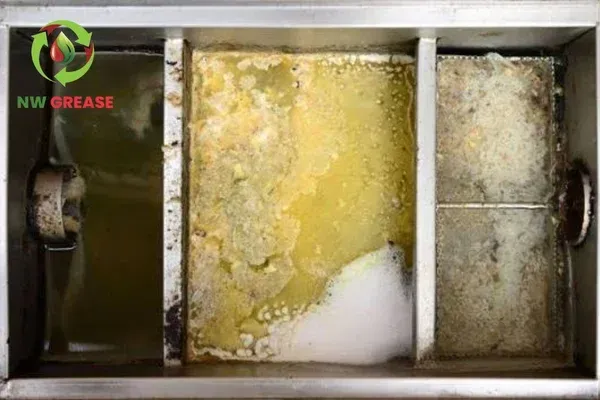
When wastewater from dishwashing stations, prep sinks, and floor drains enters the interceptor, the flow slows down. This delay gives the mixture time to cool and separate into three distinct layers:
The Top Layer: Light fats, oils, and grease that float.
The Bottom Layer: Heavy food solids that settle at the base.
The Middle Layer: Clear water, which is safely discharged into the municipal sewer system.
If a kitchen goes too long without a thorough cleaning, the top grease layer and bottom solid layer expand toward each other, shrinking the middle water zone. When this happens, the trap loses its ability to separate waste effectively, allowing harmful grease to escape directly into public waterways.

2. The Direct Intersection of Grease Interception and Sustainability
When restaurant operators look for ways to make their businesses more sustainable, they often start with obvious changes like installing LED lighting, using compostable takeout packaging, or sourcing local ingredients. While these steps are valuable, ignoring what goes down your drains creates a major gap in any green strategy.
Protecting Regional Water Quality
When a grease trap becomes overwhelmed and fails, grease escapes into the municipal sewer infrastructure. As this material travels down the line, it binds with chemicals and minerals in the wastewater, solidifying into massive blockages known as "fatbergs."
These blockages restrict sewer flow, leading to sanitary sewer overflows (SSOs). When a sewer overflows, untreated wastewater pushes up through manholes, spilling into streets, storm drains, and eventually local rivers, lakes, and coastal bays.
This runoff introduces dangerous pathogens and nutrient pollution into aquatic ecosystems, depleting oxygen levels and harming local wildlife. Keeping your grease trap clean acts as a direct line of defense for your local watershed.
Diverting Waste Into the Circular Economy
The old model of waste management followed a straight line: extract resources, use them, and dump the remains into a landfill or drain. Modern sustainability operates on a circular model, where waste materials are captured and processed into valuable new resources.
The organic material removed during professional grease trap cleanings is no longer simply discarded. Experienced environmental service companies transport this brown grease to specialized anaerobic digestion facilities.
In these controlled environments, microorganisms break down the organic waste, producing methane gas that is captured and converted into clean electricity or renewable natural gas (RNG).
This process prevents harmful greenhouse gases from escaping into the atmosphere while generating clean power for local grids.
Maximizing the Value of Used Cooking Oil
It is helpful to differentiate between the two primary types of kitchen oil waste:
Yellow Grease: Clean, spent fryer oil collected directly from fryers and managed through a dedicated used cooking oil recycling program. This material is highly valuable and easily processed into renewable biodiesel.
Brown Grease: The highly degraded, water-saturated grease captured inside your grease trap.
While yellow grease is easier to convert into biofuel, a contaminated grease trap can ruin your broader recycling efforts. If kitchen drains back up due to an overlooked grease trap, standing water can flood your outdoor oil storage bins.
When water contaminates a yellow grease container, it lowers the material's market value and can disqualify the restaurant from receiving volume rebates. Keeping your grease trap clear protects the integrity of your entire oil recycling system.
3. The Financial and Operational Risks of Neglect
While the environmental benefits of grease management are clear, the financial consequences of skipping routine maintenance provide an immediate reason to take action. Neglecting your grease interceptor can quickly lead to some of the highest operational expenses a restaurant can face.
Emergency Plumbing Invoices and Service Disruptions
A grease backup rarely happens at a convenient time. It typically occurs during a high-volume weekend shift or a busy holiday service when the kitchen is operating at maximum capacity.
When an interceptor fills completely, waste water flows backward up the drain lines, flooding dish stations, prep areas, and kitchen floors with foul-smelling water.
Fixing a major backup requires calling an emergency plumber or specialized pumping service. Emergency service rates during peak hours, nights, or weekends can cost triple the price of a standard visit.
Worse, health codes require kitchens to stop food service immediately if water backs up into prep or washing areas. Closing early means losing thousands of dollars in dinner sales, losing future bookings, and damaging your restaurant's reputation, all while still being responsible for labor and inventory costs.
Municipal Penalties and Surcharges
City utility departments spend millions of dollars every year clearing grease blockages from public sewer mainlines. To recover these costs, municipalities enforce strict FOG (Fats, Oils, and Grease) ordinances.
City inspectors routinely drop by commercial kitchens to inspect grease traps, measure the accumulation layers, and review maintenance logs. If an inspector finds that a trap has exceeded its legal limit (typically when the solids and grease take up more than 25% of the trap's total volume), the penalties can be severe:
Immediate Fines: First-time code violations often carry fines starting at several hundred dollars, which scale up quickly for repeat offenses.
Cost Cost Recovery Bills: If a city crew has to clear a sewer blockage traced directly back to your restaurant's cleanout, the city will bill your business for the full cost of the labor, vacuum trucks, and infrastructure repairs.
Loss of Operating License: In extreme cases, repeat environmental offenders can have their water services disconnected or their business licenses suspended until they install upgraded interceptor equipment.
Odor Issues and Negative Guest Experiences
Solid food waste and oil sitting in a neglected grease trap will naturally decompose over time under anaerobic conditions. This decomposition process releases sour odors, including hydrogen sulfide gas, which smells like rotten eggs.
These odors can easily travel up floor drains, making their way into the kitchen and out into the dining room. No matter how excellent your food or interior design is, a foul plumbing odor will ruin the dining experience, generate negative online reviews, and drive guests away.
Regular cleaning removes this decaying material before it can create odor issues, keeping your dining environment fresh and welcoming.
4. Operational Cost-Benefit Comparison
To clarify the choices available to restaurant operators, this table breaks down the long-term differences between reactive emergency management and proactive, sustainable maintenance.
5. Integrating Grease Management with Wider Green Initiatives
To get the most value out of your sustainability efforts, grease trap maintenance should be integrated with your restaurant's broader environmental programs. Managing your kitchen's waste streams as an interconnected system improves efficiency and reduces costs.
Setting Up a Multi-Tiered Waste Minimization System
An effective kitchen sustainability strategy uses multiple layers of defense to catch waste before it can damage your plumbing or local infrastructure.
At the Scraping Station: Ensure dishwashers use rubber scrapers to remove solid food waste and residual sauces from plates directly into compost or trash bins before rinsing them. This step keeps heavy solids out of the sink lines, reducing the accumulation rate inside your grease trap.
At the Fryer Station: Never pour spent fryer oil down the drain. Train your team to filter used grease into dedicated used cooking oil recycling bins.
At the Grease Interceptor: The grease trap should serve as a final safety net for accidental rinses, not a primary disposal bin for wholesale oil.
This coordinated approach reduces the workload on your grease interceptor, allowing you to stretch the time between professional cleanings while maintaining full compliance with city rules.
Partnering with Responsible Environmental Services
The companies you choose to handle your restaurant's waste streams play an important role in your overall sustainability profile. When looking for professional grease trap services, verify that the vendor follows eco-friendly disposal practices.
A reliable regional provider like NW Grease handles your kitchen waste responsibly, providing clear disposal manifests and using optimized routing to minimize the carbon footprint of their service trucks.
For businesses operating across multiple locations or looking to streamline national waste logistics, partnering with a specialized organization like Start Green Commodities ensures your collected grease is sent directly to advanced processing plants that convert organic waste into clean, renewable energy.
Using certified disposal networks gives you peace of mind that your kitchen bypass products are being repurposed to support a circular economy.
6. How to Establish a Sustainable Grease Management Plan
Transitioning your kitchen to an organized, eco-friendly grease management program can be accomplished through a clear sequence of steps.
1.Identify the Size and Location of Your Interceptor:System Baseline.
Locate all grease traps on your property and review their original design specifications. Determine whether your kitchen uses small, under-sink units or a large outdoor interceptor buried vault-style in the parking area. Knowing the physical volume of your system helps determine how much waste it can safely hold before failing.
2.Calculate Your Optimal Cleaning Schedule:Interval Setup.
Review your kitchen's weekly food volume and frying habits to set an effective maintenance schedule. Small indoor traps typically require cleaning every 2 to 4 weeks, while large outdoor systems are usually pumped out every 90 days. Always make sure your schedule complies with the "25% rule," which requires pumping before grease and solids take up a quarter of the tank's total space.
3.Select a Licensed, Certified Service Specialist:Vendor Alignment.
Research local service providers and look for a partner that guarantees eco-friendly disposal, provides digital compliance logs, and offers flexible scheduling during non-peak hours. Working with a professional service team keeps your restaurant compliant and ensures your kitchen waste is converted into clean bioenergy.
4.Train Kitchen Staff on Best Source Control Practices:Team Alignment.
Hold a brief training session with your line cooks and dishwashing crew. Emphasize that grease must never be poured down sinks, and plate scraping must be done thoroughly before washing. Clear training prevents your grease trap from filling prematurely and minimizes the risk of sudden line blockages.
5.Maintain an Organized File of Maintenance Manifests:Record Keeping.
Keep a dedicated folder or digital drive for all service receipts, pump-out manifests, and cleaning logs. Local health inspectors and city utility officers will ask to see these documents during routine reviews. Keeping organized records proves your commitment to local regulations and protects your business from surprise fines.
7. Troubleshooting Common Grease Trap Issues
Even with an organized maintenance plan, unique kitchen variables can sometimes impact your system's performance. Knowing how to identify and address common grease trap issues early keeps your operation running smoothly.
Managing Seasonal Volume Surges
Many restaurants experience predictable seasonal changes, such as busy holiday dining crowds or high summer patio volume. During these peak periods, the amount of grease entering your drains increases significantly. If you stick strictly to your off-season maintenance schedule, your grease trap can easily overflow.
Work closely with your service provider to adjust your pump-out intervals ahead of seasonal rushes. Increasing cleaning frequency during your busiest months keeps your business fully compliant and prevents unexpected plumbing issues during your highest-revenue weeks.
Managing Chemical Contamination
Using heavy chemical drain cleaners or pouring boiling water down sinks to clear slow lines can actually damage your grease trap's performance. These chemicals can emulsify or liquefy the captured grease layer, forcing it out of the trap and into the city's sewer mains before it has a chance to cool and separate.
Once the emulsified grease travels past your property line, it cools down and solidifies in the public pipes, creating blockages that cities trace directly back to your kitchen cleanout.
To avoid this risk, stick to mechanical line snaking or eco-friendly, enzyme-based drain treatments that break down organic blockages without breaking down the primary grease layer inside your interceptor.
Directing Focus Toward Long-Term Kitchen Health
Balancing profitability with environmental care is one of the defining challenges for modern restaurant operators. Fortunately, some of the most effective solutions don't require changing your core menu or investing in complex kitchen equipment—they simply require managing your waste streams with care.
A proactive approach to grease interceptor maintenance eliminates the root causes of plumbing backups, keeps your kitchen in compliance with local environmental rules, and prevents costly emergency repairs.
When you prioritize regular grease trap care alongside an organized recycling program, you protect your local community's water infrastructure and help convert organic waste into clean, renewable energy.
A truly sustainable food service operation is built on a clean, well-maintained foundation. By investing in routine maintenance, you protect your property's plumbing, improve daily kitchen safety, and build authentic brand value that connects with eco-conscious diners.
To learn more about optimizing your kitchen's waste management systems and improving operational efficiency, read our detailed guide on sustainable waste management. Partnering with an experienced waste management specialist ensures your kitchen stays compliant, protects your infrastructure, and keeps your team focused on delivering an exceptional dining experience.