The Journey of Used Oil: From Your Fryer to the Fuel Tank
Table of Contents
Introduction: Turning Waste into Wonder
Why Used Cooking Oil Matters More Than You Think
Step 1: Collection The First Step in the Used Oil Journey
Step 2: Transportation Moving Toward a Greener Goal
Step 3: Filtration and Refining Where Waste Becomes Worthy
Step 4: Biodiesel Creation Transforming Oil into Eco-Fuel
Step 5: Fueling the Future The Real Impact of Recycled Oil
How Restaurants and Homeowners Contribute
Environmental Impact: Cleaner Air, Greener Earth
Why Ventura Needs Sustainable Oil Recycling
Partnering with NW Grease: A Smart Choice for Sustainability
Final Thoughts: Small Actions, Big Energy
1. Introduction: Turning Waste into Wonder
Every time you fry up crispy fries, golden chicken, or savory onion rings, your kitchen produces something you might not think twice about used cooking oil. But what if that oil could go on a second journey?
Instead of being poured down the drain (which causes major environmental and plumbing issues), it can become something powerful clean, renewable biodiesel fuel.
This is the fascinating story of the used cooking oil recycling process, a behind-the-scenes look at how everyday waste from your fryer becomes a sustainable energy source that powers vehicles, reduces emissions, and supports a greener future for communities like Ventura.
2. Why Used Cooking Oil Matters More Than You Think
Used cooking oil might seem like a simple byproduct, but it’s actually a valuable raw material for eco-fuel production. Across the U.S., millions of gallons of used oil are discarded improperly each year, clogging drains, polluting waterways, and harming wildlife.
Yet, when handled correctly, that same oil can:
Power trucks, buses, and generators through biodiesel creation.
Reduce carbon emissions by up to 85% compared to regular diesel.
Support local economies by creating green jobs in fuel refining and transportation.
So, before you toss that oil, remember it has a journey waiting to happen.
3. Step 1: Collection The First Step in the Used Oil Journey
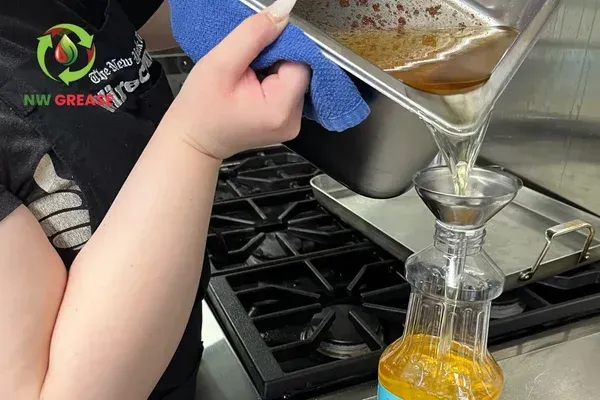
It all begins right after cooking. Once oil has been used multiple times and can no longer safely fry food, it’s time for collection.
At this stage, restaurants and food service providers partner with oil recycling companies like NW Grease, who provide secure containers for storing used oil.
These containers are designed to:
Prevent leaks or spills.
Keep pests and contaminants away.
Store oil safely until pickup day.
The collected oil is then scheduled for transport to a local processing facility. This simple step keeps your kitchen clean and compliant while preventing environmental harm.
Want to see how this process benefits the planet? Check out this detailed post on why recycling cooking oil matters for the environment.
4. Step 2: Transportation Moving Toward a Greener Goal
After collection, NW Grease’s specialized trucks arrive to safely transport the oil. These vehicles are equipped with secure tanks to ensure no contamination or spillage during transit.
The transportation step plays a crucial role in maintaining oil quality. The cleaner and purer the used oil, the more efficient the biodiesel creation process becomes later on.
Moreover, NW Grease ensures that each route is optimized for fuel efficiency, reducing its own carbon footprint while helping others recycle responsibly a win-win for sustainability.
. Step 3: Filtration and Refining Where Waste Becomes Worthy
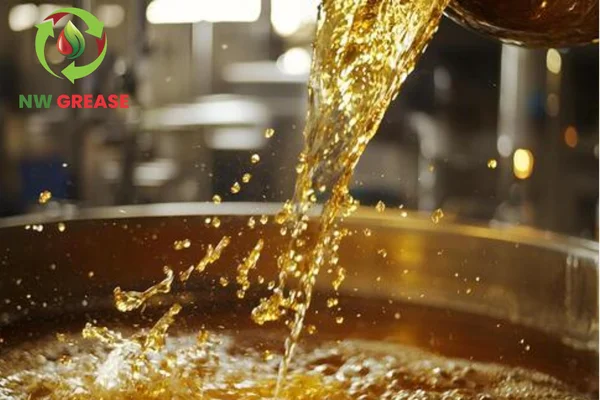
Once the oil reaches the recycling plant, it undergoes a series of filtration and purification steps. This is where the science behind the used cooking oil recycling process shines.
The Filtration Process:
Step 1: Removal of food particles and impurities.
Step 2: Heating the oil to separate water and fats.
Step 3: Filtering out contaminants using specialized equipment.
After this process, the cleaned oil is known as yellow grease the primary ingredient used for eco-fuel production.
This refined material is then ready for the next transformation: turning into biodiesel.
6. Step 4: Biodiesel Creation Transforming Oil into Eco-Fuel
This is where the magic truly happens. Through a process called transesterification, the filtered oil reacts with alcohol (usually methanol) and a catalyst to create biodiesel and glycerin.
Here’s how it works:
Used oil + Alcohol + Catalyst = Chemical reaction.
The reaction separates the mixture into two layers:
Biodiesel (top layer) a clean-burning renewable fuel.
Glycerin (bottom layer) used in soap, cosmetics, and cleaning products.
The biodiesel is then washed, purified, and tested for quality before being sent out as a fully renewable, non-toxic, and biodegradable energy source.
This simple reaction transforms waste into wealth, giving your fryer’s leftovers a new purpose: powering vehicles and reducing carbon emissions.
7. Step 5: Fueling the Future The Real Impact of Recycled Oil
The biodiesel produced from your used oil can be blended with traditional diesel or used on its own. The result? A powerful, cleaner-burning fuel that significantly reduces:
Greenhouse gas emissions.
Air pollution and smog.
Dependence on fossil fuels.
It’s amazing to think that the same oil that once fried your favorite meal can now drive delivery trucks, heat homes, or power farm machinery fueling both the economy and the planet sustainably.
This is the essence of a circular economy where waste becomes a valuable resource.
8. How Restaurants and Homeowners Contribute
Whether you run a restaurant or cook at home, your role in this journey matters.
For Restaurants:
Schedule regular oil pickups with trusted providers like NW Grease.
Store used oil in secure containers.
Train kitchen staff on safe disposal practices.
For Homeowners:
Collect used oil in a clean, sealable container.
Avoid mixing it with other substances.
Drop it off at a local recycling collection point or contact NW Grease for help.
Each gallon recycled reduces pollution and supports local eco-fuel production efforts.
9. Environmental Impact: Cleaner Air, Greener Earth
The impact of used oil recycling reaches far beyond your kitchen. Each gallon of recycled oil can produce nearly a gallon of biodiesel, cutting emissions and conserving resources.
Environmental Benefits Include:
Lower Carbon Footprint: Biodiesel reduces CO₂ emissions by up to 80%.
Cleaner Waterways: Prevents oil from entering drains and contaminating water.
Less Landfill Waste: Keeps oil out of solid waste systems.
Communities like Ventura benefit directly from this effort cleaner air, safer waste management, and a thriving green economy.
10. Why Ventura Needs Sustainable Oil Recycling
Ventura County’s vibrant food scene filled with restaurants, food trucks, and cafes means large volumes of cooking oil are used daily. Without proper recycling systems, that oil could easily become an environmental hazard.
By promoting used oil collection and recycling initiatives, Ventura not only keeps its environment clean but also becomes a hub for green energy innovation.
Start Green Commodities and NW Grease are leading this effort, showing how local businesses can embrace sustainability while still focusing on profitability.
11. Partnering with NW Grease: A Smart Choice for Sustainability
NW Grease takes pride in being a trusted partner for restaurants, commercial kitchens, and homeowners across Washington and Ventura.
By choosing NW Grease, you’re choosing:
Reliable Oil Pickup Scheduling: No mess, no stress.
Eco-Friendly Recycling: 100% of collected oil is converted into renewable fuel.
Compliance Support: Meet all local environmental regulations easily.
Sustainability Reporting: Demonstrate your green commitment to customers.
NW Grease doesn’t just collect oil it empowers communities to make a lasting environmental impact.
12. Final Thoughts: Small Actions, Big Energy
The next time you fry up a meal, think about where that oil could go next. What was once kitchen waste can now fuel delivery trucks, heat homes, and drive sustainability forward.
This used oil journey isn’t just a recycling process it’s a story of transformation, responsibility, and innovation.
With partners like NW Grease, every drop of oil contributes to a cleaner, greener planet proving that sustainable choices can start right in your kitchen.