How AI Is Improving Waste Oil Collection & Recycling in the U.S.
Table of Contents
Understanding Waste Oil Challenges in the U.S.
What Is AI in Waste Management?
The Role of AI in Used Cooking Oil Recycling
Smart Collection Systems and IoT Integration
Predictive Analytics for Efficient Pickups
AI and Grease Trap Cleaning Optimization
Cost Savings and Operational Efficiency
Environmental Impact and Sustainability
Real-World Applications in the U.S.
Choosing the Right AI-Driven Recycling Partner
Future Trends in Oil Recycling Technology
Final Thoughts
Understanding Waste Oil Challenges in the U.S.
Restaurants across the U.S. generate millions of gallons of used cooking oil every year. While this oil can be recycled into biodiesel and other products, managing it efficiently has always been a challenge.
Common issues include:
Irregular pickup schedules
Overflowing storage containers
Theft of used oil
Poor tracking of waste volumes
Inefficient grease trap cleaning routines
For busy kitchens, these problems can quickly escalate into operational disruptions and financial losses.
That’s where AI steps in.
What Is AI in Waste Management?
Artificial Intelligence in waste management refers to the use of algorithms, sensors, and data analytics to automate and optimize waste collection, processing, and recycling.
In the context of used cooking oil recycling, AI helps:
Monitor oil levels in real-time
Predict when containers will be full
Optimize collection routes
Analyze usage patterns
Improve overall efficiency
Instead of reacting to problems, restaurants can now prevent them before they happen.
The Role of AI in Used Cooking Oil Recycling
AI is revolutionizing Restaurant Cooking Oil Recycling by making the entire process smarter and more streamlined.
Key Improvements Include:
1. Real-Time Monitoring
Smart sensors installed in oil containers track fill levels and temperature, sending data directly to cloud systems.
2. Automated Alerts
When oil reaches a certain level, AI systems notify collection teams automatically—no more guesswork.
3. Data-Driven Decisions
Restaurants gain insights into how much oil they use, waste, and recycle, allowing better planning and cost control.
Smart Collection Systems and IoT Integration
One of the most exciting developments is the combination of AI with the Internet of Things (IoT).
How It Works:
Sensors are placed in oil storage units
Data is transmitted in real-time
AI analyzes patterns and predicts needs
Collection routes are optimized automatically
This means fewer unnecessary trips and no more missed pickups.
For high-volume restaurants, this translates to:
Cleaner storage areas
Reduced overflow risks
Improved staff productivity
Predictive Analytics for Efficient Pickups
Traditional oil collection operates on fixed schedules but kitchens don’t always follow predictable patterns.
AI changes that.
Benefits of Predictive Analytics:
Pickup schedules adjust based on actual usage
High-demand periods are anticipated
Waste overflow is prevented
Transportation costs are reduced
This level of efficiency is especially valuable for chains and franchises handling large quantities of oil daily.
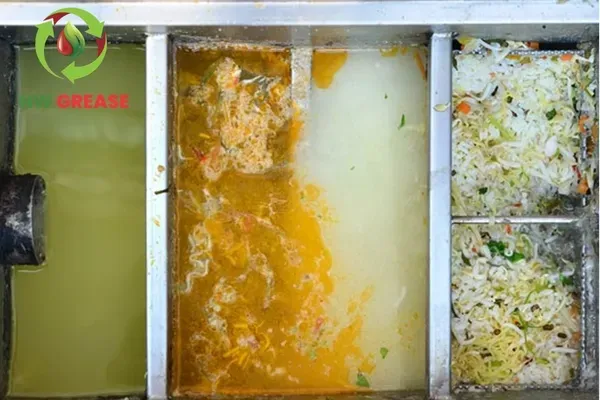
AI and Grease Trap Cleaning Optimization
AI isn’t just improving oil collection it’s also transforming grease trap cleaning.
The Problem:
Grease traps often get cleaned either too frequently (wasting money) or too late (causing blockages and odors).
The AI Solution:
Sensors monitor grease levels inside traps
AI predicts when cleaning is actually needed
Service schedules are optimized automatically
The Result:
Fewer plumbing issues
Lower maintenance costs
Better compliance with regulations
When combined with used cooking oil recycling, this creates a fully optimized waste management system.
Cost Savings and Operational Efficiency
One of the biggest advantages of AI in Restaurant Cooking Oil Recycling is cost reduction.
Where Restaurants Save Money:
1. Reduced Labor Costs
Automation minimizes manual tracking and management tasks.
2. Lower Maintenance Expenses
Preventative systems reduce plumbing and equipment damage.
3. Optimized Logistics
Efficient routes lower fuel and transportation costs.
4. Increased Revenue Opportunities
Better tracking ensures restaurants get fair value for their recycled oil.
Environmental Impact and Sustainability
AI-driven used cooking oil recycling plays a major role in sustainability efforts.
Environmental Benefits:
Less oil waste entering landfills
Reduced water contamination
Lower carbon emissions from optimized transport
Increased production of renewable fuels like biodiesel
Restaurants using AI-powered systems can significantly reduce their environmental footprint something modern customers truly value.
Real-World Applications in the U.S.
Across the U.S., many waste management companies are already using AI to improve oil recycling services.
Examples Include:
Smart bins that notify collectors when full
AI-powered route planning for faster pickups
Digital dashboards for restaurants to track recycling data
These innovations are helping restaurants operate more efficiently while contributing to a cleaner environment.
Enhancing Transparency and Accountability
AI systems provide detailed reporting and tracking, which benefits both restaurants and recycling companies.
Key Features:
Digital logs of oil collection
Real-time tracking of recycling volumes
Automated compliance reports
This transparency builds trust and ensures that all parties meet regulatory requirements.
Choosing the Right AI-Driven Recycling Partner
Not all service providers offer advanced AI solutions, so choosing the right partner is critical.
What to Look For:
Smart monitoring systems
Reliable and flexible pickup schedules
Transparent reporting tools
Strong reputation in used cooking oil recycling
The Role of Automation in High-Volume Restaurants
For high-volume kitchens, automation isn’t just convenient it’s necessary.
AI helps by:
Eliminating manual errors
Ensuring consistent processes
Reducing staff workload
Improving overall kitchen efficiency
This allows restaurant teams to focus more on food quality and customer service.
Addressing Common Concerns About AI
“Is AI too expensive?”
There might be initial expenditure but the savings may be more than the investment in the long term.
“Is it difficult to implement?”
The majority of the modern systems are easy to use and need the least level of training.
“Will it replace staff?”
AI supports staff by handling repetitive tasks it doesn’t replace human roles.
Future Trends in Oil Recycling Technology
This is rendering Restaurant Cooking Oil Recycling even higher in future.
What’s Coming Next:
AI-powered fraud detection to prevent oil theft
Blockchain integration for transparent tracking
Advanced analytics for sustainability reporting
Fully automated waste management systems
These innovations will continue to improve efficiency, profitability, and environmental impact.
Why Restaurants Can’t Ignore AI in Oil Recycling
In today’s competitive market, restaurants must adapt to stay ahead.
Ignoring AI-driven solutions means:
Higher operational costs
Increased risk of compliance issues
Missed opportunities for efficiency and sustainability
On the other hand, adopting AI-powered used cooking oil recycling ensures:
Smarter operations
Better resource management
Stronger brand reputation
Final Thoughts
AI is no longer a futuristic concept it’s a practical tool that’s transforming the restaurant industry right now.
By integrating AI into used cooking oil recycling, restaurants can streamline operations, reduce costs, and improve sustainability efforts. When combined with optimized grease trap cleaning, the result is a cleaner, safer, and more efficient kitchen environment.
For high-volume restaurants in the U.S., this isn’t just an upgrade it’s the future of waste management.