Best Local Services for Cooking Oil Recycling & Grease Trap Cleaning
Introduction:
In a commercial kitchen, the speed of your workflow directly depends on one thing: how efficiently your drains move water, grease, and food waste out of your workspace. When drains slow down, kitchens slow down. When drains clog, kitchens stop.
This is why grease trap cleaning is not just a “maintenance task” it is a strategic, cost-saving, compliance-focused step that protects your entire operation.
Unfortunately, many restaurants still treat grease trap cleaning as a last-minute fix instead of an essential part of their drain health plan. And the result?
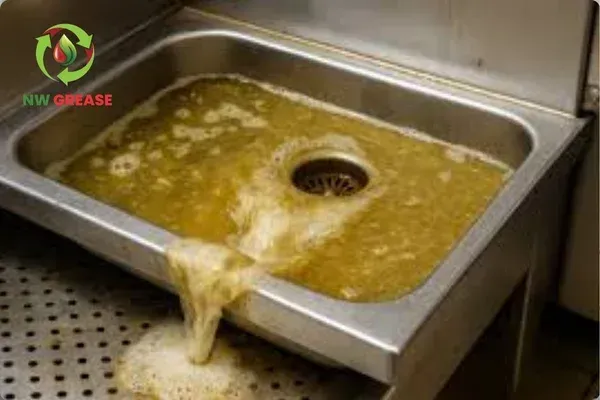
Slow or standing water in sinks
Overflows during peak hours
Smelly kitchens
Emergency plumber bills in the thousands
Health inspection violations
Pipe corrosion and permanent damage
But here’s the good news: Routine grease trap cleaning is the single most effective way to improve drain efficiency, extend the life of your plumbing system, and maintain compliance with local regulations.
This guide breaks down why grease traps matter, how they affect your drains, how to clean drains correctly, and how commercial plumbing maintenance ties it all together. It’s long, detailed, and practical built for restaurant owners, kitchen managers, chefs, and facility teams.
Let’s dive in.
1. Understanding How Grease Traps Protect Your Drains
Before we talk about cleaning them, you need to understand what grease traps actually do.
A grease trap is designed to intercept:
Fats
Oils
Grease (FOG)
Food particles
Residues
Instead of allowing them to flow into your drain lines.
When FOG is allowed into your plumbing system, it cools, hardens, and sticks to pipe walls. Over time, this creates a thick, waxy, cement-like buildup that slows drain flow and eventually clogs the main sewer line. This is why drain efficiency is directly tied to how well your grease trap is maintained.
Without a functioning grease trap:
Every rinse
Every washdown
Every spray-off
Every dish cycle
… pushes more grease into your pipes.
And once grease binds with food waste and minerals, it becomes nearly impossible to remove without high-pressure jetting.
Your grease trap is your first line of defense and the most important.
2. Why Grease Trap Cleaning Is Essential for Drain Efficiency
Grease traps are not self-cleaning. As they capture FOG, they slowly fill up.
When a trap is overloaded:
Grease bypasses into the drain lines
Solids accumulate
Flow slows down
Pressure builds
This is when drains start gurgling, bubbling, backing up, or draining slowly.
2.1. How a Dirty Grease Trap Causes Drain Slowdowns
If you’ve ever wondered why your kitchen sinks drain slower even though you just cleaned the surface drains, the answer is usually this:
Your grease trap is full.
Here’s what happens inside a neglected trap:
FOG floats to the top
Food solids sink to the bottom
Water tries to pass through the narrow space in between
Layers get thicker
Waterflow gets restricted
Drains slow down or stop completely
This process happens quietly most restaurant owners never look inside the trap, so they don’t notice the gradual decline in capacity.
2.2. Grease Backup → Pipe Blockage → Full System Failure
Once grease starts slipping into your main drain line, it sticks to the pipe walls and begins narrowing the flow path.
Eventually, these problems follow:
Food grinders stop working
Dishwashers fail to drain
Floor sinks overflow
Prep sinks bubble up
Odors fill the kitchen
Raw sewage backs up
This is the nightmare scenario all kitchen operators fear and it all starts with an overloaded grease trap.
3. How to Clean Drains the Right Way (And Why Grease Trap Cleaning Comes First)
Your keyword “how to clean drains” fits perfectly here.
A lot of commercial kitchens try to fix drain problems using:
Store-bought chemical cleaners
Boiling water
Vinegar
Baking soda
Hot oil flushes
Staff with plungers
Wet vacs
Not only are these ineffective long-term solutions they can actually damage your plumbing.
3.1. The Right Way to Clean Drains in a Commercial Kitchen
A proper commercial drain cleaning process includes:
Removing surface debris
Screens, strainers, and drain guards must be cleaned daily.Manual clearing of drain baskets
Most staff skip this step, but it’s essential.Deep cleaning with enzyme cleaners
Enzymes break down grease molecules safely.Periodic hydro-jetting
This removes hardened grease, mineral scale, and food sludge.Grease trap maintenance first
If you attempt to clean drains while your trap is full, FOG will immediately flow back into the pipes.
This is why grease trap cleaning must be done before any serious drain cleaning.
3.2. Why DIY Drain Cleaning Fails in Commercial Kitchens
DIY drain methods don’t work in restaurants because:
The volume of grease is too high
Grease binds differently under high heat
Food waste creates compact clogging
Lines run longer distances
Equipment like dishwashers push more pressure
Chemical drain cleaners are especially dangerous, as they corrode pipes, destroy biological systems in grease traps, and violate code in many regions.
Professional drain cleaning paired with routine grease trap maintenance is the only long-term solution.
4. The Hidden Culprit: Grease Buildup from Grills & Cooking Equipment
Your keyword grease buildup removal grill ties directly into drain problems.
Grease from grills usually ends up in drains through:
Grease tray cleaning
Hood filter washing
Grill plate scrubbing
Floor cleaning under cooking lines
Drip trays emptied into sinks
When grilling areas aren’t professionally degreased, thick, carbonized buildup ends up traveling to the sink and into the trap.
4.1. How Grill Grease Contributes to Drain Clogging
Grill grease is different from fryer oil:
It hardens faster
It contains char and proteins
It sticks to pipe walls more aggressively
It becomes sludge when mixed with water
It clogs traps faster
Professional grease buildup removal for grills massively reduces the amount of grease entering your drainage system.
4.2. Grill Cleaning + Grease Trap Cleaning = Top Drain Efficiency
When both systems are maintained:
Less grease enters pipes
Grease trap fills slower
Drains stay clear longer
Hydro-jetting becomes less frequent
Backups become rare
This is why smart restaurant operators treat grill cleaning as part of the plumbing protection plan not just an equipment maintenance task.
5. The Role of Commercial Plumbing Maintenance in Drain Health
Your keyword commercial plumbing maintenance is essential here.
Grease trap cleaning is only one part of a complete plumbing health strategy.
A commercial kitchen needs:
Scheduled trap pumping
Hydro-jetting
Pipe descaling
Backflow testing
Floor drain cleaning
Dishwasher line clearing
Grease line inspections
Sewer line camera inspections
Together, these tasks keep drains running at full capacity.
5.1. Why Commercial Plumbing Maintenance Must Be Regular (Not Reactive)
A kitchen cannot afford:
Overflowing sinks
Flooded prep areas
Dishwasher failures
Floor drain backups
Raw sewage exposure
Shutdowns during peak hours
These issues cost restaurants:
Customer dissatisfaction
Staff safety hazards
Lost revenue
Compliance penalties
Routine maintenance keeps emergencies from happening.
5.2. Local Plumbing Teams Understand Restaurant Needs Better
An important point: Local providers respond faster.
Working with companies specializing in foodservice plumbing ensures:
Faster emergency response
Knowledge of local grease regulations
Proper waste handling practices
Familiarity with your type of equipment
Affordable and transparent pricing
For example, many kitchens rely on local waste service companies such as Kernuco, which specialize in safe handling of commercial kitchen waste, used cooking oil, and grease systems. Working with experts who understand the local market always delivers better results.
6. How Routine Grease Trap Cleaning Improves Drain Efficiency
Let’s summarize the direct relationship between trap cleaning and drain performance:
1. It prevents FOG from entering the drain lines
Cleaner trap = cleaner pipes.
2. It improves overall water flow
No restrictions → faster draining.
3. It stops back pressure
Back pressure leads to bubbling sinks and foul smells.
4. It reduces solids entering pipes
Solids contribute to massive clogs.
5. It extends the lifespan of drain lines
Less corrosion, less scaling, fewer repairs.
6. It eliminates odor-causing bacteria
Smells come from decomposing organic waste.
7. It stops emergency plumbing events
Most emergency drain calls begin with a neglected grease trap.
This is why trap cleaning should be treated as a top maintenance priority.
7. Best Practices for Maintaining Drain Efficiency Long-Term
To keep your drains running at peak performance, combine these strategies.
7.1. Stick to a Grease Trap Schedule
Most commercial kitchens should pump their trap:
Every 30 days for busy restaurants
Every 60 days for medium-volume kitchens
Every 90 days for low-volume facilities
Skipping pumping leads to backups faster than you think.
7.2. Train Staff on Proper FOG Disposal
Employees should NEVER:
Dump fryer oil into sinks
Rinse grill trays into drains
Pour soups with oils into floor sinks
Wash hood filters in dish sinks
Improper disposal puts immediate strain on your plumbing.
For staff education, check out resources like this guide on restaurant grease waste best practices:
7.3. Schedule Routine Hydro-Jetting
Jetting removes:
Hardened grease
Eggshells
Flour paste
Starches
Soap cement
Calcium buildup
Hydro-jetting keeps pipes near original diameter.
7.4. Implement Grill Degreasing
Grease buildup removal for grills reduces overall FOG entering drain lines and prolongs trap functionality.
7.5. Keep Drain Screens in Place
Drain screens catch:
Rice
Coffee grounds
Spice sediment
Vegetable scraps
Pasta starch
Small particles are the biggest clogging culprits.
7.6. Maintain Floor Drains Weekly
Floor drains collect:
Mop water grease
Food debris
Dirt
Oils tracked from the cook line
Cleaning them weekly prevents blockages and odors.
8. Final Thoughts: Grease Trap Cleaning Is the Key to a High-Efficiency Kitchen
At the end of the day, your grease trap determines how well your drains function.
If your trap is clean:
Your drains stay clear
Your plumbing lasts longer
Your kitchen runs smoother
Your equipment performs better
Your staff works faster
Your business stays compliant
And if your trap is dirty?
Everything falls apart.
Grease trap cleaning is not a “nice-to-have” it’s a core operational requirement that improves drain efficiency, reduces emergencies, eliminates odors, and protects your entire plumbing system.
For restaurants that want to stay ahead, combining:
Grease trap pumping
Drain cleaning
Grill degreasing
Commercial plumbing maintenance
…is the ultimate recipe for reliability and performance.
Your drains deserve the same attention as your food, your equipment, and your customers because a kitchen is only as efficient as the system that keeps it clean and flowing.