What Is “Yellow Grease” and Why It Matters for Recycling
What Exactly Is Yellow Grease?
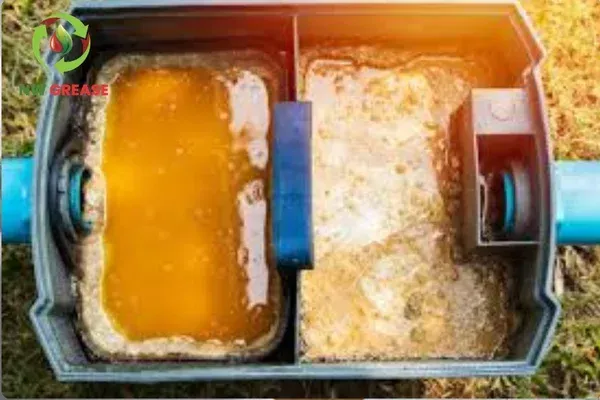
Yellow grease is used cooking oil that has been collected from deep fryers, griddles, and food prep areas in restaurants and commercial kitchens. It’s typically composed of:
Used vegetable oils
Animal fats
Fryer oil residues
Minimal food particles
Unlike brown grease, which comes from grease traps and contains wastewater and heavy contaminants, yellow grease is clean enough to be recycled into valuable new products.
Why the Name “Yellow Grease”?
The name originates from:
The natural golden/yellowish color of used cooking oil after frying
Its distinction from darker, sludgier grease trap waste
Yellow grease is the most recyclable type of restaurant oil waste, and it is a primary raw material for the biofuel and oleochemical industries.
Why Yellow Grease Matters in Modern Restaurant Grease Waste Management
For years, restaurant owners considered used cooking oil a nuisance something messy, smelly, and time-consuming to dispose of. But with modern recycling systems, yellow grease has become an asset rather than a liability.
Restaurant grease waste management today focuses heavily on:
Reducing kitchen waste
Avoiding drainage issues
Maintaining compliance with environmental regulations
Reducing operational costs
Turning waste into profit through recycling programs
Yellow grease plays a central role in all of these objectives.
The Rise of Sustainable Cooking Oil Recycling
With sustainability becoming a top priority in the foodservice industry, restaurants now face stronger expectations to:
Recycle all used cooking oil
Keep grease out of waterways
Prevent sewer clogs
Reduce carbon footprints
Support circular economy initiatives
Recycling yellow grease helps businesses meet these goals while also creating new revenue streams from oil rebates.
How Yellow Grease Is Produced in Restaurants
Every commercial kitchen naturally generates yellow grease through everyday operations. It comes from:
1. Frying and Deep Frying
Foods like chicken wings, fries, donuts, tempura, and breaded items release small amounts of moisture and particles into the oil, producing recyclable yellow grease.
2. Sautéing and Griddling
Grills and flat-tops accumulate small amounts of oils and fats that, once filtered and collected, contribute to yellow grease.
3. Food Prep Processes
Food production facilities that work with:
Baked goods
Pre-cooked foods
Fried snacks
Snack mixes
…also generate a significant volume of recyclable oil.
4. Rendering Food Residues
Restaurants that handle meat trimmings or rotisserie drippings often collect fats that fall under yellow grease standards.
The key distinction is cleanliness: yellow grease is valuable only when free from trash, wastewater, and heavy solids.
Yellow Grease vs. Brown Grease: What’s the Difference?
Most restaurant operators hear the term “grease” and assume it’s all the same but yellow grease and brown grease serve very different purposes.
Yellow Grease
Comes from fryers and cooking equipment
Clean enough to recycle
High market value
Used for biodiesel, renewable fuel, and animal feed
Brown Grease
Comes from grease traps
Mixed with wastewater
Contains heavy contaminants
Difficult and costly to recycle
Typically disposed of in special facilities
In a proper restaurant grease waste management system, these two streams of waste are kept completely separate. Mixing them destroys their value and may cause compliance issues.
Why Yellow Grease Recycling Is So Important for Restaurants
It’s easy to underestimate how significant yellow grease can be. But the impact is huge financially, environmentally, and operationally.
Here’s why every commercial kitchen needs to recycle used cooking oil responsibly:
1. Yellow Grease Helps Prevent Costly Plumbing Issues
Pouring used oil down the drain is one of the fastest ways to cause:
Sewer line blockages
Clogged restaurant drains
Overflowing grease traps
Odors and backup issues
These restaurant drainage issues can cost thousands of dollars. Recycling yellow grease eliminates this risk entirely.
2. It Keeps Restaurants Compliant With Local Regulations
Most states enforce strict environmental laws around FOG disposal. Restaurants must:
Properly store used cooking oil
Maintain sealed collection containers
Work with a licensed recycling provider
Failing to follow regulations can lead to fines ranging from $500 to over $10,000 depending on location.
3. Recycling Yellow Grease Reduces Waste and Supports Sustainability
Recycling converts used oil into new resources rather than sending it to landfills. This supports:
Local sustainability initiatives
Corporate responsibility goals
Reduced carbon emissions
Renewable energy development
It’s also an excellent way for restaurants to market themselves as eco-friendly establishments.
4. Restaurants Can Earn Money From Recycled Cooking Oil
Used oil has value and that value fluctuates based on global commodity markets. Restaurants can earn rebates through consistent oil recycling programs.
This means:
Your waste literally becomes revenue.
The more oil you use, the more value you generate.
Regular pickups ensure maximum returns.
5. Recycling Supports Renewable Biodiesel Production
One of the biggest recycled cooking oil uses is converting yellow grease into biodiesel. Biodiesel burns cleaner than petroleum-based diesel and produces fewer greenhouse gases.
Today, yellow grease is a key ingredient powering:
Commercial trucks
Public transportation fleets
Agricultural vehicles
Industrial machinery
Restaurants who recycle contribute directly to clean energy production.
Top Uses of Recycled Yellow Grease
Recycled yellow grease has a surprising number of high-value applications. The most common include:
1. Biodiesel & Renewable Diesel
This is the largest and fastest-growing use of recycled yellow grease. Renewable fuels made from cooking oil significantly reduce emissions and contribute to greener energy systems.
2. Animal Feed Production
Processed yellow grease becomes a nutrient-rich additive in livestock feed, especially for poultry and swine.
3. Industrial Lubricants & Chemicals
Yellow grease is a base ingredient for:
Soaps
Detergents
Rubber products
Paints
Industrial greases
4. Compost & Agricultural Products
Some agricultural applications use processed yellow grease as an energy source.
5. Cosmetics & Personal Care Products
Believe it or not, refined yellow grease can be used in:
Makeup
Skincare products
Haircare items
(It’s heavily refined, of course!)
How Yellow Grease Is Collected From Commercial Kitchens
To keep the recycling stream pure, restaurants must follow best practices for oil storage and collection.
Here’s how yellow grease collection works:
1. Safe Storage in Designated Containers
Restaurants store used cooking oil in:
Outdoor tanks
Mobile oil bins
Sealed steel containers
Indoor collection systems
The most important rule: never mix food waste or water with the oil.
2. Scheduled Used Oil Pickup Services
A licensed recycling company like NW Grease picks up the oil on a scheduled basis. For reliable service, restaurants can use the internal link below:
➡️ Learn about reliable used oil pickup service here:
Used Oil Pickup Service
3. Transport to a Recycling Facility
Once collected, the oil goes through:
Filtering
Heating
Dehydration
Chemical processing
Purification
…depending on its final use.
4. Refining and Market Distribution
After processing, yellow grease becomes a versatile raw material sold to:
Biofuel producers
Animal feed manufacturers
Chemical plants
Cosmetic companies
How to Properly Manage Yellow Grease in Your Restaurant
If you want to improve your restaurant grease waste management, follow these best practices:
1. Use High-Quality Fryer Oil
Better oil = better yellow grease = more recycling value.
2. Filter Your Fryer Oil Regularly
Filtering extends oil life and improves recycling quality.
3. Never Pour Oil Down the Drain
This is the #1 cause of restaurant drainage issues and one of the most common mistakes kitchens still make.
4. Keep Oil Storage Areas Clean
Avoid spills, contamination, and unwanted smells by ensuring proper handling.
5. Schedule Regular Oil Pickups
Routine service keeps your operations clean and ensures maximum value for your used oil.
6. Work With a Trusted Partner
NW Grease specializes in reliable, eco-friendly yellow grease recycling.
Environmental Benefits of Yellow Grease Recycling
Recycling yellow grease helps the environment in several powerful ways:
Reduces landfill waste
Prevents sewer blockages
Reduces greenhouse gases
Supports sustainable fuel production
Protects waterways
Restaurants that recycle demonstrate leadership in eco-friendly operations.
For more sustainability benefits, check out this resource:
➡️ Benefits of Clean Kitchen Practices
How Yellow Grease Helps Commercial Kitchens Save Money
Beyond sustainability, yellow grease recycling also reduces operational costs by:
Preventing fat-related plumbing repairs
Reducing grease trap pumping frequency
Lowering waste disposal fees
Providing oil rebate payments
Protecting equipment like fryers and pipes
This is why oil recycling is one of the smartest financial decisions a restaurant can make.
Why Partner With NW Grease for Yellow Grease Management
NW Grease provides:
Fast & reliable oil collection
Clean, sealed storage containers
Guaranteed recycling compliance
Transparent reporting
Eco-friendly disposal
Professional customer service
We specialize in seamless used oil pickup that keeps your restaurant clean, safe, and compliant while helping you turn waste into measurable value.
Final Thoughts: Yellow Grease Is More Valuable Than Ever
Yellow grease may seem like waste at first glance, but in today’s world it’s an incredibly valuable resource. Restaurants that recycle their used oil help:
Support renewable energy
Reduce environmental impact
Minimize plumbing issues
Maintain regulatory compliance
Earn rebates
Streamline operations
If your commercial kitchen wants to upgrade its restaurant grease waste management, reduce risks, and run a cleaner, more sustainable operation, yellow grease recycling is the way to go.