Signs Your Grease Trap Cleaning Is Overdue
Table of Contents
Why Grease Trap Maintenance Should Never Be Ignored
Understanding How a Grease Trap Works
Early Grease Trap Warning Signs You Shouldn’t Ignore
Major Red Flags That Indicate Immediate Cleaning
Restaurant Grease Trap Overflow: Why It Happens
Hidden Dangers of a Clogged Grease Trap
How Often Should You Clean Your Grease Trap?
How Overdue Maintenance Affects Your Kitchen Staff, Customers & Compliance
Best Practices to Prevent Overdue Cleaning
Choosing the Right Grease Trap Cleaning Partner
Final Thoughts
Signs Your Grease Trap Cleaning Is Overdue
If you run a restaurant, café, food truck, hotel, or any kind of commercial kitchen, you already know how crucial smooth operations are. But there’s one silent system that does a lot of the dirty work behind the scenes your grease trap.
When it’s functioning properly, your grease trap prevents fats, oils, and grease (FOG) from entering your drains and sewer lines. But when it’s ignored?
You’re only a few shifts away from slow drainage, foul smells, customer complaints, health code violations, and even a full-blown restaurant grease trap overflow.
Restaurant owners often underestimate how quickly grease traps can fill up. And because they’re out of sight, they’re usually out of mind until it’s too late.
This long-form guide walks you through all the grease trap warning signs, early red flags, risks of neglect, and how to avoid the operational disasters caused by overdue cleaning.
Why Grease Trap Maintenance Should Never Be Ignored
An oily grease trap runs your kitchen well. But an overdue cleaning can create:
Drain blockages
Backups into sinks or floor drains
Awful odors
Severe kitchen downtime
Plumbing repairs costing thousands
Health department violations
Environmental penalties
Customer complaints and bad reviews
And in the worst case, a restaurant grease trap overflow, which can flood your kitchen with contaminated wastewater and FOG.
Proper maintenance is more than compliance it’s about protecting your business, your staff, your customers, and your reputation.
If you want to understand how grease waste impacts your entire kitchen, check out this helpful internal resource:
👉 Restaurant Grease Waste Management Guide
Understanding How a Grease Trap Works
To recognize when your grease trap needs cleaning, it helps to understand what’s happening inside it.
A grease trap operates through a simple but highly effective process:
Hot wastewater flows from your sink or dishwasher into the trap.
As the water cools, FOG separates and floats to the top.
Food solids sink to the bottom.
Cleaner water exits through the outlet pipe and into your plumbing.
Over time, grease and solids build up requiring regular pumping.
The trap can only hold a limited amount of grease before it stops functioning. Once it becomes overloaded, problems start appearing quickly.
Early Grease Trap Warning Signs You Shouldn’t Ignore
Most restaurant owners don’t realize their grease trap is overdue until something goes wrong. But your system actually gives out early signs long before a crisis happens.
Below are the subtle but significant symptoms of a clogged grease trap.
1. Slow Draining Sinks
If your sinks take longer to drain especially during busy hours it’s a clear sign that FOG is blocking water flow inside the trap or drain lines.
Slow drains don’t fix themselves. This is your first warning that your system is overdue for cleaning.
2. Foul or Sour Odors
A strong, unpleasant smell near:
The sink
The dishwashing area
Floor drains
The grease trap itself
…means decomposing grease and food waste have accumulated.
These odors can spread to the dining area, creating a terrible customer experience. This is one of the strongest and earliest grease trap warning signs.
3. Gurgling Sounds in Drains
If you hear gurgling, bubbling, or “blurb” noises from your sink or floor drains, grease buildup is restricting air flow in the drainage system.
This symptom usually appears before a clog becomes severe.
4. Increased Pest Activity
Flies, fruit flies, roaches, and other pests are attracted to the organic waste trapped inside a neglected grease trap.
If you notice a sudden spike in pests around your dish area, it’s time to check your trap.
5. Grease or FOG Smearing Around Sink Drains
Sticky residue around sink drains or under counters indicates that FOG isn’t being captured properly by the trap and is reverting back into your drainage system.
This is an early red flag of a clogged grease trap.
Major Red Flags That Indicate Immediate Cleaning
While early signs are manageable, the following symptoms mean your restaurant is on the brink of a serious plumbing emergency.
1. Standing Water Around Sinks or Floor Drains
Water pooling around sinks or drains is a sign that wastewater cannot pass through the trap because it is completely blocked.
This is an emergency.
2. Visible Grease Floating on Surfaces or Inside Equipment
If you notice:
Grease floating in the sink
Grease around drain openings
Grease pooling in floor drains
…your system is dangerously overloaded.
3. Backflow or Drainage Reversal
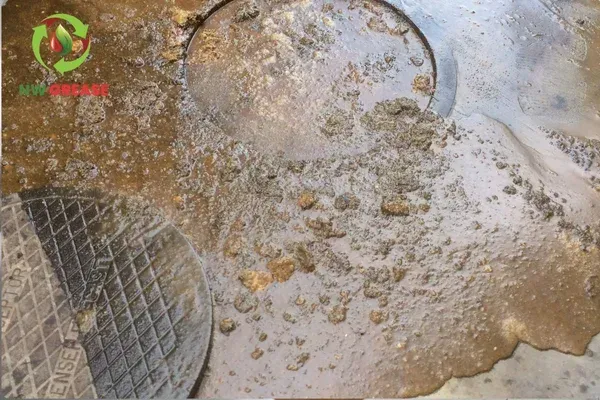
When water starts flowing backwards from the drain, you’re moments away from a restaurant grease trap overflow one of the costliest disasters a kitchen can face.
4. Thick Grease Layers Inside the Trap
If you open the trap (or your technician does) and see a thick FOG layer taking up more than 25% of the trap’s volume, it must be cleaned immediately.
Many cities legally require cleaning once the trap hits this threshold.
Restaurant Grease Trap Overflow: Why It Happens
A grease trap overflow occurs when wastewater, grease, and solids exceed the trap’s capacity and spill out either into the kitchen or outside near an interceptor.
This typically happens because:
The trap hasn’t been cleaned in months
Food solids have hardened and blocked the inlet
Grease has clogged outlet lines
Staff has been dumping hot oils down the drain
High-volume restaurants produce more FOG than expected
A mechanic component is damaged (gasket, baffle, seal)
The result?
A toxic, smelly, expensive mess that can shut down your kitchen instantly.
Cleanup alone can cost thousands and that doesn’t include plumbing repairs, lost revenue, or fines.
Hidden Dangers of a Clogged Grease Trap
Many restaurant owners are surprised to learn that overdue maintenance leads to risks far beyond slow drains.
Here are the deeper dangers of neglect.
1. Severe Pipe Damage
Grease solidifies as it cools. Over time, it sticks to pipes, causing:
Blockages
Corrosion
Cracks
Complete sewer line failure
Replacing a main sewer line can cost $5,000 to $25,000.
2. Health Department Violations
Odors, backups, and visible grease waste are automatic violations.
Failing an inspection can result in:
Warning letters
Fines
Mandatory shutdowns
Repeat inspections
3. Contaminated Kitchen Environment
FOG attracts bacteria. Overdue cleaning increases risk of:
Mold
Mildew
Pathogen growth
Hazardous wastewater exposure
4. Higher Operational Costs
Emergency plumbing visits cost significantly more than scheduled maintenance.
Plus, downtime = lost revenue.
5. Environmental Penalties
Overflowing grease traps can release FOG into local sewer systems. Environmental agencies can issue expensive fines sometimes in the thousands.
If you’d like to explore the environmental benefits of maintaining a clean kitchen environment, here’s a helpful external guide:
👉 Benefits of a Clean Kitchen – Start Green Commodities
How Often Should You Clean Your Grease Trap?
Cleaning frequency depends on:
Kitchen size
Volume of cooking
What you cook
Grease trap size
Local regulations
But here are standard industry guidelines:
Small Kitchens / Cafés
Every 4–6 weeks
Medium Restaurants
Every 2–4 weeks
High-Volume Kitchens
Every 1–2 weeks
Food Trucks
Every 4–8 weeks
If your traps fill faster, the schedule must be adjusted.
How Overdue Maintenance Affects Your Staff, Customers & Compliance
When your grease trap is overdue for cleaning, the impact is bigger than plumbing it affects every part of your business.
1. Impacts on Staff
Dishwashers deal with slow sinks
Line cooks face sanitation risks
Strong odors make shifts miserable
Cleanup takes longer
Emergency backups disrupt workflow
Staff morale drops quickly when the kitchen environment deteriorates.
2. Impacts on Customers
Customers may notice:
Smells near restrooms
Odors drifting from kitchen doors
Longer food wait times
Damp or dirty floors (from backups)
This affects reviews, repeat visits, and overall reputation.
3. Impacts on Compliance
Health inspectors check:
Grease traps
Drainage flow
Odors
Waste handling practices
Cleanliness of dish areas
An overdue cleaning puts you at high risk of violations.
Best Practices to Prevent Overdue Grease Trap Cleaning
Avoiding the mess, stress, and costs of a clogged grease trap is easy when the right habits are in place.
Below are essential habits every commercial kitchen should adopt.
1. Train Kitchen Staff on Proper FOG Handling
Educate your team to:
Never pour oil down drains
Scrape pans into trash before washing
Avoid running extremely hot water to melt grease
Keep food scraps out of sinks
Use drain screens and strainers
Good habits reduce grease trap strain dramatically.
2. Develop a Strict Cleaning Schedule
Use a consistent, tracked schedule based on actual cooking volume not guesswork.
Keep a logbook with:
Cleaning dates
Grease levels
Technician notes
Disposal manifests
3. Inspect the Trap Regularly
Even if professional cleaning is scheduled, do quick visual inspections weekly.
Watch for:
Thick grease layers
Strange smells
Visible backups
Standing water
4. Avoid Chemical Grease Dissolvers
Chemicals don’t solve the problem they push grease deeper into your pipes.
Most municipalities prohibit them.
5. Use Professional Grease Trap Services
Professional cleaning ensures:
Proper pumping
Wall scraping
Baffle inspection
Waste hauling compliance
Odor elimination
DIY attempts usually miss important steps.
Choosing the Right Grease Trap Cleaning Partner
With the right partner, you’ll never worry about overdue cleaning again.
Look for:
Licensed and compliant waste haulers
Transparent, upfront pricing
24/7 availability
Experience with restaurants of all sizes
Consistent scheduling
Detailed service documentation
Evidence of proper grease recycling
A reliable partner protects your business from fines, backups, and costly failures.
Final Thoughts
Your grease trap may be hidden, but its impact on your kitchen is massive. Overdue cleaning leads to:
Clogged drains
Nasty odors
Health violations
Environmental penalties
Plumbing disasters
Restaurant grease trap overflow
Recognizing early grease trap warning signs, scheduling routine cleanings, and using professional services is the smartest and most cost-effective decision any restaurant can make.