What Restaurant Owners Need to Know About FOG Compliance
Introduction:
Running a successful restaurant involves much more than creating memorable dining experiences. Behind every busy kitchen is a responsibility that many restaurant owners underestimate proper FOG compliance. FOG, which stands for Fats, Oils, and Grease, can become one of the biggest operational and environmental challenges if not managed correctly.
Ignoring FOG regulations can result in clogged sewer systems, expensive plumbing repairs, health code violations, environmental penalties, and even temporary business closures. On the other hand, restaurants that implement proper used cooking oil recycling, responsible restaurant oil disposal, and strong restaurant sustainability practices not only stay compliant but also reduce operating costs and build a positive brand reputation.
As municipalities continue tightening environmental regulations, understanding FOG compliance is no longer optional. Whether you own a small café, a large restaurant chain, a food truck, or a commercial kitchen, following best practices protects your business while contributing to cleaner communities.
In this guide, we'll explain everything restaurant owners need to know about FOG compliance, why it matters, and how professional grease management services can simplify the entire process.
What is FOG?
FOG stands for:
Fats
Oils
Grease
These substances are produced daily during food preparation, frying, grilling, baking, and cleaning kitchen equipment.
Common sources include:
Fryer oil
Bacon grease
Meat fat
Butter
Shortening
Salad dressing
Cooking oil residue
Dairy fats
Sauces
Food scraps mixed with grease
While these materials may seem harmless individually, together they create serious plumbing and environmental issues.
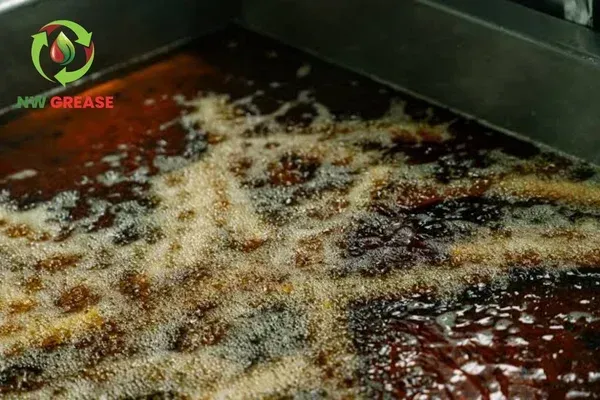
When hot grease enters sewer lines, it cools and solidifies. Over time, layers accumulate inside pipes, restricting water flow until blockages occur.
Why FOG Compliance Matters
Many restaurant owners only think about grease after experiencing plumbing issues. By then, the cost of the damage may turn out to be expensive.
FOG compliance helps restaurants:
Prevent sewer backups
Avoid plumbing emergencies
Reduce maintenance expenses
Protect municipal sewer systems
Stay compliant with local regulations
Prevent unpleasant kitchen odors
Improve workplace safety
Support environmental sustainability
More importantly, regulatory agencies increasingly inspect commercial kitchens to ensure proper grease management.
Failure to comply may lead to:
Fines
Health department citations
Sewer surcharges
Mandatory corrective actions
Temporary business shutdowns
Understanding Restaurant FOG Regulations
Every municipality has its own wastewater regulations, but most commercial kitchens are expected to follow similar requirements.
Restaurants generally must:
Install grease traps or grease interceptors
Clean grease traps regularly
Store waste cooking oil safely
Use licensed collection companies
Keep maintenance records
Prevent grease from entering storm drains
Train employees on grease handling
Local inspectors often request documentation proving grease traps have been serviced and cooking oil has been collected properly.
Keeping organized records demonstrates compliance and helps avoid unnecessary penalties.

The Hidden Costs of Poor Grease Management
Improper grease handling affects more than just plumbing.
Restaurants often experience:
Emergency Plumbing Repairs
Blocked drains can quickly shut down kitchen operations. Emergency plumbing services are significantly more expensive than routine maintenance.
Equipment Damage
Grease buildup can damage sinks, dishwashers, floor drains, and wastewater systems, shortening equipment lifespan.
Health Inspection Violations
Overflowing grease traps, foul odors, and unsanitary conditions can negatively affect inspection scores.
Lost Business
Customers notice unpleasant smells and cleanliness issues. Poor sanitation can quickly damage online reviews and customer trust.
Environmental Penalties
Illegal grease disposal can contaminate waterways and overwhelm wastewater treatment facilities, resulting in substantial fines.
How Used Cooking Oil Recycling Supports Compliance
One of the easiest ways to maintain FOG compliance is through used cooking oil recycling.
Instead of disposing of fryer oil improperly, restaurants partner with licensed recycling companies that collect used oil and convert it into valuable renewable products.
Recycled cooking oil is commonly processed into:
Biodiesel
Renewable diesel
Animal feed ingredients
Industrial lubricants
Bio-based products
This keeps waste out of landfills and sewer systems while supporting the circular economy.
Professional recycling also provides documentation showing your restaurant follows proper disposal procedures.
Best Practices for Restaurant Oil Disposal
Proper restaurant oil disposal begins with having a clear process that every employee understands.
Follow these best practices:
Never Pour Oil Down Drains
Even small amounts accumulate over time.
Oil should never enter:
Floor drains
Kitchen sinks
Toilets
Storm drains
Parking lot drains
Use Designated Storage Containers
Store used oil in secure, leak-proof containers with tight-fitting lids.
Keep containers:
Away from drains
Protected from weather
Easily accessible for collection
Clearly labeled
Schedule Regular Oil Collection
Allowing oil containers to overflow creates safety hazards and increases contamination risks.
Routine collection keeps operations running smoothly.
Train Employees
Kitchen staff should understand:
Proper oil handling
Spill response procedures
Grease trap protection
Safe storage practices
Employee training significantly reduces compliance violations.
Why Grease Traps Are Essential
Grease traps capture fats, oils, and grease before wastewater enters municipal sewer systems.
Without functioning grease traps:
Pipes clog faster
Sewer systems back up
Wastewater treatment becomes more difficult
Businesses risk regulatory action
Regular grease trap maintenance is one of the most important aspects of FOG compliance.
Restaurants should never wait until odors or slow drains appear before scheduling cleaning.
Warning Signs Your Restaurant Has FOG Problems
Many issues develop gradually.
Watch for:
Slow-draining sinks
Standing water
Frequent drain backups
Strong sewer odors
Grease trap overflow
Increased pest activity
Bubbling drains
Gurgling pipes
These symptoms often indicate excessive grease accumulation.
Ignoring them only increases repair costs.
Restaurant Sustainability Practices Begin in the Kitchen
Today's customers increasingly support environmentally responsible businesses.
Implementing restaurant sustainability practices benefits both the environment and your reputation.
Examples include:
Recycling cooking oil
Reducing food waste
Using environmentally friendly cleaning products
Conserving water
Improving energy efficiency
Recycling packaging materials
Preventing grease pollution
Sustainability also demonstrates corporate responsibility to customers, employees, and local communities.
How Professional Grease Management Simplifies Compliance
Managing grease internally can become overwhelming.
Professional grease management companies offer:
Scheduled oil collection
Grease trap cleaning
Regulatory documentation
Spill prevention
Secure storage solutions
Environmental compliance support
Emergency response services
Working with experienced professionals helps restaurant owners focus on serving customers rather than worrying about regulatory requirements.
Building a Grease Management Schedule
Consistency is key.
An effective grease management schedule includes:
Daily
Wipe greasy equipment
Empty food scraps before washing dishes
Inspect oil storage containers
Weekly
Clean kitchen surfaces thoroughly
Check grease trap performance
Inspect drains
Monthly
Review oil collection records
Inspect storage areas
Evaluate employee compliance
Quarterly
Schedule professional grease trap maintenance
Conduct staff refresher training
Review environmental compliance procedures
Routine maintenance prevents expensive emergencies.
Common FOG Compliance Mistakes
Restaurant owners frequently make avoidable mistakes.
These include:
Waiting Until Problems Occur
Preventive maintenance is always less expensive than emergency repairs.
Using Unlicensed Collectors
Always verify your recycling provider follows local environmental regulations.
Poor Employee Training
One employee disposing of grease incorrectly can create major plumbing problems.
Overfilling Oil Containers
Overflowing containers increase fire hazards and environmental risks.
Ignoring Maintenance Records
Documentation is often required during inspections.
How Technology Improves FOG Management
Modern restaurants increasingly use technology to simplify compliance.
Examples include:
Digital maintenance logs
Automated collection scheduling
Smart grease monitoring systems
Inventory tracking
Compliance reporting software
These tools improve efficiency while reducing administrative work.
Environmental Benefits of Proper Used Cooking Oil Recycling
Professional used cooking oil recycling provides benefits beyond regulatory compliance.
Recycling helps:
Reduce landfill waste
Prevent sewer pollution
Lower greenhouse gas emissions
Support renewable fuel production
Conserve natural resources
Reduce dependence on fossil fuels
Every gallon of recycled cooking oil contributes to a cleaner environment.
Creating a Culture of Compliance
Successful restaurants make grease management part of everyday operations.
Management should:
Establish written procedures
Provide ongoing staff training
Perform regular inspections
Encourage accountability
Review compliance reports
Celebrate environmental achievements
When employees understand why proper grease handling matters, compliance becomes much easier.
Choosing the Right Grease Recycling Partner
Not every grease collection company provides the same level of service.
Look for providers that offer:
Reliable collection schedules
Licensed recycling operations
Regulatory documentation
Emergency support
Professional customer service
Transparent communication
Environmentally responsible recycling methods
A trusted partner helps protect your business while ensuring long-term compliance.
Stay Ahead with Sustainable Kitchen Solutions
FOG compliance is only one part of building a cleaner, more efficient commercial kitchen. Restaurants looking to improve grease management, reduce waste, and strengthen sustainability efforts can also explore additional strategies in Sustainable Kitchen Solutions. These practical insights complement your FOG compliance plan and help create safer, more environmentally responsible kitchen operations.
For businesses interested in learning how recycled cooking oil supports renewable energy and the circular economy, visit Start Green Commodities to discover how collected used cooking oil is transformed into valuable renewable resources.
Frequently Asked Questions
How often should restaurants clean grease traps?
Cleaning frequency depends on kitchen volume, but many restaurants require professional service every one to three months. High-volume kitchens may need more frequent maintenance.
Is used cooking oil considered hazardous waste?
Generally, no. However, it must be handled responsibly through approved recycling and collection programs to remain compliant with environmental regulations.
Can restaurants recycle all cooking oil?
Most vegetable oils, fryer oils, and cooking fats can be recycled when stored properly and collected by licensed professionals.
Why is restaurant oil disposal regulated?
Improper disposal damages sewer infrastructure, pollutes waterways, and increases municipal maintenance costs.
What records should restaurants keep?
Maintain documentation for:
Oil collection
Grease trap cleaning
Maintenance schedules
Employee training
Inspection reports
These records help demonstrate compliance during inspections.
Final Thoughts
FOG compliance is no longer just a regulatory requirement it is an essential part of operating a responsible, efficient, and profitable restaurant. From preventing costly plumbing issues to protecting local sewer systems and reducing environmental impact, proper grease management benefits every aspect of your business.
By prioritizing used cooking oil recycling, following safe restaurant oil disposal procedures, and embracing restaurant sustainability practices, restaurant owners can reduce risks while improving operational efficiency and strengthening their reputation among environmentally conscious customers.
Partnering with a trusted grease management provider like NW Grease ensures your restaurant stays compliant with local regulations while making waste oil recycling simple and hassle-free. With regular maintenance, employee training, organized recordkeeping, and sustainable disposal practices, your kitchen can operate smoothly, avoid costly disruptions, and contribute to a cleaner, greener future.
Investing in FOG compliance today is an investment in your restaurant’s long-term success, environmental responsibility, and operational excellence.