What Happens If Your Restaurant Skips Grease Trap Cleanings?
Table of Contents
What Is a Grease Tap and Why It Is Important.
What Happens When You Skip Grease Trap Cleaning
Plumbing Disasters and Costly Repairs
Health and Safety Risks in Your Kitchen
Foul Odors and Customer Experience Impact
Legal and Compliance Consequences
Environmental Damage and Community Impact
The Role of Used Cooking Oil Collection
How Oil Recycling Near Me Can Help
Warning Signs Your Grease Trap Is Overdue
Best Practices to Avoid Grease Trap Issues
Cost of Neglect vs Cost of Maintenance
Building a Reliable Maintenance Routine
Final Thoughts: Prevention Is Always Cheaper
What a Grease Tap is and Why It is Important.
A grease trap is a plumbing device designed to capture fats, oils, and grease (FOG) before they enter the wastewater system. Every time you wash dishes, cook fried foods, or clean kitchen equipment, grease enters your drainage system.
Without a grease trap, this buildup would quickly clog your pipes and cause serious damage.
Why It’s Essential
Prevents blockages in plumbing
Keeps wastewater systems functioning properly
Ensures compliance with local health regulations
Protects the environment
To understand proper grease management and safety practices, you can explore this helpful internal resource:
What Happens When You Skip Grease Trap Cleaning
Ignoring routine grease trap cleaning doesn’t just create one problem it triggers a chain reaction of issues that can spiral out of control.
Here’s what really happens behind the scenes:
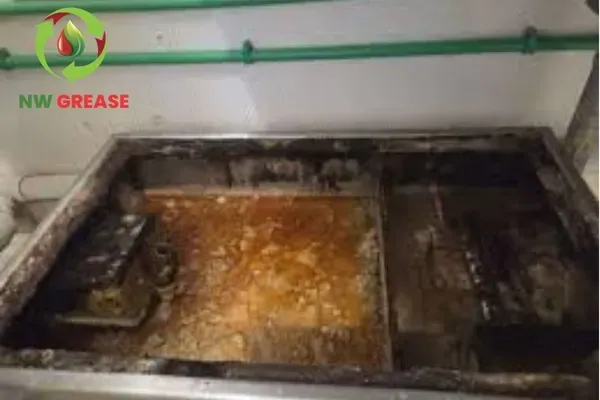
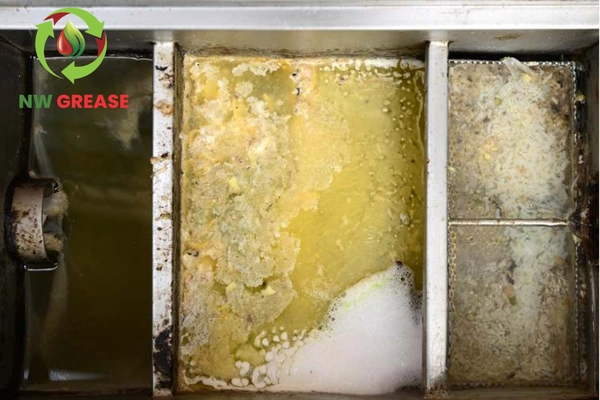
Grease accumulates and hardens
Flow of wastewater slows down
Pipes begin to clog
Odors develop
Eventually, systems fail
And when that happens, your restaurant operations can come to a complete halt.
Plumbing Disasters and Costly Repairs
One of the first and most immediate consequences of skipping grease trap cleaning is plumbing failure.
How It Happens
As grease builds up inside the trap, it starts flowing into your pipes. Over time, it solidifies and creates blockages that restrict water flow.
What You’ll Face
Slow drainage in sinks
Complete pipe blockages
Sewage backups into the kitchen
Emergency plumbing repairs
These issues can cost thousands of dollars and often require shutting down your kitchen temporarily.
Health and Safety Risks in Your Kitchen
A neglected grease trap becomes a breeding ground for bacteria, mold, and pests.
Key Risks Include:
Unsanitary working conditions
Increased risk of food contamination
Attraction of rodents and insects
Potential health code violations
Your kitchen is supposed to be a clean and controlled environment. Skipping maintenance puts both your staff and customers at risk.
Foul Odors and Customer Experience Impact
One of the most noticeable signs of grease trap neglect is the smell.
When grease decomposes, it releases strong, unpleasant odors that can spread throughout your restaurant.
Why This Matters
Customers notice bad smells immediately
It ruins the dining experience
Negative reviews can impact your reputation
Repeat business declines
In today’s competitive market, even a small issue like odor can cost you loyal customers.
Legal and Compliance Consequences
Restaurants are required to follow strict regulations regarding grease management and waste disposal.
Skipping regular grease trap cleaning can lead to:
Fines from local authorities
Health inspection failures
Temporary closure of your restaurant
Legal action in severe cases
Compliance isn’t optional it’s a necessity for operating legally and safely.
Environmental Damage and Community Impact
Improper grease management doesn’t just affect your restaurant it impacts the entire community.
When grease enters the sewer system, it can cause:
Sewer overflows
Water contamination
Damage to local ecosystems
Responsible practices like used cooking oil collection and proper disposal ensure your restaurant contributes positively to the environment.
The Role of Used Cooking Oil Collection
A major reason grease traps overflow is poor oil disposal habits.
Instead of dumping oil into sinks, restaurants should implement a structured used cooking oil collection system.
Benefits Include:
Reduced strain on grease traps
Fewer plumbing issues
Cleaner kitchen operations
Easier compliance with regulations
When oil is collected properly, it never reaches your plumbing system preventing problems before they start.
How Oil Recycling Near Me Can Help
If you’ve ever searched for oil recycling near me, you’re already on the right track.
Professional oil recycling services:
Provide secure storage containers
Schedule regular oil pickups
Ensure proper recycling processes
Help maintain compliance
They play a key role in supporting your grease trap system by removing excess oil before it becomes a problem.
Warning Signs Your Grease Trap Is Overdue
Not sure if your grease trap needs cleaning? Watch for these signs:
Slow draining sinks
Strong, unpleasant odors
Grease visible in wastewater
Overflow or leaks
Increased pest activity
Ignoring these warning signs can lead to serious damage and costly repairs.
Best Practices to Avoid Grease Trap Issues
Preventing problems is always easier than fixing them.
Here’s What You Should Do:
Schedule regular grease trap cleanings
Train staff on proper oil disposal
Use professional used cooking oil collection services
Avoid pouring oil down drains
Monitor grease levels regularly
Consistency is key to maintaining a healthy kitchen system.
Cost of Neglect vs Cost of Maintenance
Many restaurant owners delay grease trap cleaning to save money but this often backfires.
Cost of Neglect
Emergency plumbing repairs
Business downtime
Fines and penalties
Loss of customers
Cost of Maintenance
Routine cleaning services
Scheduled oil collection
Preventive care
The difference is clear: prevention is far more affordable than dealing with the consequences.
Building a Reliable Maintenance Routine
To keep your restaurant running smoothly, create a simple but effective routine:
Step 1: Set a Cleaning Schedule
Depending on your kitchen volume, clean your grease trap every 1–3 months.
Step 2: Partner with Professionals
Work with reliable providers for both grease trap cleaning and used cooking oil collection.
Step 3: Train Your Team
Ensure staff understands proper disposal practices.
Step 4: Monitor and Adjust
Regularly check your system and adjust schedules as needed.
Final Thoughts: Prevention Is Always Cheaper
Skipping grease trap cleaning might seem harmless in the short term, but the long-term consequences can be severe. From plumbing disasters to legal issues and environmental damage, the risks far outweigh the cost of regular maintenance.
By combining proper grease trap care with efficient used cooking oil collection and partnering with reliable oil recycling near me services, you can:
Protect your kitchen from costly breakdowns
Stay compliant with regulations
Maintain a clean and safe environment
Enhance your restaurant’s reputation
Contribute to a more sustainable future
In the restaurant business, success lies in the details and grease management is one detail you simply can’t afford to ignore.