How Better Oil Management Can Extend the Life of Your Kitchen Equipment
Introduction:
In a busy commercial kitchen, every piece of equipment is an investment. Deep fryers, grease traps, filters, and exhaust systems all work hard to keep your restaurant operating efficiently. Yet many restaurant owners overlook one of the simplest ways to protect these expensive assets: proper oil management.
When cooking oil is poorly handled, it breaks down faster, creates carbon buildup, clogs drainage systems, and forces kitchen equipment to work harder than necessary. Over time, this leads to costly repairs, increased energy bills, and premature equipment replacement.
On the other hand, implementing a smart oil management strategy including regular filtration, proper storage, and dependable used cooking oil recycling can dramatically extend the life of your kitchen equipment while improving food quality and supporting sustainability.
Why Oil Management Is Critical for Commercial Kitchens
Cooking oil is exposed to extreme temperatures, food particles, water, and oxygen throughout the day. As oil degrades, it forms free fatty acids, carbon deposits, and sludge that accumulate inside fryers and related systems.
Poor oil management can lead to:
Burned-on residue inside fryers
Clogged filters and drain lines
Increased wear on heating elements
Grease trap overflows
Ventilation system contamination
Higher utility costs
Frequent maintenance issues
By integrating a professional waste cooking oil collection service and adopting consistent maintenance practices, restaurants can significantly reduce these problems and protect their equipment investment.
The Hidden Costs of Neglecting Cooking Oil
Many operators focus only on the cost of replacing oil. However, the true expense of poor oil management goes far beyond the fryer.
Equipment Repairs
Dirty oil creates residue that insulates heating elements and causes them to overheat. Thermostats, pumps, and filtration systems experience greater stress and fail sooner.
Energy Waste
As components become coated with carbon, fryers require more energy to maintain target temperatures.
Food Quality Issues
Old oil causes inconsistent cooking, darkened food, and unpleasant flavors, affecting customer satisfaction.
Safety Risks
Overflowing oil, grease buildup, and clogged systems increase the risk of slips, fires, and health code violations.
Early Equipment Replacement
Without proper care, expensive kitchen equipment may need replacement years earlier than expected.
How Clean Oil Protects Your Fryers
Deep fryers are among the most heavily used and costly pieces of kitchen equipment. Maintaining clean oil helps protect:
Heating Elements
Contaminants create hot spots that force elements to work harder and fail prematurely.
Thermostats
Stable, clean oil improves temperature control and reduces wear on sensors.
Pumps and Filtration Systems
Removing food particles prevents blockages and mechanical strain.
Fryer Walls and Baskets
Reduced carbon buildup minimizes corrosion and eases cleaning.
Through effective Restaurant Cooking Oil Recycling, restaurants can maintain healthier oil and extend fryer life significantly.
The Link Between Used Cooking Oil Recycling and Equipment Longevity
Some restaurant owners view oil recycling solely as a disposal requirement. In reality, used cooking oil recycling is an essential component of preventive maintenance.
When oil is collected on schedule:
Storage containers do not overflow
Spills and contamination are minimized
Staff avoid improper disposal practices
Grease traps receive less strain
Equipment areas stay cleaner and safer
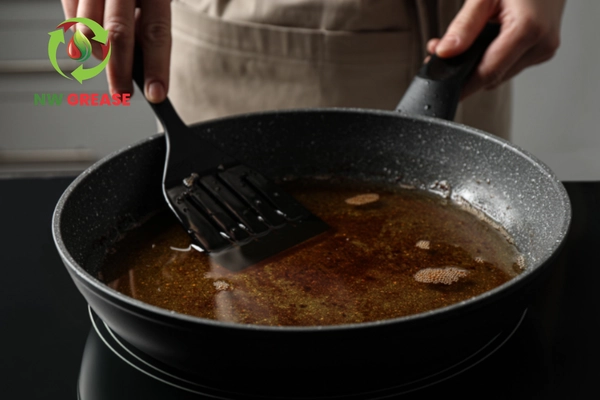
Daily Oil Management Practices That Extend Equipment Life
Filter Oil Every Day
Regular filtration removes crumbs and sediment that accelerate oil breakdown and damage equipment.
Skim Debris Frequently
Use skimmers throughout service to keep oil cleaner and reduce carbon formation.
Maintain Proper Frying Temperatures
Overheating shortens oil life and stresses heating components.
Cover Fryers Overnight
Reducing exposure to air slows oxidation and preserves oil quality.
Clean Fryers Thoroughly
Scheduled boil-outs and deep cleaning remove stubborn deposits before they damage internal parts.
Train Staff Consistently
Clear procedures ensure everyone follows the same best practices.
How Waste Cooking Oil Collection Service Supports Operations
A dependable waste cooking oil collection service does far more than remove old oil.
Scheduled Pickups
Consistent service prevents overfilled containers and operational disruptions.
Spill Prevention
Secure collection systems protect floors and surrounding equipment.
Regulatory Compliance
Professional providers help restaurants meet local environmental requirements.
Cleaner Workspaces
Organized disposal reduces odors and improves staff safety.
Sustainability Benefits
Collected oil is repurposed instead of being discarded irresponsibly.
Protecting More Than Just Fryers
Proper oil management benefits multiple systems throughout the kitchen.
Grease Traps
Less contamination means fewer clogs and lower maintenance costs.
Plumbing
Correct disposal prevents blockages and backups.
Ventilation Systems
Cleaner oil produces less airborne grease, reducing hood and duct buildup.
Flooring and Storage Areas
Professional collection minimizes leaks and slip hazards.
Signs Your Oil Management Program Needs Improvement
If your restaurant experiences any of the following, it may be time to upgrade your process:
Oil darkens unusually fast
Fryers smoke excessively
Heating times are increasing
Equipment repairs are becoming more frequent
Utility bills are rising
Grease traps clog often
Food quality is inconsistent
These issues often indicate deteriorating oil and inadequate disposal procedures.
Financial Benefits of Better Oil Management
Lower Oil Purchasing Costs
Extending oil life reduces the frequency of oil replacement.
Fewer Equipment Repairs
Cleaner systems experience less mechanical stress.
Reduced Energy Consumption
Efficient equipment uses less electricity or gas.
Longer Equipment Lifespan
Capital investments last significantly longer.
Improved Customer Satisfaction
Consistent food quality encourages repeat business.
Sustainability and Brand Reputation
Modern consumers increasingly value environmentally responsible businesses. By adopting Restaurant Cooking Oil Recycling, restaurants can:
Reduce landfill waste
Support renewable energy production
Minimize pollution
Strengthen community reputation
Appeal to eco-conscious customers
Combining recycling with broader waste reduction initiatives demonstrates a genuine commitment to sustainability.
Building an Effective Oil Management Strategy
To maximize equipment life, restaurants should:
Monitor oil quality daily.
Filter and clean fryers routinely.
Train employees on handling procedures.
Schedule regular grease trap maintenance.
Partner with a trusted waste cooking oil collection service.
Track oil usage and replacement intervals.
Review equipment performance regularly.
Choosing the Right Recycling Partner
When selecting a used cooking oil recycling provider, look for:
Reliable pickup schedules
Secure storage containers
Spill-free collection methods
Transparent service practices
Sustainability expertise
Responsive customer support
The right partner helps protect your equipment while simplifying compliance and waste management.
Common Mistakes That Shorten Equipment Life
Avoid these costly errors:
Overheating oil
Delaying filtration
Mixing fresh and degraded oil
Ignoring warning signs
Using unlicensed disposal providers
Skipping preventive maintenance
Correcting these habits can substantially increase the lifespan of your kitchen systems.
Real-World Example: Small Changes, Big Savings
A high-volume restaurant replaced fryer heating elements every 18 months and dealt with frequent grease trap issues. After implementing daily filtration and working with a professional used cooking oil recycling company, the restaurant reduced oil purchases, lowered maintenance costs, and extended fryer performance for several additional years.
The result was thousands of dollars in annual savings and more consistent food quality.
Final Thoughts
Your kitchen equipment is one of the most valuable assets in your restaurant. Protecting that investment requires more than occasional cleaning it demands a comprehensive oil management strategy.
By filtering oil regularly, maintaining proper temperatures, training staff, and partnering with a trusted waste cooking oil collection service, restaurants can reduce repairs, improve efficiency, and extend the life of critical equipment.
At the same time, Restaurant Cooking Oil Recycling turns waste into a valuable resource that supports renewable energy and environmental sustainability.