Grease Trap Maintenance:
Table of Contents
Why Grease Trap Maintenance Matters More Than Ever
What Exactly Is a Grease Trap & How Does It Work?
Signs Your Grease Trap Needs Immediate Attention
Grease Trap Maintenance: Recommended Schedule (Small, Medium & Large Kitchens)
Grease Trap Cleaning Services: What Professionals Actually Do
Cost of Grease Trap Maintenance: Full Breakdown
Best Practices for Long-Term Restaurant Plumbing Health
How Neglecting Grease Traps Impacts Your Business
Choosing the Right Grease Trap Cleaning Partner
Final Thoughts
Grease Trap Maintenance: Schedule, Cost & Best Practices
Running a commercial kitchen comes with its fair share of challenges busy shifts, strict health codes, equipment repairs, staff management, and of course, keeping your plumbing system functioning properly. But among all these daily tasks, one responsibility quietly protects your kitchen from catastrophic damage: regular grease trap maintenance.
Whether you run a small café or a large, high-volume restaurant, your grease trap is the frontline defender keeping fats, oils, and grease (FOG) out of your drainage lines. And if you’ve ever dealt with a backup during peak hours, foul smells drifting into the dining area, or slow-moving sinks that refuse to cooperate, you already know how essential proper upkeep is.
In this comprehensive guide, you’ll learn everything about grease trap cleaning services, maintenance schedules, cost expectations, best practices, and how to protect your restaurant from expensive plumbing emergencies.
Let’s dive in step-by-step.
Why Grease Trap Maintenance Matters More Than Ever
Today’s regulatory environment is tightening. City inspectors and environmental agencies are cracking down harder on restaurants that fail to manage grease correctly. More importantly, clogged grease traps are one of the top causes of restaurant plumbing failures leading to:
Emergency closures
Overflowing sinks
Drainage backups
Foul odors
FOG buildup in sewer lines
Heavy fines for non-compliance
Restaurants rely heavily on restaurant plumbing services, but the truth is simple:
👉 Most plumbing emergencies happen because of neglected grease traps.
Keeping a consistent routine for grease trap maintenance not only protects your infrastructure it keeps your operations smooth and ensures your kitchen stays compliant, clean, and safe.
What Exactly Is a Grease Trap & How Does It Work?
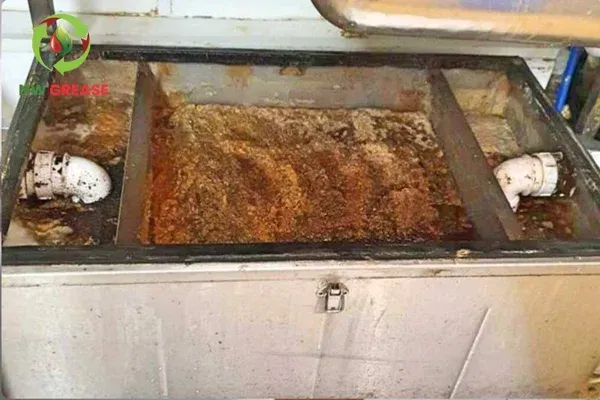
A grease trap is a small but powerful filtration system designed to capture fats, oils, and grease before they enter your main plumbing line. Here’s a simple breakdown of how it works:
Hot wastewater exits your sink or dishwasher and enters the grease trap.
As the water cools, FOG floats to the top, while solids sink to the bottom.
Cleaner water flows out through the outlet pipe into your drainage system.
Over time, the top layer of grease and the bottom layer of solids accumulate and must be removed.
This separation process is essential because without it, grease would solidify inside your pipes, causing blockages, backups, and expensive repairs.
But even the best grease traps can only hold so much. Failing to clean them regularly leads to faster contamination and inefficiency.
Signs Your Grease Trap Needs Immediate Attention
Even if you’re not sure how full your grease trap is, the system always gives off warning signs. Ignoring them can lead to bigger issues.
1. Foul Odors
The most obvious red flag. Built-up grease decomposes, producing sulfur-like smells that can drift into your dining area.
2. Slow-Draining Sinks
If your sinks take longer than usual to drain, your grease trap may be full and blocking proper flow.
3. Grease Overflow
This is a health hazard and a clear sign your trap is overdue for a cleaning.
4. Gurgling or bubbling sounds
These noises mean pressure is building in your lines due to grease blockages.
5. Noticeable FOG in your outgoing wastewater
This is a violation and can get your restaurant fined.
When these signs appear, don’t delay schedule professional grease trap cleaning services immediately.
Grease Trap Maintenance Schedule: How Often Should You Clean It?
Every commercial kitchen has different levels of grease output. But most municipalities follow the 25% rule:
➡️ When your trap is 25% full of grease and solids, it must be cleaned.
Below is a detailed, realistic maintenance schedule based on kitchen type and daily usage.
1. Small Restaurants, Cafés & Coffee Shops
Recommended frequency: Every 4–6 weeks
Even small kitchens generate more grease than expected. If your sinks drain slowly or you use dairy-based products heavily, shorten the interval.
2. Medium-Sized Restaurants, Diners & Fast Food
Recommended frequency: Every 2–4 weeks
Fast-paced kitchens produce predictable FOG. Regular cleaning prevents mid-shift blockages and plumbing emergencies.
3. High-Volume Commercial Kitchens
Hotels, banquet restaurants, catering services, and large franchises should clean traps:
Recommended frequency: Every 1–2 weeks
High-volume kitchens push more grease through their systems, which means quicker buildup.
4. Food Trucks
Recommended frequency: Every 4–8 weeks
Many food trucks run compact grease traps but still need consistent care to prevent odors and backups.
Why You Should Never Wait Too Long
Overdue cleaning leads to:
Costly plumbing repairs
FOG blockages
Health violations
Fines
Emergency closures
Staying ahead of maintenance is the simplest way to protect your kitchen and reputation.
Grease Trap Cleaning Services: What Professionals Actually Do
A professional grease trap technician doesn’t just “scoop out grease.” The process is detailed, regulated, and requires specialized equipment.
Here’s what a full service includes:
1. Inspecting the trap
Technicians check for:
Cracks
Rust
Damaged baffles
Loose lids
Missing gaskets
2. Pumping out all grease and wastewater
They remove:
FOG buildup
Solid food waste
Sediment
Sludge at the bottom
3. Scraping the trap walls
Walls often hold hardened grease that needs professional tools to remove.
4. Checking inlet & outlet pipes
Ensures proper flow and prevents backups.
5. Recording measurements for compliance
Most city inspectors require proof of:
Date of service
Grease levels
Trap size
Waste disposal method
6. Proper disposal of grease
Responsible haulers recycle or repurpose grease according to environmental regulations.
If you're curious about what happens to the oil after collection, check out this internal guide:
👉 The Journey of Used Oil
7. Providing maintenance recommendations
This includes cleaning schedule, repairs, and potential upgrades.
Professional services eliminate guesswork and keep your kitchen safe and compliant.
Grease Trap Maintenance Cost: Full Breakdown
Grease trap cleaning costs depend on:
Trap size
Location
Frequency
Level of buildup
Accessibility
Below is a realistic industry breakdown to help you budget effectively.
1. Small Indoor Grease Traps (20–120 gallons)
Average cost: $120–$250 per cleaning
Typical for cafés, small restaurants, and food trucks.
2. Medium Indoor/Outdoor Traps (120–500 gallons)
Average cost: $250–$500 per cleaning
Common in mid-size restaurants and fast-food chains.
3. Large Outdoor Interceptors (500–2500+ gallons)
Average cost: $500–$1500+ per cleaning
Used in hotels, banquet halls, universities, and large commercial kitchens.
Additional Charges That May Apply
Some traps require extra handling due to:
Severe buildup
Emergency service (night/weekend)
Difficult access
Excessive FOG volumes
Environmental fees
Restaurants that book regular recurring service typically save 10%–20% and avoid emergency costs.
For industry comparison and deeper insights, you may explore this helpful guide on grease trap cleaning from an external resource:
👉 Grease Trap Cleaning – Start Green Commodities
Best Practices for Long-Term Restaurant Plumbing Health
Maintaining your grease trap is more than just scheduling cleanings your daily kitchen habits determine how well your system performs.
Here are the top industry-approved best practices:
1. Train kitchen staff on proper grease disposal
Most grease problems start with improper handling. Train staff to:
Scrape food waste into bins
Avoid pouring oil down drains
Use sink strainers
Wipe pans before washing
2. Never flush emulsifiers or hot water to “melt grease”
This only pushes grease deeper into your pipes creating bigger blockages.
3. Keep a maintenance log
Health inspectors love organized records. Keep logs of:
Cleaning dates
Trap levels
Contractor info
Disposal manifests
4. Install the right-sized trap
A trap too small for your kitchen = constant backups
A trap too large = unnecessary high cleaning costs
Sizing matters.
5. Schedule routine maintenance
Following the earlier schedule chart is the best way to avoid emergencies.
6. Inspect outdoor interceptors regularly
Outdoor traps accumulate solids faster. Cover damage or water infiltration increases maintenance needs.
How Neglecting Grease Traps Impacts Your Business
If you’re tempted to push your cleaning schedule “just a few more weeks,” consider the real consequences. Neglect can lead to:
1. Costly Plumbing Repairs
Grease blockages can cost $500–$5000+ depending on severity.
2. Sewer Overflows
Nothing shuts down a restaurant faster than wastewater rising through floor drains.
3. Health Code Violations
Fail an inspection, and you may face:
Fines
Mandatory closures
Reputation damage
4. Bad Odors in Dining Areas
Customers won’t come back if your restaurant smells like rotten oil.
5. Environmental Penalties
FOG released into local sewer systems is a serious violation. Repetition may lead to legal action.
6. Increased Operational Costs
Emergency plumbing always costs more than scheduled maintenance.
Choosing the Right Grease Trap Cleaning Partner
Not all service providers are equal. The right partner should:
✔ Provide certified grease trap cleaning services
✔ Offer transparent pricing
✔ Follow environmental disposal regulations
✔ Have reliable pumping equipment
✔ Offer recurring maintenance plans
✔ Understand local municipal compliance rules
✔ Provide documentation for inspections
Working with the right company ensures safety, compliance, and long-term peace of mind.
Final Thoughts
Grease trap maintenance is not an optional task it’s a critical part of running a safe, clean, compliant, and efficient commercial kitchen. Staying ahead with the proper schedule, hiring reliable grease trap cleaning services, and following daily best practices will protect your plumbing, save money, and help your restaurant run without interruptions.
Whether you operate a small café or a large hotel kitchen, consistent grease trap maintenance is the smartest investment you can make. With sustainable practices, proper staff training, and the right maintenance partner, you’ll avoid costly backups, fines, and last-minute emergencies.