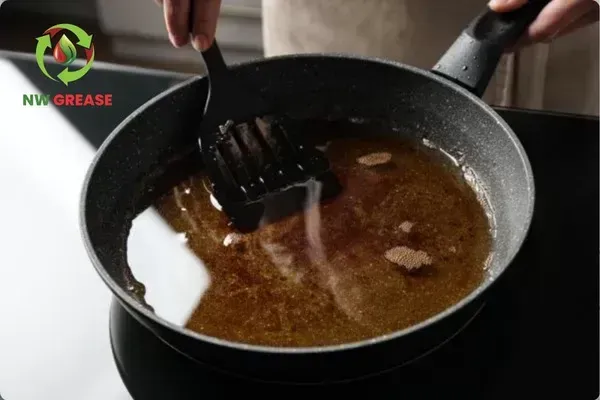
Safety Tips When Handling Waste Cooking Oil
Table of Contents
Safety First: Why Waste Cooking Oil Handling Matters
The Dangers of Mishandling Hot Oil
How to Safely Collect & Store Waste Cooking Oil
The Role of Used Cooking Oil Recycling (And Why Every Kitchen Needs It)
Grease Trap Cleaning Safety Tips
Commercial Kitchen Cleaning Best Practices for Oil & Grease
Waste-Oil Equipment: Choosing Safe Containers & Tools
Staff Training Tips for Safer Oil Handling
The Environmental Side: What Happens When Oil Is Disposed Improperly
Why Professional Service Providers Make Your Kitchen Safer
Final Thoughts
1. Safety First: Why Waste Cooking Oil Handling Matters
Every commercial kitchen, from small cafés to large hotel operations, deals with one unavoidable byproduct: used cooking oil. When handled properly, this oil is harmless even profitable because it can be turned into renewable energy, biodiesel, agricultural feedstock, and more.
But when handled incorrectly?
It becomes a serious safety threat.
Here are the top risks from improper oil handling:
Severe burns from hot oil splashes
Slip-and-fall accidents caused by grease residue
Kitchen fires
Clogs and backups from pouring oil down drains
Overflowing grease traps
Costly plumbing repairs
Bad odors that drive customers away
Pest infestations
Environmental penalties and fines
Safe handling is not optional it’s the law. OSHA, EPA, and local health departments all require kitchens to follow strict guidelines.
2. The Dangers of Mishandling Hot Oil
Before we dive into solutions, let’s understand why waste oil is dangerous if not managed correctly.
Burn Hazards
Hot oil stays hot long after it leaves the fryer. Temperatures can reach 350°F or more, and even a small splash can cause second- or third-degree burns.
Slippery Floors
Grease is one of the top causes of kitchen slip incidents, which are among the biggest workplace injury claims in the restaurant industry.
Fire Hazards
Oil is highly flammable. Storing it near heat sources or in open containers increases fire risk dramatically.
Health Violations
Poor waste oil management is one of the first things inspectors notice and one of the fastest ways to get cited.
Mishandling used cooking oil isn’t just a safety issue it’s a major operational and financial risk.
3. How to Safely Collect & Store Waste Cooking Oil
Proper collection and storage techniques are the foundation of safe oil handling.
3.1 Let Fryer Oil Cool Before Transport
Never attempt to move hot oil immediately after draining the fryer. Let it cool to a safe temperature. Many modern fryers have built-in oil filtration and disposal systems use them.
3.2 Wear Protective Gear
Your oil-handling toolkit should include:
Heat-resistant gloves
Non-slip footwear
Long-sleeve uniforms
Aprons
Safety goggles if transferring large volumes
3.3 Use Closed, Leak-Proof Containers
Avoid open buckets or makeshift containers. Always use:
Steel recycling tanks
Locking oil caddies
Mobile caddies with lids
Built-in waste oil systems
These reduce splashes, spills, and fire risks.
3.4 Proper Storage Location
Store waste cooking oil:
Away from open flames
Away from exit pathways
In a well-lit, well-ventilated area
In a locked space to prevent theft
3.5 Keep Waste Oil Containers Clean
Exterior residue leads to pest issues, slip risks, and foul odors. Wipe down tanks regularly.
4. The Role of Used Cooking Oil Recycling (And Why Every Kitchen Needs It)
Every modern commercial kitchen should partner with a used cooking oil recycling provider not only for safety, but also for compliance and sustainability.
Used oil recycling provides:
Safe, on-schedule removal of waste oil
Legal compliance with state and city regulations
Cleaner kitchens with fewer spills and backups
Eco-friendly waste processing
Lower maintenance costs
In some areas: rebates or payments for your used oil
This is why restaurants rely on services like NW Grease your city-approved, safety-focused partner for proper oil management.
Want to learn how restaurants generate cleaner operations through proper grease waste management?
Here’s a great resource:
Restaurant Grease Waste Best Practices
4.1 Why Recycling Is Better Than Disposal
Used cooking oil is never “trash.” When recycled, it is converted into:
Biodiesel
Renewable diesel
Clean industrial lubricants
Eco-friendly products
Want to explore the renewable side of oil recycling? This guide explains it well:
: Visit Start Green Commodities:
When oil is recycled through certified collectors, your kitchen stays safe, compliant, and environmentally responsible.
5. Grease Trap Cleaning Safety Tips
If your kitchen uses grease traps and nearly every restaurant does safety is essential.
Overflowing traps and clogged interceptors are dangerous and extremely expensive to fix. Partnering with grease trap cleaning services ensures you avoid:
Backflows
Foul odors
Slippery floors
Plumbing emergencies
Health department citations
But your staff should still follow safety precautions during daily operations.
5.1 Never Open the Grease Trap Without Proper Training
Grease traps contain harmful gases like:
Hydrogen sulfide
Methane
Only trained staff or professionals should access them.
5.2 Watch for Overflow Signs
Before a disaster hits, look for:
Slow draining sinks
Strong odors
Gurgling sounds
Grease around lids or drains
5.3 Don’t Use Chemicals to Clear Grease
Chemical drain cleaners:
Damage plumbing
Create toxic fumes
Disrupt grease trap function
Violate city regulations
Always rely on certified grease trap cleaning services instead.
5.4 Schedule Regular Maintenance
Most restaurants should clean traps every 30–90 days depending on:
Volume
Menu type
Local laws
NW Grease ensures traps are pumped, cleaned, documented, and fully compliant.
6. Commercial Kitchen Cleaning Best Practices for Oil & Grease
Keeping your kitchen clean isn’t only a health requirement it’s a safety necessity.
Oil builds up everywhere:
Floors
Walls
Hoods
Fryer stations
Sinks
Drains
Under equipment
This is where commercial kitchen cleaning routines make a massive difference.
6.1 Daily Grease Management Checklist
Your closing shift should include:
Cleaning fryer areas
Degreasing surfaces
Scrubbing floors with anti-slip degreasers
Wiping fryer knobs, handles, and baskets
Checking for oil puddles
Inspecting around waste oil containers
6.2 Weekly Tasks
Deep clean behind fryers and grills
Check grease trap for early overflow signs
Inspect mobile oil caddies
Clean storage areas for waste oil
6.3 Monthly or Quarterly Tasks
Hood and duct cleaning
Deep fryer boil-outs
Professional floor scrubbing
Grease trap pumping
Equipment inspection
Clean kitchens are safe kitchens and they also reduce the amount of oil and grease entering your waste system.
7. Waste-Oil Equipment: Choosing Safe Containers & Tools
Your waste oil handling system is only as safe as the equipment you use.
7.1 Mobile Oil Caddies
These wheeled containers allow you to transport oil without lifting heavy buckets.
Benefits:
Less risk of burns
Reduced spills
Easier transport
7.2 Locking Outside Tanks
These stationary containers should:
Be fire-resistant
Have secure lids
Prevent theft
Stay leak-proof
7.3 Auto-Plumbed Disposal Systems
These systems move oil directly from the fryer to the storage tank no human handling at all.
This is the safest option for any commercial kitchen.
8. Staff Training Tips for Safer Oil Handling
Your kitchen team is your first line of defense against accidents.
Here’s how to strengthen their safety habits:
8.1 Conduct Quarterly Safety Training
Topics should include:
Safe oil cooling
Proper transport
Spill cleanup
Emergency response
Fryer safety procedures
Right PPE usage
8.2 Post Safety Rules in Visible Areas
Place signs near:
Fryers
Waste oil storage
Grease traps
Dishwashing stations
Visible reminders reduce accidents.
8.3 Create a Spill Response Protocol
Your protocol should include:
Immediate area shutdown
Use of spill absorbents
Proper disposal
Floor degreasing
Management notification
Every employee must know this process.
9. The Environmental Side: What Happens When Oil Is Disposed Improperly
Pouring oil down sinks or toilets causes:
Sewage backups
Drain line blockages
Foul odors
Pest attraction
Pollution in waterways
Cities impose heavy fines for improper disposal.
Used cooking oil belongs in one place only:
A certified recycling container.
Responsibly disposing of oil protects:
Local sewer systems
Soil and water
Wildlife
Community health
And it keeps your restaurant compliant with environmental regulations.
10. Why Professional Service Providers Make Your Kitchen Safer
The smartest restaurants don’t handle waste oil alone they rely on professionals.
A service provider like NW Grease offers:
Safe Used Cooking Oil Recycling
No spills, no hazards, no worries.
Grease Trap Cleaning Services
Fast, compliant, and reliable.
Commercial Kitchen Cleaning Support
Cleaner kitchens = safer operations.
Emergency Response
Backup? Overflow? Flooding?
Professionals can handle it before it becomes a disaster.
Regulatory Documentation
All services include proper logs, reports, and compliance paperwork.
Professional support isn’t just convenient it eliminates risks your staff should never have to deal with.
11. Final Thoughts: Build a Safer, Cleaner, Greener Kitchen
Handling waste cooking oil safely is one of the most important responsibilities in any commercial kitchen. When you prioritize safety, you protect your team, your customers, your equipment, and your reputation.
Here’s what matters most:
Train staff regularly
Keep equipment clean and functional
Partner with trusted used cooking oil recycling providers
Never pour oil down drains
Keep grease traps maintained
Use proper containers
Follow OSHA and local safety guidelines
A cleaner kitchen is a more efficient kitchen and the right systems make it effortless.
If you want the safest, cleanest, and most compliant way to manage waste oil in your kitchen, services like NW Grease help you handle it all with confidence.
