Grease Trap Cleaning and FOG Compliance: What Every Restaurant Owner Needs to Know
Introduction:
If you run a commercial kitchen in Washington or Oregon, grease trap cleaning isn't just routine maintenance it's a compliance requirement that protects your plumbing, your health inspection score, and your bottom line. Fats, oils, and grease (often shortened to FOG) build up in your grease trap every time you cook, and if that buildup isn't managed on a regular schedule, it can lead to backups, fines, and even forced closures.
This guide breaks down what grease trap cleaning actually involves, how FOG compliance works in the Pacific Northwest, and how to build a maintenance routine that keeps your kitchen running smoothly.
What Is FOG and Why Does It Matter?
FOG stands for fats, oils, and grease the byproducts of cooking that end up in your wastewater. Every fryer, grill, sauté pan, and dishwasher sends some amount of FOG down the drain.
On their own, these substances seem harmless. But once they cool inside your pipes, they solidify and cling to the interior walls. Over weeks and months, that buildup narrows the pipe until wastewater can't flow through properly.
Municipal sewer systems across Washington and Oregon have FOG control programs specifically because restaurant grease is one of the leading causes of sanitary sewer overflows. That's why most cities require commercial kitchens to install and maintain a grease trap or interceptor as a condition of operating.
How Grease Traps Work
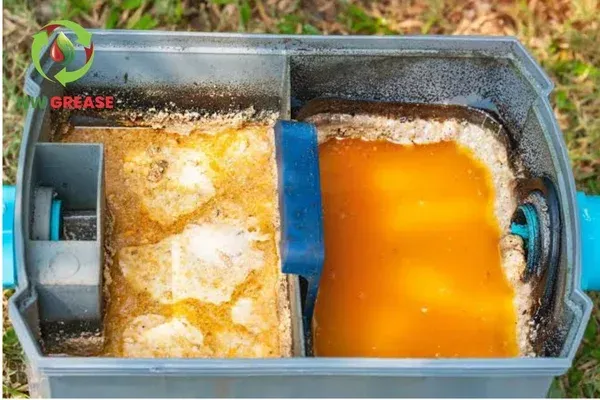
A grease trap is a plumbing device installed between your kitchen drains and the municipal sewer line. It works using a simple principle: grease and oil are less dense than water, so they rise to the top of the trap while solids sink to the bottom. The relatively clean water goes through the center and flows into the sewer system.
Grease traps come in two general categories:
Under-sink (passive) traps - smaller units installed directly beneath a sink, typically used by cafes, food trucks, and smaller kitchens
Grease interceptors - larger, often outdoor units designed for high-volume kitchens like full-service restaurants, hotels, and hospitals
Both types need regular cleaning. The difference is mainly in scale and how often service is required.
Why Regular Grease Trap Cleaning Is Non-Negotiable
It Prevents Costly Plumbing Emergencies
A grease trap that's allowed to fill past capacity stops doing its job. Grease and solids start passing through into the sewer line, where they can cause clogs, backups, and even sewage overflows into your kitchen. Emergency plumbing calls are almost always more expensive than a scheduled cleaning.
It Keeps You Compliant with Local Regulations
Most municipalities in Washington and Oregon require documented grease trap maintenance, often through a permit or FOG compliance program. Inspectors may ask for service records showing how often your trap is pumped and cleaned. Missing documentation, or a trap that's clearly overdue, can result in fines.
It Protects Your Health Inspection Score
Health inspectors check for signs of poor grease management, including odors, visible buildup, and pest activity near drains. A well-maintained grease trap removes one more variable that could affect your inspection results.
It Reduces Odor and Pest Issues
Decomposing grease has a strong, unpleasant smell that can spread into your dining room or nearby businesses. It also attracts pests. Regular cleaning keeps both problems from starting in the first place.
How Often Should You Clean Your Grease Trap?
There's no single answer that fits every kitchen. Cleaning frequency depends on:
Trap size and capacity
Volume of food prepared daily
Type of cooking (fryer-heavy kitchens fill traps faster)
Local regulatory requirements
Many jurisdictions follow what's known as the "25% rule" the trap should be cleaned before the combined layer of grease and solids reaches 25% of the trap's total capacity. For most full-service restaurants, this typically translates to cleaning every 4 to 12 weeks.
Your local sewer authority may set a specific minimum frequency, so it's worth checking your permit conditions rather than relying on estimates alone.

What Happens During Professional Grease Trap Cleaning
A thorough cleaning service typically includes:
Pumping out all grease, solids, and wastewater from the trap
Scraping and cleaning the interior walls and baffles
Inspecting the trap and connected plumbing for damage or wear
Measuring and documenting the grease and solids removed
Properly transporting the waste for recycling or disposal
Providing service documentation for compliance records
This last point matters more than many restaurant owners realize. If your city ever asks for proof of maintenance, having consistent, dated service records makes that conversation simple.
FOG Compliance: What Washington and Oregon Restaurants Should Know
Compliance requirements vary by city and county, but most FOG programs share a few common elements:
A permit or registration for food service establishments
Minimum grease trap sizing based on kitchen output
Required cleaning frequency or a maximum grease buildup threshold
Mandatory service documentation, often available on request
Inspections, which may be scheduled or unannounced
For specifics on your area's requirements, your city's public works or utilities department is the best source of current information, and the EPA's guidance on FOG management offers a helpful overview of why these programs exist nationally.
Common Mistakes That Lead to Compliance Issues
Waiting until there's a problem. Reactive cleaning after a clog or odor complaint almost always costs more than a scheduled program.
Pouring grease down the drain "just this once." Even small amounts add up quickly in a busy kitchen.
Skipping documentation. A trap that's cleaned but not logged still looks non-compliant to an inspector.
Undersizing the trap. A trap that's too small for your kitchen's volume will overflow between cleanings no matter how diligent your staff is.
Using the wrong disposal method. Dumping used oil into a dumpster or storm drain can result in significant fines and environmental damage.
Custom HTML/CSS/JavaScript
Expert Tips for Staying Ahead of FOG Buildup
Train kitchen staff to scrape plates and pans into the trash before washing, not into the sink
Install drain screens to catch food particles before they reach the trap
Keep a dedicated, sealed container for used cooking oil near your fryers
Set a recurring reminder tied to your actual cleaning schedule, not a general guess
Partner with a licensed grease trap service that also handles used cooking oil collection, so both needs are covered on one schedule
Key Takeaways
FOG buildup is a leading cause of restaurant plumbing failures and sewer overflows
Grease traps should be cleaned before reaching 25% capacity, typically every 4–12 weeks
Documentation is essential for FOG compliance in Washington and Oregon
A proactive cleaning schedule is almost always cheaper than emergency plumbing repairs
Pairing grease trap service with used cooking oil recycling simplifies kitchen waste management
Frequently Asked Questions
How do I know if my grease trap needs cleaning? Watch for slow drains, gurgling sounds, foul odors near sinks, or visible grease at the drain opening. If you notice any of these, schedule a cleaning right away rather than waiting for your next regular service.
What happens to the grease after it's collected? Grease and used cooking oil collected during service are typically transported to a recycling facility, where they're processed into products like biodiesel and animal feed additives rather than sent to a landfill.
Can I clean my own grease trap? Small under-sink traps can sometimes be maintained in-house, but larger interceptors require professional pumping equipment and proper waste transport to remain compliant with local disposal regulations.
What's the difference between a grease trap and a grease interceptor? They serve the same function, but interceptors are larger units designed for high-volume kitchens, usually installed outside the building, while grease traps are smaller and installed under or near sinks.
How much does grease trap cleaning cost? Cost depends on trap size, buildup level, and service frequency. Restaurants on a consistent maintenance schedule typically pay less over time than those that wait until a problem forces an emergency call.
Is grease trap cleaning legally required? In most Washington and Oregon municipalities, yes. Local FOG ordinances typically require commercial kitchens to install, maintain, and document grease trap service as a condition of their food service permit.
What's the penalty for FOG non-compliance? Penalties vary by jurisdiction but can include fines, mandatory corrective action, and in repeat cases, suspension of your food service permit until the issue is resolved.
Can grease trap neglect affect my health inspection? Yes. Inspectors look for signs of poor grease management, including odors and visible buildup, and a neglected trap can affect your overall inspection outcome.
Keep Your Kitchen Compliant and Running Smoothly
Grease trap cleaning isn't a task to put off until something goes wrong. A consistent schedule protects your plumbing, keeps you aligned with local FOG regulations, and helps your kitchen run without unexpected interruptions.
NWGrease provides grease trap cleaning and pumping services throughout Washington and Oregon, along with used cooking oil collection so your kitchen's waste management stays simple and compliant. Contact NWGrease today to schedule a grease trap cleaning or set up a recurring service plan built around your kitchen's needs.