From Kitchen Waste to Clean Energy: How Used Cooking Oil Becomes Biodiesel
Table of Contents
Introduction: Turning Everyday Waste into Renewable Energy
The Growing Demand for Sustainable Energy in Washington
Why Used Cooking Oil Is an Untapped Goldmine
The Complete Cooking Oil Recycling Process
Inside the Science: Biodiesel Production from Palm Oil and Used Cooking Oil
Environmental and Economic Benefits of Biodiesel
How Renewable Energy in Washington Is Fueling the Future
NW Grease: Powering the Circular Economy
How You Can Contribute
Final Thoughts
Introduction: Turning Everyday Waste into Renewable Energy
Every day, thousands of restaurants, households, and food manufacturers across the U.S. dispose of used cooking oil after frying and preparing meals. For many, this is simply waste something to toss out or pour down the drain. But what if that waste could power vehicles, heat homes, and even reduce carbon emissions?
Welcome to the world of biodiesel, where yesterday’s kitchen waste becomes tomorrow’s clean energy.
Through innovative recycling programs and advanced refining methods, used cooking oil is being transformed into a renewable fuel that’s reducing pollution, creating jobs, and moving us closer to energy independence.
In this post, we’ll uncover how the cooking oil recycling process works, the science behind biodiesel production from palm oil and used oil, and how companies like NW Grease are helping Washington lead the charge toward a cleaner, greener future.
The Growing Demand for Sustainable Energy in Washington
In the Pacific Northwest, particularly Washington and Oregon, sustainability isn’t a trend it’s a commitment. As environmental awareness grows, local governments and businesses are actively investing in renewable energy alternatives.
Washington’s green energy initiatives are focused on reducing reliance on fossil fuels and increasing the use of bio-based alternatives. One of the most promising sources? Used cooking oil.
Instead of letting this oil pollute waterways or clog drains, recycling turns it into renewable biodiesel, which can power diesel engines with fewer emissions. This small shift creates a huge impact on the environment and on how we think about waste.
By turning everyday byproducts into fuel, Washington’s renewable energy sector is setting a powerful example for sustainability across the nation.
Why Used Cooking Oil Is an Untapped Goldmine
To most restaurant owners or homeowners, used cooking oil is simply a nuisance messy, smelly, and difficult to dispose of. But in reality, it’s a valuable resource waiting to be harnessed.
Here’s why:
High Energy Content: Cooking oils, especially those made from animal fats or palm oil, have a high energy density. This makes them ideal for conversion into biodiesel.
Abundance: Every restaurant, cafeteria, and food processor produces cooking oil waste daily. This consistent supply ensures that biodiesel production can scale sustainably.
Circular Economy Benefits: Recycling used oil creates a closed-loop system waste becomes raw material for new energy production, minimizing environmental impact.
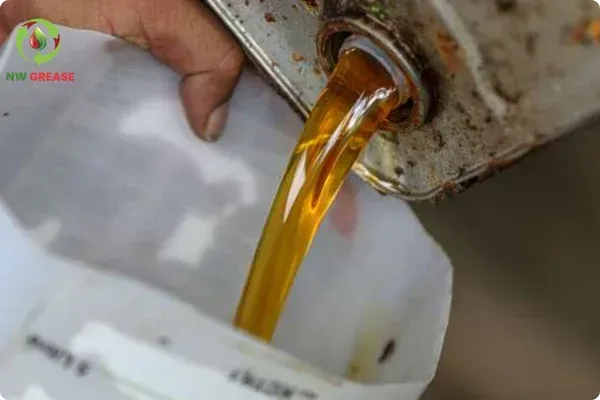
Instead of clogging up drains or landfills, used cooking oil collected by companies like NW Grease goes through a meticulous recycling process, turning waste into clean fuel that powers communities.
The Complete Cooking Oil Recycling Process
The transformation from kitchen grease to renewable energy isn’t magic it’s science, efficiency, and sustainability in action. Here’s how the cooking oil recycling process works step-by-step:
1. Collection
Restaurants, cafeterias, and homes store their used cooking oil in sealed containers. NW Grease provides secure collection systems that keep oil contained and prevent spills or contamination. Scheduled pickups ensure that no oil is wasted.
2. Transportation
Collected oil is safely transported to a licensed recycling facility. Here, it undergoes preliminary testing to determine quality and composition.
3. Filtration and Cleaning
The oil is heated and filtered to remove impurities such as food particles, water, and other debris. Clean oil is essential for efficient conversion during biodiesel production.
4. Refining
At this stage, the filtered oil is refined to remove any remaining impurities and prepare it for chemical conversion. The refining process ensures that the oil meets the purity standards required for high-quality biodiesel.
5. Conversion (Transesterification)
This is the heart of biodiesel production. Through a chemical reaction involving methanol and a catalyst (usually sodium hydroxide or potassium hydroxide), triglycerides in the oil are converted into methyl esters (biodiesel) and glycerin, a byproduct used in soaps and cosmetics.
6. Testing and Quality Assurance
Each batch of biodiesel undergoes rigorous testing to ensure compliance with fuel standards. Parameters such as viscosity, density, and purity are checked before distribution.
7. Distribution and Use
Finally, the biodiesel is blended with conventional diesel or used directly in compatible engines, powering vehicles, machinery, and even heating systems.
This cycle not only prevents environmental damage but also promotes sustainable energy production at a local level.
For an in-depth explanation of why recycling oil is so critical, read why recycling cooking oil matters for the environment.
Inside the Science: Biodiesel Production from Palm Oil and Used Cooking Oil
Palm Oil vs. Used Cooking Oil
Palm oil has historically been one of the leading raw materials for biodiesel production due to its high yield and energy efficiency. However, large-scale palm oil farming often raises environmental concerns, such as deforestation and habitat destruction.
This is where used cooking oil comes in a sustainable, low-impact alternative that recycles existing materials instead of sourcing new ones.
By converting used cooking oil into biodiesel, we can achieve similar energy efficiency without the environmental drawbacks associated with palm cultivation.
The Conversion Process Explained
Here’s how biodiesel production from palm oil and used oil works in practice:
Feedstock Preparation: Both palm oil and used cooking oil are pre-treated to remove impurities.
Chemical Reaction: The oil reacts with methanol in the presence of a catalyst. This process breaks down triglycerides into esters (the biodiesel) and glycerin.
Separation: The biodiesel is separated from the glycerin layer and then purified.
Refining: Final refining removes any remaining alcohol or catalyst residues.
The resulting biodiesel can be used as a direct replacement for petroleum diesel or blended to improve fuel efficiency and emissions.
Environmental and Economic Benefits of Biodiesel
Switching to biodiesel made from used cooking oil has profound environmental and social benefits:
🌍 1. Lower Greenhouse Gas Emissions
Biodiesel emits up to 80% less carbon dioxide compared to traditional diesel fuels. This makes it a major player in fighting climate change.
💧 2. Cleaner Water and Soil
When oil is poured down drains, it can cause sewer blockages, water pollution, and damage to ecosystems. Recycling eliminates these risks.
🔄 3. Waste Reduction
Every gallon of used cooking oil recycled into biodiesel means less waste entering landfills or sewage systems a win for both businesses and the environment.
🚗 4. Renewable and Biodegradable
Biodiesel is non-toxic and biodegradable, making it much safer for storage, transportation, and use compared to petroleum-based fuels.
💰 5. Economic Opportunities
The biodiesel industry supports local economies by creating jobs in collection, refining, and logistics. Small restaurants and local facilities can also earn income from oil recycling programs.
How Renewable Energy in Washington Is Fueling the Future
Washington State is a beacon of innovation in renewable energy. Beyond hydroelectric power and wind farms, biodiesel has become a key part of the region’s sustainability strategy.
Through incentives, tax credits, and community awareness campaigns, the state encourages both businesses and individuals to recycle oil and use renewable fuels.
Local initiatives supported by companies like NW Grease ensure that restaurants and food manufacturers can easily participate in the renewable energy Washington movement without added complexity or cost.
Each gallon of biodiesel produced locally represents one less gallon of fossil fuel burned and one more step toward a carbon-neutral future.
NW Grease: Powering the Circular Economy
NW Grease is at the forefront of Washington’s oil recycling revolution. Their mission goes beyond collection; it’s about education, sustainability, and transformation.
By providing secure oil storage containers, reliable pickups, and responsible processing, NW Grease ensures that used cooking oil is never wasted. Instead, it becomes a key ingredient in renewable energy solutions.
Whether you’re a small café or a large restaurant chain, partnering with NW Grease means:
Hassle-free oil collection
Compliance with local waste regulations
Reduced environmental footprint
Direct contribution to green energy initiatives
NW Grease is not just collecting oil it’s collecting potential, turning yesterday’s waste into tomorrow’s clean energy.
How You Can Contribute
Here’s how you, as a restaurant owner or household, can be part of this green cycle:
Store Used Oil Properly: Always use sealed containers to prevent spills and contamination.
Partner with a Trusted Recycler: Schedule regular pickups with a licensed company like NW Grease.
Educate Staff and Family: Teach proper disposal methods to reduce environmental impact.
Support Renewable Energy: Choose biodiesel-powered vehicles and machinery where possible.
Small actions lead to big results. By choosing to recycle, you’re helping build a cleaner, more sustainable world.
Final Thoughts
The next time you’re done frying your favorite meal, remember: that leftover oil isn’t just waste it’s potential energy.
Through the cooking oil recycling process, what begins as greasy kitchen residue becomes clean, renewable fuel that powers vehicles, reduces emissions, and supports the environment.
With the help of companies like NW Grease, renewable energy in Washington is thriving turning everyday waste into a resource that benefits us all.
Let’s continue to rethink waste, embrace sustainability, and fuel the future one drop of oil at a time.