Why DIY Oil Disposal Is Risky (And Illegal in Many States)
Introduction,
For many restaurant owners and food service operators, managing used cooking oil and grease feels like a behind-the-scenes task something to “handle later” or do the cheapest way possible. Some businesses still rely on DIY oil disposal, believing it saves time or money.
In reality, DIY oil disposal is one of the most dangerous, costly, and legally risky mistakes a restaurant can make.
Across the U.S., improper oil handling is a leading cause of:
Sewer overflows
Environmental contamination
Costly plumbing failures
Health code violations
State and city fines
Business shutdowns
In many states, DIY oil disposal is illegal, especially when it involves pouring oil down drains, trash disposal, or unlicensed transportation. That’s why professional Grease Trap Cleaning and Restaurant Cooking Oil Recycling are no longer optional they’re essential.
This guide explains why DIY oil disposal is risky, what the law actually says, and how professional oil recycling protects your restaurant, your finances, and your reputation.
What Counts as DIY Oil Disposal?
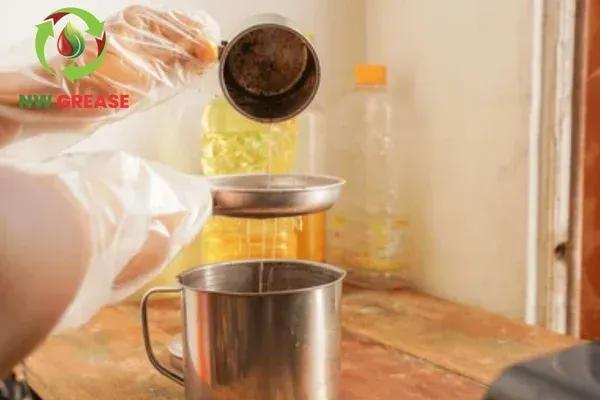
DIY oil disposal refers to any method where restaurant staff handle used cooking oil or grease without licensed professionals.
Common DIY practices include:
Pouring oil into sinks or floor drains
Dumping oil into trash bins or dumpsters
Storing oil in unsealed containers
Transporting used oil in personal vehicles
Skipping regular grease trap cleaning
Mixing grease with solid waste
These methods may seem harmlessbut they violate plumbing codes, environmental laws, and health regulations in many jurisdictions.
Why Restaurants Still Attempt DIY Oil Disposal
Despite regulations, some restaurants still attempt DIY methods because:
They underestimate legal consequences
They want to reduce service costs
They lack awareness of oil disposal laws
They assume “everyone does it”
They don’t understand grease trap systems
Unfortunately, ignorance does not protect against fines or liability.
The Legal Reality: DIY Oil Disposal Is Illegal in Many States
Why States Regulate Used Cooking Oil
Used cooking oil is classified as regulated waste in many states due to its environmental impact. When improperly disposed of, oil:
Clogs municipal sewer systems
Pollutes waterways
Attracts pests
Creates public health risks
As a result, states and cities require:
Licensed oil transporters
Documented oil recycling
Regular grease trap cleaning
Proof of proper disposal
In some regions, restaurants must show compliance records during inspections.
Failure to comply can lead to:
Fines ranging from hundreds to thousands of dollars
Immediate citations
Forced closures
Revoked business permits
How DIY Oil Disposal Damages Sewer Systems
One of the biggest dangers of improper oil disposal is sewer damage.
The Science Behind Grease Blockages
When hot oil is poured down a drain:
It cools and solidifies
It sticks to pipe walls
It traps food particles
It grows into large grease blockages
These blockages often called fatbergs are one of the leading causes of city sewer failures.
Municipalities spend millions annually repairing grease-related damage, and restaurants are often held financially responsible.
Grease Trap Cleaning: The First Line of Defense
A grease trap is designed to capture fats, oils, and grease (FOG) before they enter the sewer system but only if it’s cleaned regularly.
What Happens When Grease Traps Aren’t Properly Cleaned?
Skipping professional Grease Trap Cleaning leads to:
Overflowing grease traps
Sewer backups into kitchens
Strong odors
Pest infestations
Health code violations
Emergency plumbing costs
DIY grease trap maintenance is unsafe, unsanitary, and often non-compliant with local codes.
For a deeper look into common grease trap failures, NW Grease explains the risks clearly in this resource on
commercial grease trap issues
Environmental Damage Caused by Improper Oil Disposal
DIY oil disposal doesn’t just hurt your restaurant it harms the environment.
Environmental Consequences Include:
Oil entering storm drains
Waterway contamination
Soil pollution
Harm to wildlife
Increased wastewater treatment strain
Used cooking oil is not biodegradable. Once it reaches natural ecosystems, cleanup is expensive and often incomplete.
This is why environmental agencies strongly enforce oil disposal regulations and promote Restaurant Cooking Oil Recycling as the responsible alternative.
Restaurant Cooking Oil Recycling: The Legal & Sustainable Solution
Restaurant Cooking Oil Recycling transforms waste oil into a valuable resource instead of an environmental hazard.
How Professional Oil Recycling Works:
Used oil is stored in sealed containers
Licensed recyclers collect oil on a schedule
Oil is filtered and processed
It’s converted into biodiesel, renewable fuels, or industrial products
This process:
Prevents illegal dumping
Reduces fossil fuel reliance
Supports renewable energy
Keeps restaurants compliant
In contrast, DIY oil disposal offers zero environmental benefit and maximum risk.
Why “Oil Recycling Near Me” Matters
Restaurants searching for oil recycling near me are making a smart business move.
Benefits of Local Oil Recycling Services:
Faster pickups
Lower carbon footprint
Better compliance support
Emergency response availability
Local regulatory knowledge
Local providers also understand city-specific grease and oil regulations, helping restaurants stay ahead of inspections.
Health Code Violations Linked to DIY Oil Disposal
Health inspectors take oil management seriously.
Common violations include:
Grease buildup in drains
Overflowing grease traps
Oil odors in food prep areas
Improper oil storage
Lack of disposal documentation
Even one violation can lead to:
Re-inspection fees
Public health score damage
Negative online reviews
Loss of customer trust
Professional grease trap cleaning and oil recycling provide documentation that inspectors often request.
Fire Hazards: A Hidden Danger of DIY Oil Storage
Used cooking oil is highly flammable.
Improper DIY storage can cause:
Fire hazards in kitchens
Spontaneous combustion in dumpsters
Code violations from fire marshals
Insurance claim denials
Licensed recyclers use approved containers and follow safety standards that reduce these risks significantly.
The Financial Myth: DIY Is Not Cheaper
Many restaurant owners believe DIY oil disposal saves money. In reality, it often costs far more.
Hidden Costs of DIY Disposal:
Emergency plumbing repairs
Sewer damage liability
Fines and penalties
Health department citations
Business downtime
Legal fees
Professional Grease Trap Cleaning and Restaurant Cooking Oil Recycling are predictable, budget-friendly services that prevent expensive surprises.
How Regulations Are Tightening Every Year
Environmental enforcement is increasing nationwide.
Cities are:
Conducting surprise inspections
Monitoring sewer discharge
Tracking grease-related damage
Requiring proof of licensed disposal
In many states, failure to provide oil recycling records during inspection is considered non-compliance.
DIY disposal simply cannot meet these standards.
The Role of Certified Recycling Partners
Working with certified recyclers ensures:
Legal compliance
Environmental responsibility
Proper documentation
Reliable service schedules
Organizations like
Kernuco
play a critical role in promoting responsible oil recycling and sustainability within the food service industry.
These partnerships support renewable energy goals while protecting restaurants from regulatory risk.
Educating Staff: A Critical Step in Compliance
Even with a recycling service, staff training matters.
Restaurants should:
Train employees on proper oil handling
Prevent drain dumping
Use approved containers
Report grease trap issues early
Follow pickup schedules
DIY habits often come from lack of education, not bad intent.
Why Professional Services Are the Only Safe Option
When it comes to used cooking oil and grease, there is no safe DIY method for commercial kitchens.
Professional services provide:
Compliance assurance
Environmental protection
Health code safety
Long-term cost savings
Peace of mind
Skipping them puts your entire operation at risk.
Final Thoughts: Awareness Is Protection
DIY oil disposal might seem minor but its consequences are massive.
From legal penalties to environmental damage, the risks far outweigh any perceived savings. In 2025 and beyond, responsible restaurants will rely on Grease Trap Cleaning, Restaurant Cooking Oil Recycling, and trusted local providers found through oil recycling near me searches.
Education is the first step toward compliance and compliance is the foundation of sustainable restaurant success.
By choosing professional oil management, restaurants protect their business, their community, and the environment.