Why Your Grease Trap Smells (And How Proper Oil Handling Fixes It)
Table of Contents
The Real Reason Grease Trap Odors Happen
Why Grease Trap Smells Are a Serious Restaurant Problem
How Grease Traps Actually Work
The Role of Fats, Oils, and Grease (FOG)
Restaurant Oil Disposal: Where Things Go Wrong
How Improper Oil Disposal Creates Odors
Why Pouring Oil Down the Drain Makes Smells Worse
Grease Trap Cleaning: Why Timing Matters
Signs Your Grease Trap Is Overdue for Cleaning
How Old Oil Turns Into Odor-Causing Bacteria
Oil Recycling Near Me: Why Local Service Matters
Environmental Impact of Poor Oil Handling
Health Inspections and Grease Trap Odors
Employee Safety and Workplace Comfort
How Proper Oil Handling Fixes Grease Trap Smells
Best Practices for Restaurant Oil Disposal
How NW Grease Solves Grease Trap Odor Problems
Technology and Professional Grease Management
Long-Term Benefits of Proper Oil Handling
Final Thoughts: Clean Systems, Clean Kitchens
The Real Reason Grease Trap Odors Happen
Few things are as embarrassing or damaging to your restaurant’s reputation as a foul grease trap smell. Whether it’s drifting into the dining area, lingering in the kitchen, or catching the attention of health inspectors, grease trap odors are a warning sign that something is wrong.
Many restaurant owners assume the smell is unavoidable. Others believe dumping extra oil or using chemicals will fix it. The truth is far simpler and far more important.
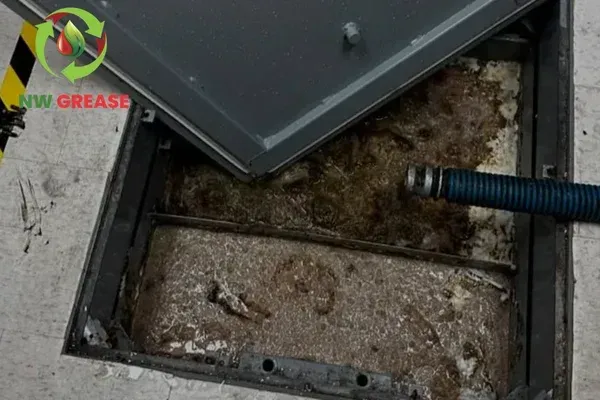
Grease trap odors are almost always caused by improper restaurant oil disposal and poor grease management practices. The good news? With the right oil handling and professional grease trap cleaning, the smell can be eliminated entirely.
Why Grease Trap Smells Are a Serious Restaurant Problem
A grease trap smell isn’t just unpleasant it’s a business risk.
What That Smell Really Means
Decomposing fats and oils
Anaerobic bacteria buildup
Trapped food waste fermenting
Blocked wastewater flow
Left untreated, odors can escalate into:
Failed health inspections
Sewer backups
Customer complaints
Lost revenue
Emergency plumbing repairs
In short, grease trap odors signal deeper operational problems that must be addressed at the source.
How Grease Traps Actually Work
To understand why grease traps smell, it helps to understand how they function.
Grease traps are designed to:
Slow wastewater flow
Allow fats, oils, and grease (FOG) to cool
Separate grease from water
Prevent grease from entering sewer lines
Over time, grease floats to the top, solids settle at the bottom, and water flows out. When maintained properly, this system works quietly and effectively.
When neglected or overloaded with oil the system breaks down.
The Role of Fats, Oils, and Grease (FOG)
FOG is the primary culprit behind grease trap odors.
Common Sources of FOG
Fryer oil
Grill grease
Sauces and dressings
Dairy products
Meat fats
When excessive FOG enters your grease trap due to poor restaurant oil disposal, it accelerates decomposition and odor formation.
Restaurant Oil Disposal: Where Things Go Wrong
One of the biggest mistakes restaurants make is treating used oil like wastewater.
Common Disposal Mistakes
Pouring fryer oil down drains
Dumping oil into mop sinks
Mixing oil with food waste
Skipping professional oil pickup
Storing oil in open containers
These actions overwhelm grease traps and create perfect conditions for odor-producing bacteria.
How Improper Oil Disposal Creates Odors
When oil is poured into drains, it doesn’t disappear. It cools, thickens, and sticks to grease trap walls.
What Happens Next
Oil accumulates faster than the trap can separate it
Oxygen is displaced
Anaerobic bacteria thrive
Sulfur compounds form
Rotten-egg odors develop
At this stage, no amount of air freshener will help.
Why Pouring Oil Down the Drain Makes Smells Worse
Even small amounts of oil can cause big problems.
Why Drains Aren’t Oil-Safe
Oil solidifies as it cools
Pipes trap grease buildup
Flow slows, trapping food waste
Odors back up into kitchens
Proper restaurant oil disposal requires keeping oil out of drains entirely.
Grease Trap Cleaning: Why Timing Matters
Many restaurants wait too long between cleanings.
What Happens When Cleanings Are Delayed
Grease layers harden
Odors intensify
Trap capacity shrinks
Wastewater flow slows
Routine grease trap cleaning removes decomposing grease before it smells and before it becomes a plumbing emergency.
For a deeper look into professional service options, restaurants can learn more about commercial grease trap cleaning and how it protects their operations.
Signs Your Grease Trap Is Overdue for Cleaning
Not sure if odors mean it’s time to clean? Watch for these warning signs:
Persistent rotten or sour smells
Slow drains
Grease backing up into sinks
Visible grease overflow
Increased pest activity
If you notice even one of these, immediate service is needed.
How Old Oil Turns Into Odor-Causing Bacteria
Used cooking oil breaks down rapidly.
As Oil Ages
Free fatty acids increase
Bacteria multiply
Sulfur gases form
Odors intensify
The longer oil sits in a grease trap, the worse the smell becomes. Proper handling prevents oil from ever reaching this stage.
Oil Recycling Near Me: Why Local Service Matters
Many restaurants search for oil recycling near me because local service offers real advantages.
Benefits of Local Oil Recycling
Faster pickups
Better regulatory compliance
Reduced storage time
Lower spill risk
Local recyclers ensure used oil is removed quickly before it contributes to grease trap odor issues.
Environmental Impact of Poor Oil Handling
Grease trap odors aren’t just a restaurant issue they’re an environmental one.
Environmental Consequences
Sewer blockages
Wastewater overflows
Water contamination
Increased treatment costs
When oil is recycled properly, it can be converted into renewable energy through responsible processors like Start Green Commodities, reducing environmental harm.
Health Inspections and Grease Trap Odors
Health inspectors take odors seriously.
What Inspectors Look For
Grease trap maintenance records
Oil storage practices
Evidence of professional service
Odor presence
A strong odor can trigger deeper inspections and citations even if everything else looks clean.
Employee Safety and Workplace Comfort
Grease trap odors don’t just affect customers.
Impact on Staff
Poor air quality
Reduced morale
Slippery floors from grease overflow
Increased pest exposure
A clean, odor-free kitchen creates a safer and more productive work environment.
How Proper Oil Handling Fixes Grease Trap Smells
The solution isn’t masking odors it’s prevention.
What Proper Oil Handling Does
Keeps oil out of drains
Reduces grease trap load
Slows bacterial growth
Eliminates odor sources
When combined with routine grease trap cleaning, odors disappear entirely.
Best Practices for Restaurant Oil Disposal
Smart oil handling starts with clear procedures.
Recommended Best Practices
Use sealed oil storage containers
Schedule regular oil pickups
Train staff on disposal rules
Never mix oil with wastewater
Keep oil storage areas clean
These steps dramatically reduce grease trap odor issues.
How NW Grease Solves Grease Trap Odor Problems
NW Grease specializes in preventing grease-related problems before they start.
NW Grease Services Include
Professional restaurant oil disposal
Scheduled oil recycling pickups
Routine grease trap cleaning
Compliance documentation
Odor-prevention strategies
By removing oil at the source, NW Grease helps restaurants stay clean, compliant, and odor-free.
Technology and Professional Grease Management
Modern grease management uses technology to improve results.
Innovations Include
Scheduled service tracking
Compliance reporting
Secure oil containment
Efficient recycling logistics
These tools ensure grease traps stay clean and odor-free year-round.
Long-Term Benefits of Proper Oil Handling
Investing in proper oil disposal pays off.
Long-Term Advantages
Fewer plumbing emergencies
Lower maintenance costs
Improved inspection outcomes
Better customer experience
Stronger environmental reputation
Restaurants that manage grease correctly spend less and operate more smoothly.
Final Thoughts: Clean Systems, Clean Kitchens
A smelly grease trap isn’t inevitable it’s preventable.
With responsible restaurant oil disposal, consistent grease trap cleaning, and access to reliable oil recycling near me, restaurants can eliminate odors at the source.
NW Grease helps food service businesses protect their kitchens, their customers, and their reputation one clean grease system at a time.
Clean oil handling doesn’t just fix smells.
It keeps your entire operation running better.