Commercial Kitchen Maintenance Tips to Reduce Grease Problems
Introduction:
Grease is one of those problems that never announces itself until it's already expensive. A slow drain here, a faint odor there, and before long you're staring at a flooded kitchen floor or a violation notice from your local health department. If you run a restaurant, cafeteria, hotel kitchen, or any commercial food operation, grease management isn't a side task. It's a core part of keeping your kitchen running.
The good news is that most grease problems are preventable. With the right maintenance habits, consistent used cooking oil recycling, and a proactive approach to your plumbing, you can avoid the backups, bad smells, and surprise repair bills that plague so many kitchens. This guide walks through practical, real-world steps you can start using today to keep grease under control.
Why Grease Problems Happen in the First Place
Every commercial kitchen produces fats, oils, and grease, commonly shortened to FOG. It comes from fryers, grills, sauté pans, dish pits, and even the steam rising off a busy line during dinner rush. On its own, that's not a problem. Grease becomes a problem when it's mismanaged.
Here's what typically goes wrong:
Oil and grease get poured down drains instead of collected properly
Grease traps aren't cleaned or pumped on a regular schedule
Staff aren't trained on proper disposal habits
Used cooking oil sits too long before pickup, increasing odor and pest risk
Kitchens skip routine plumbing inspections until something breaks
None of these issues happen because kitchen staff are careless. They happen because grease management often falls to the bottom of a long list of daily priorities. A structured maintenance plan changes that.
The Real Cost of Ignoring Grease Maintenance
Before getting into solutions, it helps to understand what's actually at stake. A neglected grease trap or an overflowing oil collection bin isn't just an inconvenience. It can lead to:
Emergency plumbing costs. A clogged line during a Friday dinner rush is one of the most expensive problems a kitchen can face.
Health code violations. Inspectors take FOG compliance seriously, and violations can mean fines or even a temporary shutdown.
Pest infestations. Grease and food residue attract rodents and insects faster than almost anything else in a kitchen.
Environmental damage. Grease that enters municipal sewer systems can cause sanitary sewer overflows, which many states now regulate closely.
Reputation risk. Bad odors near your kitchen entrance or a health inspection failure can hurt customer trust fast.
When you look at it that way, grease maintenance isn't a chore. It's risk management for your entire operation.
Daily Maintenance Habits That Actually Work
Big problems are almost always the result of small habits repeated over months. These daily practices are simple enough for any staff member to follow, but they make a measurable difference.
1. Scrape, Don't Rinse
Before washing pots, pans, or plates, have staff scrape off excess grease and food scraps into a waste bin rather than letting it go down the drain. This single habit prevents a huge percentage of grease buildup in pipes.
2. Use Sink Strainers
Drain strainers catch solids before they enter your plumbing system. They're inexpensive, easy to install, and one of the highest-value tools in any kitchen's grease prevention toolkit.
3. Collect Used Cooking Oil Properly
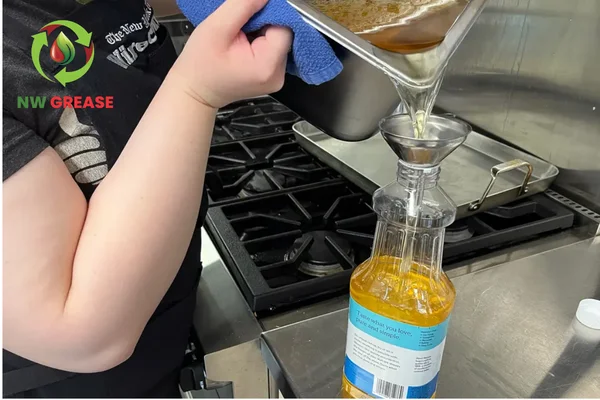
Fryer oil should never be poured down a drain, into a dumpster, or onto the ground outside. Instead, it should go into a dedicated, sealed collection container designed for used cooking oil recycling. This keeps your kitchen cleaner, reduces odor, and turns a waste product into something reusable.
4. Train Every Shift, Not Just Management
Grease habits break down when only managers understand the "why" behind them. Make sure line cooks, dishwashers, and new hires all understand proper disposal procedures during onboarding.
Weekly and Monthly Maintenance Tasks
Daily habits handle the small stuff, but grease traps and plumbing systems need regular, deeper attention too.
Local regulations vary, so it's worth checking with your city or county on how often grease traps need to be serviced for your specific kitchen size and volume.
Understanding Grease Trap Maintenance
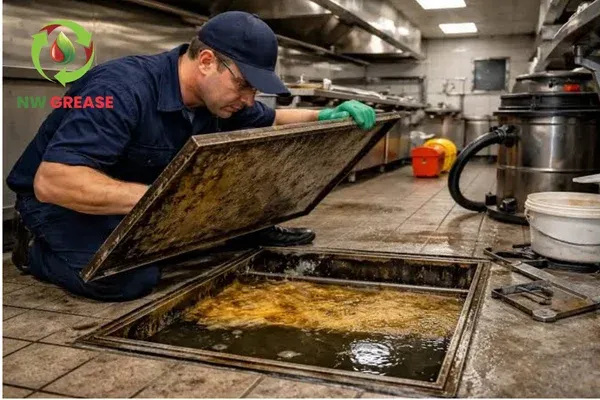
Your grease trap is the single most important piece of equipment standing between your kitchen and a plumbing disaster. It's designed to intercept fats, oils, and grease before they reach the municipal sewer line, but it can only do that job if it's maintained properly.
Signs Your Grease Trap Needs Attention
Slow-draining sinks, especially in the dish pit
A sour or rotten odor near the kitchen drains
Gurgling sounds coming from pipes
Grease visibly backing up into sinks
An increase in fruit flies or small pests near drains
If you see any of these signs, then don't delay.
A trap that's allowed to overflow can send grease straight into your sewer connection, which is exactly the kind of situation that leads to costly emergency service calls and possible fines.
How Often Should You Clean Your Grease Trap?
This is one of the most common questions restaurant owners ask, and the answer depends on your kitchen's size, menu, and volume. As a general guideline, most commercial kitchens should have their traps cleaned every one to three months. High-volume kitchens, like those in busy diners or fast-food operations, often need service more frequently.
For a deeper breakdown of how to determine the right schedule for your specific kitchen, take a look at our detailed guide on oil recycling near me, which walks through the factors that influence how often your trap should be serviced.
If you're searching for grease trap cleaning near me, it's worth choosing a provider who understands local compliance requirements in Washington and Oregon, not just a generic waste hauler. Local knowledge matters when it comes to disposal regulations and inspection standards.
Used Cooking Oil Recycling: More Than Just Cleanup
It's easy to think of used cooking oil as simply waste that needs to disappear. In reality, it's a resource. Recycled cooking oil is commonly converted into biodiesel, animal feed additives, and other industrial products. When your kitchen partners with a responsible recycling service, that used oil gets a second life instead of clogging a landfill or a sewer line.
Choosing a consistent used cooking oil recycling partner offers several advantages:
Free or paid pickup, depending on your oil volume and local market conditions
Reduced fire risk, since old oil isn't sitting around in unsafe containers
Better kitchen hygiene, with fewer odors and less pest activity
Environmental responsibility, supporting sustainability goals many restaurants now promote to customers
Simplified compliance, since documented recycling often supports FOG compliance records
If you're comparing services, it's worth searching oil recycling near me to find a provider who can offer reliable, scheduled pickups rather than a one-time service. Consistency is what actually prevents problems, not a single cleanup.
For restaurants interested in learning more about how recycled cooking oil supports broader sustainability efforts, resources like Start Green Commodities offer useful insight into how the recycling supply chain works and where recovered oil ultimately ends up.
Common Mistakes Commercial Kitchens Make
Even well-run kitchens fall into these traps. Recognizing them is the first step to fixing them.
Mistake #1: Waiting Until There's a Problem Reactive maintenance always costs more than preventive maintenance. Waiting for a clog or an odor complaint means you're already dealing with damage.
Mistake #2: Using the Wrong Size Grease Trap A trap that's too small for your kitchen's volume will need constant servicing no matter how well you maintain it. If you're consistently having issues, it may be worth having your system evaluated.
Mistake #3: Inconsistent Staff Training Turnover is high in food service. If disposal habits aren't reinforced regularly, bad habits creep back in within weeks.
Mistake #4: Choosing the Cheapest Recycling Provider Without Checking Reliability A missed pickup can mean overflowing containers, odor complaints, and even pest issues. Reliability matters more than a slightly lower price.
Mistake #5: Ignoring Hood and Exhaust Maintenance Grease doesn't just build up in pipes. Airborne grease from cooking accumulates in your exhaust hood system, creating a genuine fire hazard if left unchecked.
Expert Tips for Long-Term Grease Control
Assign ownership. Designate one staff member per shift responsible for checking oil containers and drain conditions.
Keep a maintenance log. Documenting grease trap cleanings and oil pickups helps with compliance and makes patterns easier to spot.
Schedule around your busiest days. Have your grease trap serviced before your highest-volume days, not after.
Invest in enzyme treatments cautiously. Some enzyme products can help break down minor grease buildup between cleanings, but they should never replace scheduled trap servicing.
Build a relationship with your recycling provider. A provider familiar with your kitchen's rhythm can anticipate your needs and flag issues before they escalate.
Key Takeaways
Grease problems are almost always preventable with consistent, structured maintenance.
Daily habits like scraping plates and using sink strainers make a bigger difference than most kitchens realize.
Grease traps need regular servicing based on your kitchen's actual volume, not a generic schedule.
Used cooking oil recycling isn't just disposal. It's a sustainable, responsible way to handle a valuable byproduct.
Searching for grease trap cleaning near me or oil recycling near me should lead you to a provider who understands local compliance, not just a hauling service.
Frequently Asked Questions
1. How often should a commercial kitchen clean its grease trap? Most kitchens need service every one to three months, though high-volume operations may need it more frequently. Local health codes often set minimum requirements as well.
2. Can I pour used cooking oil down the drain if it's a small amount? No. Even small amounts of oil contribute to buildup over time and can eventually cause significant blockages. Always use a dedicated collection container.
3. What's the difference between grease trap cleaning and grease trap pumping? Pumping typically removes the liquid and solid waste from the trap, while cleaning may also involve scrubbing the trap's interior surfaces. Many service providers do both during a single visit.
4. Is used cooking oil recycling actually free? It depends on your provider and your kitchen's oil volume. Many recycling companies offer free pickup for kitchens producing a consistent volume of used oil, since the oil itself has resale value.
5. What happens to recycled cooking oil after pickup? It's typically processed and converted into products like biodiesel or industrial additives, giving it a second useful life instead of becoming waste.
6. How do I know if my grease trap is too small for my kitchen? If you're needing service far more often than industry averages suggest, or you're experiencing frequent backups despite regular cleaning, it may be worth having a professional assess whether your trap is properly sized for your volume.
7. Do food trucks need grease trap maintenance too? Food trucks typically don't have traditional grease traps, but they still need proper used cooking oil collection and disposal practices to stay compliant with local regulations.
8. What's the best way to train staff on grease management? Keep it simple and visual. Post clear instructions near disposal stations, include grease habits in onboarding, and do periodic refreshers, especially after busy seasons when turnover tends to spike.
Final Thoughts
Grease maintenance isn't glamorous, but it's one of the most reliable ways to protect your kitchen from downtime, unexpected costs, and compliance headaches. A little consistency goes a long way: train your staff, stick to a servicing schedule, and partner with a used cooking oil recycling provider you can count on.
If your kitchen is overdue for a grease trap cleaning or you're ready to set up reliable used cooking oil pickup, NWGrease is here to help. We proudly serve restaurants, hotels, schools, and commercial kitchens throughout Washington and Oregon with dependable, compliant grease management services. Reach out to schedule your next service and take one more thing off your plate.