The Dirty Truth About Grease Buildup in Commercial Kitchens
Table of Contents
Introduction: The Hidden Problem Beneath Your Kitchen
What Is Grease Buildup and Why It’s Worse Than You Think
How Grease Trap Systems Are Supposed to Work
Why Grease Trap Cleaning Is Non-Negotiable for Restaurants
The Real Dangers of Ignoring Grease Buildup
Grease, FOG, and the Silent Damage to Plumbing
Health Code Violations and Costly Fines
Fire Hazards Caused by Excess Grease
The Role of Used Cooking Oil Collection in Grease Prevention
Restaurant Oil Disposal: Where Most Kitchens Go Wrong
Environmental Impact of Improper Oil and Grease Disposal
How Grease Buildup Affects Kitchen Efficiency and Staff Morale
Signs Your Grease Trap Is Overdue for Cleaning
How Often Should Grease Trap Cleaning Be Done?
Best Practices for Managing Kitchen Grease Daily
Why Professional Grease Trap Cleaning Matters
The Long-Term Cost Savings of Proper Grease Management
Choosing the Right Grease and Oil Service Partner
How NW Grease Helps Restaurants Stay Compliant and Clean
Final Thoughts: Clean Kitchens Start Below the Surface
Introduction: The Hidden Problem Beneath Your Kitchen
In a busy commercial kitchen, grease is unavoidable. From sizzling fryers and sauté stations to dishwashers and prep sinks, fats, oils, and grease (commonly known as FOG) are produced every single day. While most restaurant owners focus on keeping visible surfaces spotless, the real danger often lies out of sight deep inside pipes, drains, and grease traps.
Grease buildup is one of the most common yet misunderstood problems in commercial kitchens. It doesn’t happen overnight, and because it’s largely invisible, it’s easy to ignore until something goes wrong. Overflowing grease traps, foul odors, plumbing backups, pest infestations, failed inspections, and even kitchen fires can all be traced back to one root cause: poor grease management.
This guide uncovers the dirty truth about grease buildup, why grease trap cleaning is essential, and how used cooking oil collection and proper restaurant oil disposal protect your kitchen, your business, and the environment.
What Is Grease Buildup and Why It’s Worse Than You Think
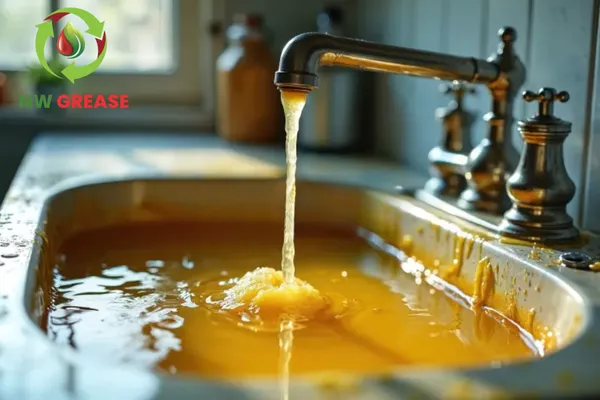
Grease buildup occurs when fats, oils, and grease enter plumbing systems and begin to cool and solidify. While hot oil flows easily down drains, it hardens as it cools, sticking to pipe walls and grease trap interiors.
Over time, layers of grease accumulate, narrowing pipes and reducing water flow. What starts as a thin film eventually becomes a thick, stubborn blockage that traps food particles, bacteria, and debris.
The problem? Grease buildup doesn’t just slow drains it creates the perfect storm of sanitation, safety, and compliance risks that can shut down a commercial kitchen without warning.
How Grease Trap Systems Are Supposed to Work
Grease traps are designed to intercept FOG before it enters municipal sewer systems. When wastewater flows through the trap:
Grease and oils float to the top
Solids sink to the bottom
Cleaner water exits into the sewer line
This separation process works only if the grease trap is regularly cleaned. When traps are neglected, grease fills the tank completely, allowing FOG to pass through untreated defeating the entire purpose of the system.
Why Grease Trap Cleaning Is Non-Negotiable for Restaurants
Routine grease trap cleaning isn’t optional it’s a legal, operational, and financial necessity.
Health departments, fire marshals, and local wastewater authorities all require commercial kitchens to maintain grease traps properly. Failure to comply can result in:
Fines and citations
Failed inspections
Temporary or permanent shutdowns
Costly emergency plumbing repairs
More importantly, clean grease traps protect your kitchen from preventable disasters.
The Real Dangers of Ignoring Grease Buildup
Ignoring grease buildup doesn’t just create inconvenience it creates serious risks.
1. Plumbing Backups and Flooding
Clogged pipes lead to wastewater backing up into sinks, floor drains, and dishwashing stations. This can shut down service immediately and require emergency repairs.
2. Overpowering Odors
Rotting grease emits sulfur-like smells that spread throughout the kitchen and dining area, damaging customer experience and brand reputation.
3. Pest Infestations
Grease attracts rodents, cockroaches, and flies. Once pests are present, health violations quickly follow.
Grease, FOG, and the Silent Damage to Plumbing
FOG doesn’t just block pipes it corrodes them. Over time, grease buildup accelerates wear on plumbing systems, increasing the likelihood of cracks, leaks, and pipe collapse.
Municipal sewer systems are also affected. When grease enters public lines, it contributes to massive blockages known as “fatbergs,” which cities spend millions to remove annually.
This is why local authorities strictly enforce grease management regulations.
Health Code Violations and Costly Fines
Health inspectors pay close attention to grease traps, drains, and oil handling practices. Violations can include:
Grease trap over capacity
Improper restaurant oil disposal
Evidence of grease entering sewer systems
Foul odors or visible buildup
Repeated violations can lead to escalating penalties and loss of operating permits.
Fire Hazards Caused by Excess Grease
Grease is highly flammable. When grease accumulates in drains, traps, hoods, and ductwork, it significantly increases fire risk.
Kitchen fires fueled by grease spread rapidly and are notoriously difficult to extinguish. Regular grease trap cleaning and proper oil handling dramatically reduce this danger.
The Role of Used Cooking Oil Collection in Grease Prevention
One of the most overlooked aspects of grease control is used cooking oil collection. When staff improperly pour oil down drains, grease traps are overwhelmed far faster than designed.
Professional oil collection services ensure that used fryer oil is:
Stored safely
Picked up regularly
Recycled responsibly
This prevents unnecessary grease load on traps and plumbing systems while supporting sustainability goals.
For restaurants looking to improve environmental responsibility, working with partners like Start Green Commodities helps ensure used oil is recycled into biodiesel and renewable energy instead of becoming waste.
Restaurant Oil Disposal: Where Most Kitchens Go Wrong
Improper restaurant oil disposal is one of the leading causes of grease problems. Common mistakes include:
Pouring oil into sinks or floor drains
Using makeshift containers without lids
Skipping scheduled oil pickups
Allowing staff to guess disposal procedures
Clear policies, staff training, and professional collection services eliminate these risks entirely.
Environmental Impact of Improper Oil and Grease Disposal
When grease enters sewer systems, it doesn’t just damage pipes it pollutes waterways. Oil spills contaminate soil and water, harming wildlife and increasing municipal treatment costs.
Responsible grease management protects local ecosystems while keeping your business compliant with environmental regulations.
How Grease Buildup Affects Kitchen Efficiency and Staff Morale
Grease problems slow everything down. Drains back up, dishwashers malfunction, and cleanup becomes more difficult. Staff frustration rises, productivity drops, and service quality suffers.
A clean, well-maintained kitchen runs smoother and happier teams perform better.
Signs Your Grease Trap Is Overdue for Cleaning
Watch for these red flags:
Slow or gurgling drains
Persistent odors near sinks
Grease visible in drains
Overflowing grease trap
Recent inspection warnings
If you notice even one of these signs, immediate grease trap cleaning is necessary.
How Often Should Grease Trap Cleaning Be Done?
The frequency depends on kitchen size and volume, but general guidelines include:
High-volume restaurants: every 1–2 months
Moderate operations: every 2–3 months
Low-volume kitchens: quarterly
Local regulations may require more frequent service. Regular scheduling prevents emergencies and keeps operations compliant.
Best Practices for Managing Kitchen Grease Daily
Daily habits make a massive difference:
Scrape food scraps into trash, not drains
Wipe greasy pans before washing
Train staff on oil disposal procedures
Monitor grease trap levels weekly
Schedule consistent professional service
These small steps dramatically reduce grease buildup over time.
Why Professional Grease Trap Cleaning Matters
DIY cleaning doesn’t work. Professional grease trap cleaning ensures:
Complete removal of grease and solids
Proper waste disposal
Accurate documentation for inspections
Compliance with local regulations
Professionals have the equipment and expertise to do the job safely and thoroughly.
The Long-Term Cost Savings of Proper Grease Management
While routine service has a cost, ignoring grease is far more expensive. Preventive grease trap cleaning helps avoid:
Emergency plumbing repairs
Business downtime
Fire damage
Health department fines
In the long run, proactive grease management saves thousands of dollars annually.
Choosing the Right Grease and Oil Service Partner
A reliable partner should offer:
Scheduled grease trap cleaning
Used cooking oil collection
Transparent reporting
Regulatory compliance
Emergency support
Restaurants that consolidate services with one trusted provider simplify operations and reduce risk.
How NW Grease Helps Restaurants Stay Compliant and Clean
At NW Grease, we understand the real-world challenges of commercial kitchens. Our services are designed to protect your business from the ground up.
From professional grease trap cleaning to responsible oil handling, we help restaurants meet regulations while maintaining clean, efficient kitchens. Learn more about proper oil handling by visiting our guide on used cooking oil disposal and discover how the right practices can prevent costly grease issues before they start.
Final Thoughts: Clean Kitchens Start Below the Surface
Grease buildup may be hidden, but its consequences are impossible to ignore. From plumbing failures and fire hazards to health code violations and environmental damage, unmanaged grease puts every commercial kitchen at risk.
By prioritizing grease trap cleaning, implementing responsible used cooking oil collection, and following proper restaurant oil disposal practices, restaurant owners protect their operations, staff, customers, and community.