Why High-Volume Restaurants Need More Frequent Oil Pickups
Introduction:
Running a busy restaurant comes with countless daily responsibilities. From serving customers quickly to maintaining food quality and ensuring kitchen safety, every process must operate efficiently. One area that often gets overlooked is used cooking oil recycling. While it may seem like a minor operational task, managing used cooking oil properly can significantly impact cleanliness, safety, compliance, operational costs, and even your business reputation.
High-volume restaurants produce far more used cooking oil than small cafés or local diners. Fryers work continuously throughout the day, meaning cooking oil reaches the end of its usable life much faster. Without a reliable waste cooking oil collection service, storage containers fill rapidly, increasing the risk of spills, odors, pest infestations, and safety hazards.
Scheduling more frequent oil pickups isn't just about convenience it's a strategic business decision that protects employees, customers, and the environment while keeping your kitchen running at peak efficiency.
In this guide, we'll explore why high volume restaurants require more frequent oil collection, how used cooking oil recycling benefits businesses, what risks arise from delayed pickups, and how choosing the right recycling partner can improve your restaurant operations.
Understanding Used Cooking Oil Recycling
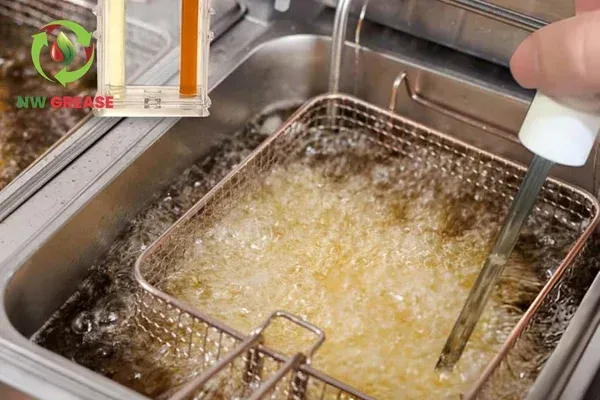
Every commercial kitchen that operates deep fryers generates used cooking oil. After repeated heating cycles, cooking oil begins to break down. It loses frying performance, develops unpleasant flavors, darkens in color, and creates more smoke during cooking.
At this point, the oil should never be poured into drains, dumpsters, or regular trash containers. Instead, it should enter a professional used cooking oil recycling program where it can be safely collected, transported, processed, and converted into valuable renewable products such as biodiesel, animal feed ingredients, industrial lubricants, and other sustainable resources.
Professional recycling services ensure restaurants remain compliant with environmental regulations while reducing waste and supporting circular economy initiatives.
Businesses searching for oil recycling near me often discover that partnering with an experienced collection company provides far greater value than simply disposing of waste.
Why High Volume Restaurants Produce More Waste Oil
Not every restaurant generates the same amount of waste cooking oil.
High volume restaurants include:
Fast food chains
Fried chicken restaurants
Seafood restaurants
Buffet restaurants
Stadium food vendors
Large cafeterias
Hotels
University dining halls
Hospital kitchens
Catering facilities
These establishments may operate dozens of fryers continuously from morning until late night.
As customer demand increases:
Fryers remain active longer.
Oil degrades more rapidly.
Storage containers fill faster.
Collection frequency must increase.
Restaurants serving thousands of meals every week simply cannot rely on the same pickup schedule as smaller establishments.
The Hidden Risks of Delayed Oil Pickups
Many restaurant owners underestimate the consequences of allowing waste oil to accumulate.
Overflowing Storage Containers
The most obvious issue is overflowing oil bins.
When collection tanks reach capacity, employees often resort to temporary containers, buckets, or drums. This creates clutter inside busy kitchens and increases the likelihood of accidents.
Overflowing containers also make it difficult for staff to safely transport fresh waste oil.
Increased Fire Hazards
Cooking oil is highly combustible.
Although used oil has a higher flash point than fresh oil, improper storage near kitchen equipment can increase fire risks.
More stored oil means:
Greater fuel load
Higher accident potential
Increased liability
Routine pickups reduce these risks significantly.
Slip and Fall Accidents
Small spills happen frequently during busy kitchen operations.
When storage tanks remain full, employees have fewer safe places to transfer used oil.
Oil spills can create slippery floors that increase workplace injuries.
Frequent waste cooking oil collection service visits minimize overflow situations and keep workspaces cleaner.
Strong Odors
Old cooking oil develops unpleasant odors over time.
Vessels that are overfull can draw insects, rodents and other pests. Restaurants depend heavily on cleanliness.
Customers notice unpleasant smells immediately, even if they originate from storage areas.
Regular used cooking oil recycling prevents oil from sitting long enough to become a sanitation issue.
Food Quality Depends on Proper Oil Management
Many restaurant owners focus primarily on food quality.
Fresh cooking oil produces:
Better flavor
Crispier texture
Consistent color
Faster cooking
Improved customer satisfaction
Old oil causes:
Greasy food
Burnt taste
Dark appearance
Increased smoke
Poor customer reviews
Because high volume restaurants replace oil frequently, collection schedules should match replacement frequency.
Otherwise, waste oil storage quickly becomes a bottleneck.
Health and Safety Compliance
Commercial Kitchens need to meet local health and environmental requirements.
Inspectors often examine:
Waste storage practices
Spill prevention
Grease management
Sanitation
Employee safety
Improper oil storage may result in:
Health code violations
Fines
Cleanup costs
Insurance complications
Working with a professional waste cooking oil collection service helps maintain compliance while simplifying inspections.

Environmental Benefits of Used Cooking Oil Recycling
Every gallon of recycled cooking oil helps reduce environmental waste.
Instead of entering landfills or sewer systems, recycled oil becomes raw material for renewable products.
Benefits include:
Reduced Water Pollution
Pouring cooking oil into drains eventually blocks sewer systems.
Grease combines with debris to create massive blockages that municipalities spend millions repairing.
Proper used cooking oil recycling prevents this entirely.
Lower Carbon Emissions
Much of today's recycled cooking oil becomes biodiesel fuel.
Compared to petroleum diesel, biodiesel generally produces lower greenhouse gas emissions.
Restaurants indirectly contribute to cleaner transportation simply by recycling their waste oil.
Supports Circular Economy
Rather than becoming waste, used oil gains a second life.
It may become:
Renewable fuel
Industrial chemicals
Agricultural products
Lubricants
Manufacturing ingredients
Nothing goes to waste.
Operational Efficiency Improves with Frequent Pickups
Busy kitchens depend on efficient workflows.
Overflowing oil containers interrupt operations because staff must constantly monitor storage capacity.
Frequent pickups provide:
Cleaner storage areas
Faster oil disposal
Better organization
Reduced downtime
Improved employee productivity
Instead of worrying about full tanks, staff can remain focused on preparing food and serving customers.
Preventing Costly Emergency Cleanups
Oil spills are expensive.
Cleanup may involve:
Professional cleaning services
Employee overtime
Temporary kitchen shutdowns
Equipment damage
Lost business
Regular collection dramatically lowers these risks.
Preventative maintenance always costs less than emergency response.
Protecting Restaurant Equipment
Waste oil management affects more than storage containers.
Improper disposal practices may damage:
Pumps
Drain systems
Grease interceptors
Flooring
Waste handling equipment
Professional used cooking oil recycling keeps these systems functioning properly while reducing long-term maintenance costs.
Customer Perception Matters
Customers may never see your waste oil storage area.
However, they notice:
Clean facilities
Fresh smelling restaurants
Professional operations
Hygienic kitchens
Businesses that prioritize cleanliness build stronger customer trust.
Good operational practices behind the scenes contribute directly to better customer experiences.
Employee Satisfaction Improves
Employees prefer safe workplaces.
Nobody enjoys handling overflowing oil containers or cleaning unnecessary spills.
Frequent pickups reduce:
Heavy lifting
Manual transfers
Accident risks
Stress during busy shifts
A safer workplace often leads to improved morale and lower turnover.
Sustainability Strengthens Your Brand
Today's consumers increasingly support environmentally responsible businesses.
Restaurants that actively participate in used cooking oil recycling demonstrate commitment to sustainability.
Many businesses proudly communicate their environmental initiatives through:
Websites
Social media
Restaurant signage
Sustainability reports
These efforts strengthen brand reputation and appeal to environmentally conscious customers.
Choosing the Right Waste Cooking Oil Collection Service
Not every collection provider offers the same level of service.
Look for a company that provides:
Reliable scheduling
Emergency pickups
Secure storage containers
Spill prevention
Regulatory compliance
Professional customer support
Environmentally responsible recycling
If your restaurant consistently searches for oil recycling near me, prioritize providers with experience serving high volume commercial kitchens and flexible pickup schedules.
Signs Your Restaurant Needs More Frequent Pickups
Many restaurant owners wait until problems appear.
Instead, watch for these warning signs:
Storage containers fill before scheduled pickup.
Employees struggle to dispose of oil.
Oil spills occur regularly.
Strong odors develop.
Pest activity increases.
Storage areas appear overcrowded.
Fryer oil replacement frequency increases.
If several of these issues sound familiar, your current collection schedule likely needs adjustment.
Building a Sustainable Kitchen Operation
Oil management should be part of every restaurant's operational strategy.
Successful kitchens establish clear procedures:
Replace fryer oil regularly.
Store used oil safely.
Train employees properly.
Schedule reliable collections.
Monitor storage capacity.
Maintain recycling documentation.
Restaurants looking to improve their disposal process can also review this helpful guide on proper used cooking oil disposal:
Additionally, businesses interested in understanding how recycled cooking oil contributes to global sustainability and renewable commodity markets can learn more through Start Green Commodities, which highlights the growing importance of renewable resources in modern industries.
Technology Is Improving Oil Collection
Modern recycling companies now use advanced technologies to improve service quality.
Many providers offer:
Smart monitoring systems
Automated pickup scheduling
Digital reporting
Secure storage tanks
Leak-resistant equipment
These innovations reduce manual work while ensuring restaurants never experience overflowing containers.
Long-Term Financial Benefits
Although frequent pickups may appear to increase service frequency, they often reduce total operational costs.
Restaurants save money by avoiding:
Plumbing repairs
Emergency cleanups
Health violations
Fire hazards
Equipment damage
Employee injuries
Pest control expenses
Efficient used cooking oil recycling is an investment rather than an expense.
Why NWGrease.com Is a Trusted Partner
At NWGrease.com, we understand the unique challenges faced by high-volume restaurants. Our reliable waste cooking oil collection service is designed to keep commercial kitchens clean, safe, and fully compliant with environmental regulations.
Whether you operate a fast-food franchise, hotel kitchen, cafeteria, catering business, or multi-location restaurant, our experienced team provides dependable collection schedules tailored to your oil production volume. Instead of worrying about overflowing storage containers or unexpected service delays, you can focus on delivering exceptional food and customer experiences while we handle your used cooking oil responsibly.
From secure storage solutions to environmentally responsible used cooking oil recycling, NWGrease.com is committed to helping restaurants operate more efficiently while supporting a cleaner, greener future.
Conclusion
High volume restaurants generate significantly more waste cooking oil than smaller food establishments, making frequent collection an essential part of efficient kitchen management. Delaying pickups increases the risk of spills, workplace injuries, unpleasant odors, pest infestations, equipment damage, and regulatory issue all of which can negatively impact daily operations and profitability.
A dependable waste cooking oil collection service ensures that used oil is removed before storage becomes a problem, allowing your staff to work safely and efficiently. At the same time, used cooking oil recycling transforms what would otherwise be waste into valuable renewable resources, helping businesses reduce their environmental footprint while contributing to a more sustainable future.
If you've been searching for oil recycling near me, choosing a trusted recycling partner is one of the smartest operational decisions you can make. By maintaining a proactive collection schedule and partnering with experienced professionals like NWGrease.com, your restaurant can protect its employees, improve food quality, stay compliant with regulations, and strengthen its reputation as a responsible, environmentally conscious business for years to come.