What Happens to Your Used Cooking Oil After Pickup?
Introduction:
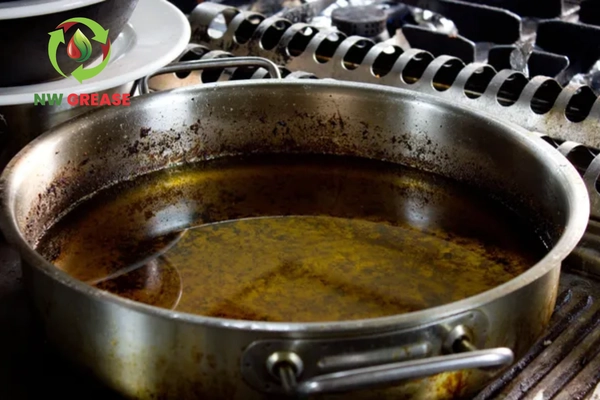
Used cooking oil is something most restaurants deal with every single day, yet very few fully understand what actually happens after it leaves the kitchen. Once the fryer is turned off and the oil is no longer usable, it doesn’t just disappear it begins a carefully managed recycling journey that transforms waste into valuable resources like biodiesel, industrial fuel, and other eco-friendly products.
Understanding this process is important not only for sustainability but also for compliance, cost savings, and better kitchen management. Modern used cooking oil recycling systems ensure that what was once considered waste becomes part of a circular economy that benefits both businesses and the environment.
In this guide, we’ll take you step-by-step through what really happens after a professional waste cooking oil collection service picks up your oil, and how Restaurant Cooking Oil Recycling plays a major role in building a cleaner, more efficient future.
Why Used Cooking Oil Collection Matters for Restaurants
Every restaurant generates a significant amount of used oil, especially those that rely heavily on frying. If not handled properly, this oil can cause:
Drain blockages
Grease trap overflows
Bad kitchen odors
Environmental pollution
Health and safety violations
This is why professional collection services exist. A reliable system ensures oil is stored, transported, and recycled safely without harming your kitchen operations.
Step 1: Collection From Restaurants (The Pickup Stage)
The journey begins when a trained service provider arrives at your restaurant. This is the basis of the activities of the waste cooking oil collection service.
How the pickup process works:
Oil is stored in sealed containers or tanks
Collection trucks arrive on a scheduled basis
Workers check volume levels and safety conditions
Oil is carefully pumped or transferred into secure transport tanks
This step is critical because contamination must be avoided. Even small amounts of water, food particles, or cleaning chemicals can affect the recycling process later.
Professional collectors ensure that everything is handled in a clean, controlled, and spill-free environment.
Step 2: Safe Transportation to Recycling Facilities
Once collected, the used cooking oil is transported to specialized recycling facilities. These facilities are designed specifically to handle large volumes of waste oil safely.
During transportation:
Tanks remain fully sealed
Temperature is controlled to prevent leaks or degradation
GPS tracking may be used for logistics monitoring
Safety regulations are strictly followed
This ensures that no environmental contamination occurs during transit. At this stage, your waste oil is no longer just “kitchen waste” it is now a raw material ready for transformation.
Step 3: Pre-Processing and Filtration
When the oil arrives at the facility, it goes through an initial cleaning process.
What happens here:
Large debris is removed (food particles, crumbs, sediments)
Water separation begins
Solid impurities are filtered out
Oil is tested for quality and consistency
This step is essential because clean oil produces higher-quality end products. Even though the oil is “used,” it still contains valuable components that can be extracted and reused.
Step 4: Rendering and Refining Process
After filtration, the oil enters a rendering or refining stage. This is where the real transformation begins.
Key processes include:
Heating the oil to separate remaining impurities
Chemical processing to neutralize contaminants
Breaking down fats into usable components
Removing odor and color inconsistencies
At this point, the oil is no longer recognizable as kitchen waste. It becomes a purified raw material ready for industrial applications.
This is one of the most important stages in used cooking oil recycling, as it determines the quality of the final output.
Step 5: Conversion Into Biodiesel and Renewable Fuel
One of the most common uses for recycled cooking oil is biodiesel production.
How it works:
Refined oil is chemically processed (transesterification)
It is converted into fatty acid methyl esters (FAME)
These compounds become biodiesel fuel
Biodiesel is used in:
Trucks and transport fleets
Agricultural machinery
Industrial generators
Heating systems
This process significantly reduces dependence on fossil fuels and lowers greenhouse gas emissions.
Step 6: Industrial and Commercial Applications
Not all recycled oil becomes biodiesel. Some of it is used in other industries.
Common applications include:
Soap and detergent manufacturing
Industrial lubricants
Animal feed additives (regulated processes only)
Bio-based chemicals
Energy production
This versatility is what makes Restaurant Cooking Oil Recycling so valuable. Instead of becoming waste, the oil becomes part of multiple production cycles.
Environmental Benefits of Used Cooking Oil Recycling
Recycling cooking oil is not just a business decision it’s an environmental responsibility.
Key environmental benefits:
Reduces water pollution from improper disposal
Prevents sewer system blockages
Lowers carbon emissions through biodiesel production
Reduces landfill waste
Supports circular economy systems
Without proper recycling systems, used oil often ends up in drains, causing serious environmental damage. A structured waste cooking oil collection service prevents this entirely.
Economic Benefits for Restaurants
A lot of restaurant owners are not aware of the economic value of used oil.
Financial advantages include:
Reduced maintenance costs for plumbing and grease traps
Longer lifespan for kitchen equipment
Possible rebates or compensation from recyclers
Lower waste disposal costs
Improved operational efficiency
Instead of treating oil as waste, restaurants can treat it as a recoverable asset.
The Role of Restaurant Cooking Oil Recycling Programs
Modern Restaurant Cooking Oil Recycling programs are designed to make the entire process seamless for businesses.
These programs typically include:
Scheduled oil pickups
Secure storage containers
Compliance documentation
Emergency spill response support
Tracking and reporting systems
They ensure restaurants remain compliant with environmental regulations while maintaining a clean and efficient kitchen.
What Happens If Oil Is NOT Recycled Properly?
Improper disposal of used cooking oil can lead to serious problems.
Common issues include:
Sewer blockages and plumbing damage
Fines and regulatory penalties
Increased pest activity
Fire hazards in kitchens
Environmental contamination
Pouring oil down the drain may seem convenient, but it creates long-term problems that are expensive and harmful.
Common Myths About Used Cooking Oil
Let’s clear up some misconceptions:
Myth 1: Used oil is worthless
Reality: It is a valuable raw material for biodiesel and industrial products.
Myth 2: Recycling is complicated
Reality: Professional services handle everything from pickup to processing.
Myth 3: All oil is the same after use
Reality: Quality depends on handling, filtration, and storage practices.
Myth 4: Recycling doesn’t matter
Reality: It plays a major role in reducing environmental pollution.
How to Choose the Right Oil Recycling Partner
Choosing the right provider is essential for smooth operations.
Look for:
Licensed and certified collection services
Reliable pickup schedules
Transparent processes
Strong environmental compliance
Good customer support
A trusted partner ensures your oil is handled safely and efficiently from start to finish.
Internal Resource for Better Understanding
If you want to explore more about responsible oil handling systems, check this detailed guide on eco-friendly solutions:
It provides deeper insight into sustainable waste management practices for restaurants.
The Bigger Picture: Why This Process Matters
The journey of used cooking oil doesn’t end when it leaves your kitchen it actually begins a new life cycle that supports industries, reduces environmental damage, and promotes renewable energy.
From pickup to processing, refining, and reuse, every step in used cooking oil recycling contributes to a cleaner and more efficient world.
Restaurants that actively participate in Restaurant Cooking Oil Recycling are not just managing waste they are contributing to global sustainability efforts.
Final Thoughts
So, what really happens to your used cooking oil after pickup?
It gets collected through a structured waste cooking oil collection service, transported safely, cleaned, refined, and transformed into valuable products like biodiesel and industrial materials. What starts as kitchen waste becomes a resource that fuels vehicles, powers industries, and supports a greener future.
By partnering with professional recycling services, restaurants not only protect their kitchen systems but also contribute to environmental responsibility and long-term cost savings.