Why Used Cooking Oil Is Now a Valuable Commodity in the U.S.
Introduction:
Not long ago, most kitchens viewed used oil as a disposal problem. Improper dumping clogged drains, overwhelmed grease traps, and polluted sewer systems. Over time, environmental regulations tightened, and industries began looking for better solutions.
What Changed?
Several major shifts turned used cooking oil into a high-demand resource:
Growth of renewable energy
Rising fuel costs
Environmental regulations
Sustainability commitments
Advances in recycling technology
Used cooking oil is no longer “waste.” It’s a feedstock raw material used to produce clean energy and industrial products.
Why the U.S. Market Values Used Cooking Oil So Highly
The demand for recycled oil has surged nationwide, and it’s not slowing down.
1. Biodiesel & Renewable Fuel Production
One of the biggest drivers is biodiesel. Used cooking oil is an ideal ingredient for:
Biodiesel
Renewable diesel
Sustainable aviation fuel
These fuels burn cleaner than petroleum-based fuels and help reduce carbon emissions.
2. Federal & State Sustainability Goals
The U.S. government continues to invest in:
Renewable energy targets
Carbon reduction programs
Clean fuel incentives
Recycled cooking oil helps fuel these programs literally.
3. Corporate ESG Commitments
Large corporations are committing to:
Net-zero emissions
Sustainable supply chains
Responsible waste management
This has increased demand for recycled oils across multiple industries.
How Restaurants Fit Into the Used Cooking Oil Economy
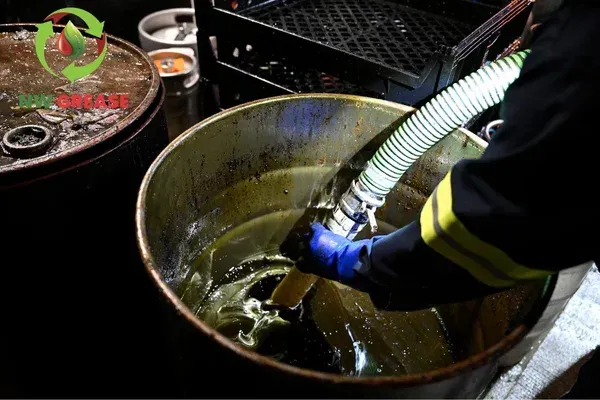
Restaurants are the primary source of used cooking oil. Every fryer, grill, and flat top contributes to a steady supply of oil that can be reused instead of wasted.
Your Kitchen Is a Supply Chain
When restaurants:
Store oil correctly
Avoid contamination
Use professional collection services
They become a critical link in a nationwide recycling system.
Restaurant Cooking Oil Recycling: More Than Just Disposal
Restaurant Cooking Oil Recycling is no longer a background task it’s an operational strategy.
What Happens to Your Used Oil?
After pickup, used cooking oil is:
Filtered
Cleaned
Processed
Converted into fuel or industrial products
Nothing is wasted when recycling is done correctly.
Why Proper Grease Trap Cleaning Still Matters
Some restaurant owners assume oil recycling eliminates the need for grease trap maintenance. That’s a costly mistake.
Grease Traps Protect the System
Even with recycling:
Grease enters drains during cleaning
Food particles carry fats and oils
Improper habits overload traps
Regular grease trap cleaning prevents:
Sewer backups
Odors
Health code violations
Emergency plumbing repairs
Recycling and grease traps work together not separately.
For a deeper look at compliance and disposal requirements, see this internal guide on oil disposal regulations:
Why Waste Cooking Oil Collection Services Are in High Demand
As oil becomes more valuable, professional handling is critical.
What a Waste Cooking Oil Collection Service Provides
Sealed, leak-proof containers
Scheduled pickups
Spill-free transfers
Documentation for compliance
Environmentally responsible recycling
DIY oil disposal simply can’t meet modern standards.
The Risks of Mishandling a Valuable Commodity
As demand rises, so do regulations and enforcement.
Common Problems Restaurants Face
Oil theft
Container contamination
Leaks and spills
Missed pickups
Improper storage
Each issue reduces oil value and increases liability.
The Financial Impact for Restaurants
While restaurants may not always receive direct payment for oil, they benefit financially in multiple ways.
Cost Savings Include
Fewer plumbing emergencies
Reduced sewer fines
Lower grease trap failures
Smoother inspections
Cleaner facilities
Avoiding just one emergency drain backup can save thousands.
Why Cities & Utilities Care About Used Cooking Oil
Municipal sewer systems suffer the most from improper oil disposal.
The Cost of FOG (Fats, Oils & Grease)
Blocked sewer lines
Sanitary sewer overflows
Environmental cleanup costs
Infrastructure damage
Recycling oil keeps FOG out of public systems.
How Regulations Increased Oil’s Value
Stricter laws didn’t reduce oil availability they increased its worth.
Regulations Created Demand
When dumping became illegal:
Proper disposal became mandatory
Recycling infrastructure expanded
Collection services grew
Market value increased
Used oil became a regulated, trackable commodity.
The Role of Industry Education & Infrastructure
Companies like Kernuco play a key role in helping businesses understand responsible grease and oil handling. Their work highlights how recycled oil protects sewer systems while supporting renewable energy initiatives.
Why Oil Theft Is Increasing
As oil becomes valuable, theft has become a real issue.
Why Thieves Target Used Oil
Easy access
High resale value
Minimal security
How Restaurants Can Prevent Theft
Lockable containers
Secure storage areas
Scheduled pickups
Professional service partners
Protecting oil protects compliance and revenue.
The Environmental Benefits of Oil Recycling
Recycling isn’t just profitable it’s responsible.
Environmental Wins
Reduces landfill waste
Prevents water pollution
Lowers greenhouse gas emissions
Supports clean fuel production
Every gallon recycled makes a difference.
Why Consistency Matters More Than Volume
Even small kitchens generate valuable oil.
Consistency Over Quantity
Regular pickups
Clean containers
Proper labeling
No contamination
Consistent practices maintain oil quality and value.
How Grease Trap Cleaning Supports Oil Value
Neglected grease traps:
Contaminate oil
Cause overflows
Lead to fines
Clean traps protect oil purity and plumbing health.
Training Staff to Protect Oil Value
Oil handling starts with people.
Staff Should Know
Never pour oil down drains
How to store oil safely
Why contamination matters
How spills reduce value
Education protects both safety and sustainability.
Why Restaurants Are Key to the Circular Economy
A circular economy means resources are reused not wasted.
Your Role
Restaurants supply:
Raw materials (used oil)
Consistent volume
Reliable quality
This keeps the recycling ecosystem alive.
How NW Grease Supports the Oil Recycling Chain
NW Grease helps restaurants:
Manage used cooking oil collection
Maintain grease traps
Stay compliant
Avoid costly emergencies
Participate in sustainable recycling
Reliable service ensures oil remains an asset not a liability.
Common Myths About Used Cooking Oil
Myth #1: Oil Is Just Trash
Reality: It’s renewable fuel feedstock.
Myth #2: Recycling Isn’t Worth the Effort
Reality: It prevents fines and saves money.
Myth #3: Grease Traps Aren’t Related
Reality: They’re essential to oil management.
The Future of Used Cooking Oil in the U.S.
Demand will continue to grow as:
Renewable fuel adoption increases
Environmental regulations tighten
Sustainability goals expand
Restaurants that adapt now will benefit long-term.
Simple Best Practices to Protect Oil Value
Use sealed containers
Prevent contamination
Schedule regular pickups
Clean grease traps consistently
Train staff
Partner with professionals
These small steps protect a big opportunity.
Conclusion: Used Cooking Oil Is No Longer Waste It’s an Asset
Used cooking oil has evolved into one of the most unexpected yet valuable commodities in the U.S. What once clogged drains now fuels cleaner energy and supports sustainable infrastructure.
By prioritizing:
Proper grease trap cleaning
Professional waste cooking oil collection service
Responsible Restaurant Cooking Oil Recycling
Restaurants protect their kitchens, avoid costly problems, and play a meaningful role in a growing green economy.
When oil is managed correctly, everyone benefits from your kitchen staff to your community to the environment.
And that’s why used cooking oil is no longer just waste it’s value.