Used Cooking Oil Recycling vs. Dumping: The True Cost Comparison
Introduction:
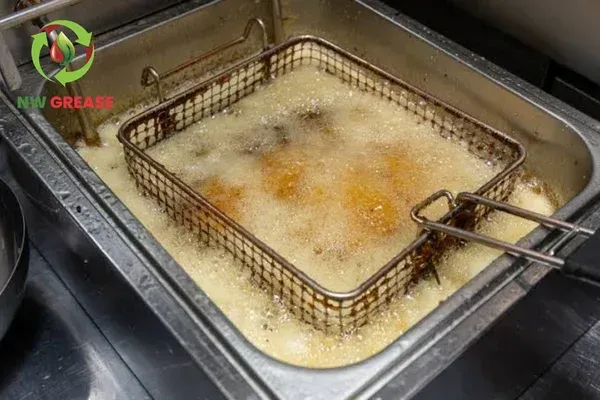
For commercial kitchens, the back-of-house operation is a delicate balancing act of speed, safety, and narrow profit margins. Every ingredient is accounted for, inventory is tracked down to the ounce, and labor costs are tightly managed. Yet, one of the most critical financial and operational factors in the entire kitchen often gets treated as an afterthought: what happens to the oil once it leaves the fryer?
When a shift ends and fryers need to be drained, kitchen staff face a fundamental operational choice. They can dump the degraded oil down the nearest drain, throw it into a standard trash dumpster, or manage it through a structured collection program.
To some, tipping old grease down the sink or throwing it in the trash feels like a zero-cost, quick-fix disposal method. In reality, dumping oil is one of the most expensive mistakes a food service establishment can make.
When you compare the immediate and long-term expenses of dumping versus a systematic partnership with a certified used cooking oil recycling service, the numbers tell an undeniable story.
Dumping doesn’t eliminate waste management costs it simply delays them, compounding the original volume into severe plumbing bills,Structural liabilities and city fines are two of the most significant of the many factors.On the other hand, carrying out contemporary restaurant sustainability requirements, and reduces costs.Sustainability practices help preserve infrastructure, maintain compliance of kitchens with local requirements and lower costs. municipal codes, and can even create a revenue stream from a waste stream. source.
1. The Immediate Visual: The Lifecycle of Waste Oil
To understand how these costs accumulate, it helps to track exactly what happens to a gallon of fryer grease under both scenarios.
When oil is dumped down the drain, it doesn't just flow smoothly out to the municipal water treatment facility. It cools, solidifies, binds with other solids, and creates major structural problems.
When it is systematically collected, it is completely diverted from infrastructure, moving directly into a closed-loop system where it becomes a high-value commodity.
2. The Hidden Line Items: The Actual Cost of Dumping Oil
To fully compare these methods, we have to look past the immediate convenience of pouring liquid down a drain and examine the actual expenses that follow. The true financial impact of dumping used cooking grease spans several operational areas.
Plumber Invoices and Emergency Hydro-Jetting
The laws of physics and chemistry dictate that liquid fats, oils, and grease (FOG) do not stay liquid for long. As hot fryer oil enters a kitchen's plumbing system, it quickly cools to the temperature of the underground pipes. As it cools, the oil undergoes a chemical transition, changing from a free-flowing fluid into a thick, wax-like solid.
This grease accumulation forms a sticky coating along the interior walls of your drain lines. Food particles, wet wipes, and other organic matter flowing down the system stick to this residue. Over weeks or months, this buildup creates restriction points, reducing pipe diameter until a complete backup occurs.
When a kitchen drain backs up during a busy Friday night dinner service, the operational cost is staggering:
Emergency Service Call Rates: Emergency plumbing dispatch rates during peak hours or weekends are often double or triple standard hourly fees.
Hydro-Jetting Expenses: Clearing heavy grease blockages requires specialized hydro-jetting equipment, which uses high-pressure water streams to cut through solidified fat. This service easily costs hundreds to thousands of dollars per incident.
Lost Operational Revenue: If a main line backs up into the dishwashing station or kitchen floor, health codes dictate that the facility must halt food preparation. Closing early due to a sewage backup means losing thousands of dollars in dinner sales, while still being liable for labor and ingredient costs.
Grease Trap Failures and Flooding Expenses
Commercial kitchens are equipped with grease traps or interceptors designed to catch FOG before it leaves the property and enters the municipal sewer mainline. However, these systems have a fixed physical capacity.
If kitchen staff regularly dump oil down the sinks rather than utilizing a dedicated collection tank, the grease trap will quickly become overwhelmed. When a grease trap exceeds its operational capacity, it experiences a dynamic bypass event, or worse, a physical backup.
A grease trap backup causes rancid, black water to flood the kitchen floor, creating severe slip-and-fall hazards for employees. Cleaning up a grease trap overflow requires specialized environmental remediation teams to extract the waste, sanitize the flooring, and eliminate deep odors.
Furthermore, replacing damaged subflooring, floor tiles, or baseboards ruined by grease-saturated water adds thousands of dollars in unexpected capital expenditures.
Municipal Fines, Regulatory Surcharges, and Litigations
Cities and municipal utility districts manage public sewer infrastructure under strict federal and state environmental mandates. When commercial kitchens dump massive amounts of grease into the public system, it forms large, solid blockages in municipal lines known as "fatbergs."
Cities trace these blockages back to their source by sampling wastewater from specific commercial cleanouts and inspecting local grease trap logs. If a municipality links a line blockage or sewer overflow to your restaurant, the financial penalties can be severe:
Direct Citation Fines: Civil penalties for violating local FOG ordinances frequently start at thousands of dollars per day for ongoing non-compliance.
Clean-Up Infrastructure Reimbursement: Cities routinely bill offending business owners for the full cost of dispatching municipal crews, operating vacuum trucks, and repairing public sewer lines.
Mandated Operational Shutdowns: Repeat environmental offenders risk losing their business licenses or having their water service disconnected by the utility district until structural remediation is complete.

3. The Financial Return of Cooking Oil Recycling
Choosing to systematically store and recycle your fryer grease completely changes these financial risks. Instead of creating liabilities, organized collection provides a reliable return on investment through several distinct mechanisms.
Asset Protection and Drastic Reductions in Plumbing Costs
By enforcing a strict kitchen policy that prohibits any oil from entering the sink lines, you eliminate the primary cause of commercial drain blockages. Oil belongs in a secure containment tank, not in your plumbing infrastructure.
Implementing a systematic recovery process shifts your kitchen from reactive emergency spending to predictable, low-cost maintenance. Your grease traps will function efficiently within their intended parameters, requiring only standard, scheduled cleanings rather than emergency pump-outs.
This operational discipline extends the working lifespan of your entire plumbing system and keeps your dishwashing and prep lines running without unexpected disruptions.
Turning Waste Streams into Revenue
Used cooking oil is no longer viewed as garbage by global energy markets; it is an essential feedstock used to produce sustainable aviation fuel (SAF) and renewable biodiesel. Because this refined oil often called yellow grease carries strong industrial value, reputable collection companies pay restaurants for their raw material.
When you partner with a certified service provider, they install secure, leak-proof storage containers in your kitchen or back-alley staging area at no upfront cost. As your staff fills these bins with spent fryer oil, the collection company makes scheduled pickups using specialized vacuum trucks.
The collected oil is weighed, analyzed for impurities, and converted into a cash rebate or service credit based on market rates. This turns an operational waste management challenge into a clean, passive income stream that improves your monthly bottom line.
Streamlined Compliance and Protection Against Fines
Working with a licensed oil recycling partner provides a solid defense against municipal FOG citations. Every time a certified collector pumps out your holding tanks, they generate a formal manifest or digital receipt detailing the exact date, volume, and disposal destination of the material.
These documents serve as verifiable proof for city health inspectors and environmental compliance officers that your business follows proper waste management standards.
Maintaining an organized file of collection receipts shields your operation from costly fines, avoids surprise code enforcement shutdowns, and keeps your establishment in excellent standing with local utility regulators.
5. The Environmental and Reputational Equation
While the financial arguments for oil recovery are clear, the secondary benefits specifically environmental protection and brand value are equally vital for modern food service operations.
Protecting Watersheds and Preventing Methane Emissions
The environmental damage caused by dumped cooking grease is substantial. If oil bypasses a faulty grease trap and reaches local waterways, it forms a thin chemical film across the water's surface. This barrier blocks oxygen exchange, preventing dissolved oxygen from reaching aquatic life and damaging local river ecosystems.
Furthermore, when heavy grease is dumped into standard landfills via outdoor trash dumpsters, it degrades under anaerobic conditions (without oxygen). This decomposition process releases methane gas, a greenhouse gas that traps heat in the atmosphere far more effectively than carbon dioxide.
Choosing to recycle your oil completely changes this environmental lifecycle. Reputable regional providers transport the collected grease to specialized processing plants where it is filtered, purified, and processed into advanced biofuels.
According to data from environmental research groups, running commercial vehicles on high-quality biodiesel derived from recycled kitchen oil reduces lifecycle carbon emissions by up to 74% compared to traditional petroleum diesel.
This process directly supports a circular economy, converting a heavy kitchen byproduct into clean energy without competing with agricultural food crops for land use.
Building Authentic Brand Value through Sustainability
Modern diners are increasingly mindful of where they spend their restaurant dollars, routinely evaluating businesses based on their environmental footprint. Implementing visible restaurant sustainability practices serves as an effective marketing differentiator that builds genuine goodwill with your local community.
When a restaurant partners with a recognized sustainability program, they can authentically share these green milestones across their menus, website, and social media platforms.
Promoting the fact that your kitchen diverts thousands of pounds of waste oil from local landfills and converts it into renewable energy resonates with eco-conscious consumers, helping drive guest loyalty and boosting covers.
6. How to Implement a Professional Recycling Protocol
Transitioning your kitchen away from the risks of oil dumping and into an organized recovery system requires clear operational changes. You can establish an efficient, compliant system by following these sequential steps.
1.Conduct an Internal Oil Volume Assessment:Operational Review.
Analyze your weekly ingredient invoices to calculate exactly how many gallons or pounds of cooking oil your fryers use. This volume data determines the proper size and type of storage containers your kitchen needs, ensuring you don't run out of storage space between scheduled collections.
2.Partner with a Licensed, Certified Recycling Provider:Vendor Selection.
Contact an experienced regional provider like NW Grease to manage your collection logistics. Ensure your chosen partner provides detailed disposal receipts and fully complies with all local environmental regulations. For businesses operating outside the Pacific Northwest or looking to optimize national logistics, working with specialized organizations like Start Green Commodities ensures you receive reliable support, specialized equipment, and accurate market rebates.
3.Install Specialized Containment and Safety Systems:Equipment Setup.
Place your provided leak-proof collection tanks in a safe, accessible area of the kitchen or back staging dock. Make sure these bins feature secure locking mechanisms to prevent outdoor tampering, protect against grease theft, and completely eliminate accidental spills or runoff.
4.Train Your Kitchen Staff on Proper Handling Procedures:Team Implementation.
Conduct thorough training sessions with all line cooks and kitchen staff. Enforce a strict policy that fryer grease must cool completely before transfer, must be filtered into the dedicated collection bins, and must never be poured down sinks or mixed with standard trash.
5.Establish a Routine Preventative Maintenance Schedule:Long-Term Management.
Set up automatic, recurring pickup intervals with your recycling partner based on your real-world oil usage. Combine these collection schedules with routine grease trap cleanings and preventative maintenance checks to ensure your entire kitchen drainage system operates smoothly and stays fully compliant.
7. Overcoming Common Kitchen Hurdles
Even when restaurant operators understand the benefits of oil recovery, day-to-day kitchen challenges can sometimes disrupt best practices. Recognizing and addressing these hurdles early keeps your system running smoothly.
Avoiding Accidental Contamination
A common challenge in commercial recycling programs is oil contamination. If kitchen staff accidentally sweep floor debris, food wrappers, or excess wash water into the collection bin, the entire batch of grease can be ruined for biofuel production. Highly contaminated oil yields lower market rebates and may even require specialized disposal fees.
To prevent this, place clear, bilingual visual guides directly above your collection tanks. Use bins with integrated heavy-mesh screens to automatically catch any loose food particles during the pouring process, keeping your oil clean and preserving its maximum rebate value.
Dealing with Grease Theft
Because used fryer oil has risen in commodity value, outdoor grease theft has become a real challenge for the food service industry. Thieves often target un-locked backyard storage barrels at night, siphoning out the valuable grease and costing restaurant owners their expected rebate income while leaving behind messy spills.
Protect your business by using high-security containment systems. Work with your recycling provider to install heavy-duty locks on all outdoor bins, place your tanks within well-lit areas covered by security cameras, or transition to indoor storage systems that eliminate outdoor access entirely.
Summary of the Bottom Line
Managing a kitchen requires making constant trade-offs between cost and efficiency, but choosing how to handle used fryer oil doesn't have to be a compromise. The data clearly shows that dumping oil down the drain or throwing it in the trash creates a cycle of emergency plumbing bills, municipal fines, and long-term property damage.
Choosing a structured program for used cooking oil recycling removes these financial risks completely. By working with a professional service provider, you protect your building's infrastructure, ensure compliance with local grease management codes, and turn an everyday waste stream into a steady source of revenue.
Developing a sustainable kitchen operation relies on maintaining a clean, efficient infrastructure. By prioritizing responsible oil handling, you protect your plumbing system from blockages, improve daily kitchen safety, and build real brand value centered on sustainability.
To learn more about optimizing your kitchen's waste systems and ensuring complete regulatory compliance, explore our comprehensive guide on sustainable waste management. Partnering with a dedicated recycling specialist safeguards your infrastructure and lets your team focus entirely on running a successful, profitable kitchen.