How Used Cooking Oil Recycling Helps Restaurants Cut Operating Costs
Table of Contents
Introduction: Turning Kitchen Waste Into Cost Savings
Why Used Cooking Oil Is More Valuable Than Most Restaurants Realize
Understanding the Used Cooking Oil Recycling Process
The Real Costs of Improper Restaurant Oil Disposal
10 Ways Used Cooking Oil Recycling Reduces Operating Expenses
How Professional Collection Services Improve Kitchen Efficiency
The Link Between Oil Recycling and Grease Trap Performance
Environmental Benefits That Also Strengthen Your Brand
How to Choose the Right Recycling Partner
Real-World Example: A Restaurant’s Cost-Saving Transformation
Final Takeaway
Introduction: Turning Kitchen Waste Into Cost Savings
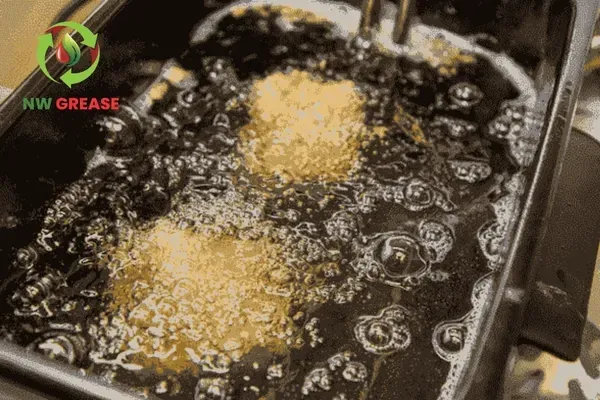
Every restaurant that uses deep fryers generates a steady stream of used oil. For many owners and kitchen managers, that oil feels like one more messy task to deal with at the end of a busy shift. But in today’s restaurant industry, used fryer oil is much more than waste it is a hidden opportunity to reduce operating costs and improve efficiency.
Through used cooking oil recycling, restaurants can turn a routine byproduct into a valuable resource. Instead of paying for emergency plumbing repairs, excessive maintenance, and inefficient disposal methods, smart operators use professional recycling services to streamline restaurant oil disposal and create long-term savings.
In some cases, restaurants may even receive compensation for their recycled oil depending on volume and market conditions. More importantly, they avoid the many hidden costs associated with poor oil management.
This guide explains exactly how used cooking oil recycling helps restaurants lower expenses, protect their facilities, and build a more sustainable and profitable business.
Why Used Cooking Oil Is More Valuable Than Most Restaurants Realize
Used fryer oil is one of the most overlooked assets in a commercial kitchen.
After oil has reached the end of its cooking life, it still contains significant value because it can be processed into:
Biodiesel fuel
Renewable diesel
Industrial lubricants
Soap and cleaning products
Agricultural materials
Organizations such as Start Green Commodities play an important role in the renewable fuels supply chain, helping connect recycled oil to industries that transform waste into cleaner energy.
For restaurants, this means that a material once viewed as a disposal burden can now contribute to operational savings and environmental responsibility.
Understanding the Used Cooking Oil Recycling Process
The process of used cooking oil recycling is straightforward but highly effective.
1. Collection
Restaurants transfer spent fryer oil into secure containers or outdoor tanks.
2. Scheduled Pickup
A professional recycling company removes the oil on a regular schedule.
3. Transportation
The oil is transported to a processing facility.
4. Refining
The oil is filtered and converted into renewable products such as biodiesel.
5. Reuse
The final products are used in transportation, manufacturing, and other industries.
This closed-loop system turns kitchen waste into a useful commodity while reducing disposal costs.
The Real Costs of Improper Restaurant Oil Disposal
Many restaurant owners underestimate how expensive poor restaurant oil disposal can be.
When oil is poured into drains, dumpsters, or inappropriate containers, the results can include:
Clogged pipes and sewer backups
Emergency plumbing repairs
Frequent grease trap pumping
Foul odors
Pest problems
Safety hazards
Regulatory penalties
For best practices and detailed guidance, visit this comprehensive resource on used cooking oil disposal.
The cost of a single plumbing emergency can easily exceed the cost of months of professional collection service.
10 Ways Used Cooking Oil Recycling Reduces Operating Expenses
1. Fewer Plumbing Repairs
Proper oil collection keeps fats and grease out of pipes, preventing costly clogs and backups.
2. Reduced Grease Trap Pumping
When bulk oil is diverted to recycling, grease traps fill more slowly and require less frequent cleaning.
3. Lower Labor Costs
Staff spend less time handling waste and cleaning up spills.
4. Improved Kitchen Safety
Sealed containers reduce slip-and-fall risks and associated liability.
5. Possible Revenue Sharing
Some recyclers offer rebates or compensation based on oil volume and market conditions.
6. Less Equipment Wear
Cleaner operations help extend the life of fryers, pumps, and drainage systems.
7. Fewer Health Inspection Issues
Proper disposal practices support cleaner, more compliant kitchens.
8. Reduced Waste Disposal Fees
Oil is recycled rather than treated as general waste.
9. Stronger Sustainability Marketing
Eco-friendly practices can attract customers and corporate clients.
10. Better Operational Efficiency
Reliable pickup schedules eliminate overflow and storage headaches.
How Professional Collection Services Improve Kitchen Efficiency
A professional recycling partner simplifies every aspect of oil handling.
Benefits include:
Secure storage equipment
Scheduled pickups
Spill prevention
Documentation and reporting
Responsive customer support
Instead of relying on staff to manage a messy process, restaurants gain a predictable system that saves time and reduces operational disruptions.
The Link Between Oil Recycling and Grease Trap Performance
Although this article focuses on used cooking oil recycling, its impact on grease trap systems is equally important.
When fryer oil is disposed of correctly:
Grease traps capture less bulk oil
Odors are reduced
Cleaning intervals can be extended
Emergency overflows become less likely
This translates directly into lower maintenance costs and more reliable kitchen operations.
Environmental Benefits That Also Strengthen Your Brand
Consumers increasingly prefer businesses that operate responsibly.
By embracing used cooking oil recycling, restaurants can:
Reduce landfill waste
Support renewable energy production
Lower greenhouse gas emissions
Demonstrate environmental leadership
These efforts can be highlighted in marketing materials, social media, and customer communications, helping differentiate your restaurant in a competitive market.
How to Choose the Right Recycling Partner
Not all service providers offer the same value. Look for a company that provides:
Reliable pickup schedules
Transparent communication
Secure storage systems
Detailed reporting
Experience with restaurants of your size
A strong partner should help you reduce costs, maintain compliance, and maximize the value of your recyclable oil.
Real-World Example: A Restaurant’s Cost-Saving Transformation
Consider a busy casual dining restaurant that produces several hundred gallons of used oil each month.
Before implementing professional collection, the restaurant experienced:
Frequent drain clogs
Monthly plumbing service calls
Overflowing oil containers
Higher grease trap cleaning costs
After switching to a structured recycling program, the restaurant:
Eliminated emergency plumbing visits
Reduced grease trap pumping frequency
Improved kitchen safety
Strengthened its sustainability messaging
Within months, the savings outweighed the cost of the service.
Final Takeaway
Used fryer oil is no longer just a waste product it is a strategic asset.
Through used cooking oil recycling, restaurants can reduce maintenance costs, streamline restaurant oil disposal, improve operational efficiency, and support renewable energy production. What seems like a small change in back-of-house procedures can lead to significant financial and environmental benefits.
In an industry where margins are tight, every opportunity to cut expenses matters.
By partnering with a trusted recycling provider and treating used oil as a valuable resource, restaurants can turn everyday waste into measurable cost savings and long-term business value.