A Complete Guide to Yellow Grease Recycling in the United States
Table of Contents
What Is Yellow Grease?
Why Yellow Grease Recycling Matters
The Environmental Impact of Improper Oil Disposal
How Used Cooking Oil Collection Works
The Yellow Grease Recycling Process
Internal Link: Understanding the Cooking Oil Recycling Process
Where Does Recycled Yellow Grease Go?
Regulations Governing Yellow Grease Recycling in the U.S.
Grease Trap Cleaning vs Yellow Grease Recycling
The Role of Grease Trap Cleaning in Compliance
Choosing a Reliable Used Cooking Oil Collection Partner
Signs You Need Professional Oil Recycling Services
Common Myths About Yellow Grease Recycling
How Recycling Helps Restaurants Save Money
Finding “Oil Recycling Near Me” the Smart Way
The Future of Yellow Grease Recycling in the U.S.
Final Thoughts: Turning Waste into Value
What Is Yellow Grease?
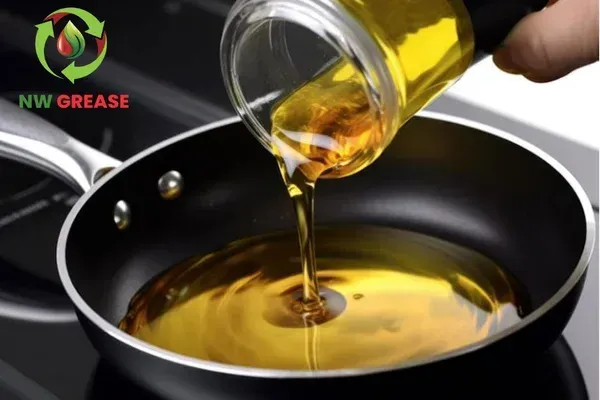
Yellow grease is the used cooking oil collected from fryers, grills, and food preparation equipment after cooking. It is primarily generated by restaurants, food trucks, cafeterias, bakeries, and commercial kitchens.
Unlike brown grease (which comes from grease traps and contains food solids and wastewater), yellow grease is cleaner, more valuable, and easier to recycle. This makes used cooking oil collection one of the most important sustainability practices in the food service industry.
Common sources of yellow grease include:
Deep fryers
Flat-top grills
Wok stations
Industrial food production lines
Why Yellow Grease Recycling Matters
Yellow grease recycling is no longer optional it’s essential for compliance, cost control, and environmental responsibility.
1. Environmental Protection
Pouring oil down drains leads to pipe blockages, sewer overflows, and water pollution. Recycling prevents these issues while reducing landfill waste.
2. Infrastructure Protection
Cities across the U.S. spend millions annually clearing fat, oil, and grease (FOG) blockages from sewer systems. Proper oil recycling helps prevent costly infrastructure damage.
3. Regulatory Compliance
Most municipalities now require proper used cooking oil collection and impose fines for improper disposal.
4. Resource Recovery
Recycled yellow grease is converted into:
Biodiesel
Renewable diesel
Industrial lubricants
Animal feed additives
Sustainable fuels
The Environmental Impact of Improper Oil Disposal
When businesses fail to recycle used cooking oil correctly, the consequences extend far beyond clogged drains.
Sewer System Damage
Oil hardens as it cools, sticking to pipe walls and forming blockages. These blockages lead to:
Sewer backups
Overflow into streets and waterways
Emergency repair costs
Water Pollution
Just one gallon of oil can contaminate up to one million gallons of water. This pollution harms aquatic life and local ecosystems.
Increased Carbon Footprint
Discarded oil that ends up in landfills decomposes inefficiently, contributing to greenhouse gas emissions.
Yellow grease recycling transforms this waste into a renewable energy source, dramatically reducing environmental impact.
How Used Cooking Oil Collection Works
Professional used cooking oil collection is a straightforward, efficient process designed to minimize disruption to your business.
Step 1: Oil Storage
After cooling, used oil is transferred into a secure, sealed container designed specifically for grease storage.
Step 2: Scheduled Pickup
A licensed recycler schedules regular pickups based on your volume and operational needs.
Step 3: Safe Transport
Oil is transported in sealed vehicles to prevent leaks, spills, or contamination.
Step 4: Processing and Recycling
The oil is filtered, cleaned, and refined for reuse in renewable fuel production.
This system ensures safety, cleanliness, and compliance while eliminating the risk of spills, odors, or theft.
The Yellow Grease Recycling Process
Once collected, yellow grease undergoes a multi-step refinement process to prepare it for reuse.
Filtering – Food particles and debris are removed
Dewatering – Moisture is extracted to improve quality
Refining – Oil is processed to meet fuel-grade standards
Conversion – The refined grease is transformed into biodiesel or renewable fuel
For a detailed breakdown of this process, NW Grease explains it clearly in their guide on the
cooking oil recycling process
Where Does Recycled Yellow Grease Go?
Recycled yellow grease plays a vital role in America’s renewable energy ecosystem.
Common End Uses
Biodiesel for trucks, buses, and generators
Renewable diesel for transportation fleets
Industrial lubricants
Asphalt additives
Sustainable aviation fuel research
By recycling used cooking oil, restaurants indirectly support cleaner transportation and reduced fossil fuel dependence.
Regulations Governing Yellow Grease Recycling in the U.S.
Regulations vary by state and city, but most U.S. jurisdictions require:
Licensed oil recyclers
Proper storage containers
Documented pickup records
No disposal into drains or dumpsters
Failure to comply can result in:
Fines
Health code violations
Business license suspension
Working with a professional oil recycler ensures compliance with all local, state, and federal requirements.
Grease Trap Cleaning vs Yellow Grease Recycling
Many restaurant owners confuse grease trap cleaning with yellow grease recycling. They are related but not the same.
FeatureGrease Trap CleaningYellow Grease RecyclingSourceSinks & drainsFryers & cooking equipmentGrease TypeBrown greaseYellow greaseValueLowHighRecycling PotentialLimitedExcellent
Both services are essential for a compliant kitchen, but yellow grease recycling delivers far greater environmental and financial benefits.
The Role of Grease Trap Cleaning in Compliance
While yellow grease recycling handles fryer oil, grease trap cleaning prevents fats and solids from entering sewer systems.
Benefits include:
Preventing sewer backups
Avoiding foul odors
Maintaining health department compliance
Extending plumbing lifespan
When combined with used cooking oil collection, grease trap cleaning creates a complete FOG management solution.
Choosing a Reliable Used Cooking Oil Collection Partner
Not all oil recyclers are created equal. When choosing a provider, look for:
Licensed and insured operations
Secure, theft-resistant containers
Flexible pickup schedules
Transparent reporting
Clean, spill-free service
A reliable partner protects your kitchen, your staff, and your reputation.
Signs You Need Professional Oil Recycling Services
If you notice any of the following, it’s time to upgrade your oil management:
Overflowing oil bins
Strong grease odors
Drain slowdowns
Health inspection warnings
Inconsistent pickup schedules
Searching for oil recycling near me and partnering with a local expert ensures faster response times and better service quality.
Common Myths About Yellow Grease Recycling
Myth 1: Small restaurants don’t need recycling
Even low-volume kitchens generate enough oil to cause plumbing and environmental damage if mismanaged.
Myth 2: Dumping oil is cheaper
Fines, plumbing repairs, and lost business far outweigh recycling costs.
Myth 3: All oil recyclers are the same
Service quality, compliance, and reliability vary widely.
How Recycling Helps Restaurants Save Money
Yellow grease recycling isn’t just good for the planet it’s good for your bottom line.
Reduced plumbing repairs
Lower risk of fines
Improved kitchen safety
Cleaner operations
Potential rebates in some regions
In many cases, recycling turns a waste cost into a value-generating process.
Finding “Oil Recycling Near Me” the Smart Way
When searching online, prioritize providers who:
Serve your local area
Offer both oil collection and grease trap cleaning
Provide educational resources
Have transparent environmental practices
Many industry leaders, including partners highlighted by Start Green Commodities, emphasize ethical recycling and sustainability standards that benefit both businesses and communities.
The Future of Yellow Grease Recycling in the U.S.
As renewable fuel demand increases, yellow grease is becoming more valuable than ever.
Trends shaping the future include:
Growth in biodiesel and renewable diesel production
Stricter municipal grease regulations
Increased enforcement of FOG compliance
Smarter tracking and reporting technology
Restaurants that adopt responsible recycling practices now will be ahead of future regulations.
Final Thoughts: Turning Waste into Value
Yellow grease recycling is no longer just a behind-the-scenes operation it’s a critical component of sustainable, compliant, and profitable food service operations.
By implementing professional used cooking oil collection, maintaining regular grease trap cleaning, and choosing a trusted partner when searching for oil recycling near me, businesses protect infrastructure, reduce environmental harm, and contribute to a cleaner energy future.
For restaurants and commercial kitchens across the U.S., yellow grease isn’t waste it’s an opportunity.