The Hidden Revenue in Your Restaurant’s Used Cooking Oil
Introduction:
Most restaurant owners look at a barrel of spent fryer oil and see exactly one thing: waste. Something to get rid of, something that costs a little money and a lot of hassle to manage. But here's the part that surprises a lot of owners the first time they hear it that same barrel of oil can actually put money back into your business, or at the very least, offset costs you're already paying elsewhere.
Used cooking oil recycling has quietly become a legitimate revenue stream for restaurants that know how to work with the right partner. It's not a get-rich scheme, and it's not going to replace your food sales. But it is a real, tangible benefit sitting right behind your kitchen that a lot of owners simply aren't tapping into. Let's walk through exactly how this works, what determines whether your oil has value, and how to make sure you're not leaving money on the table.
Why Used Cooking Oil Has Value in the First Place
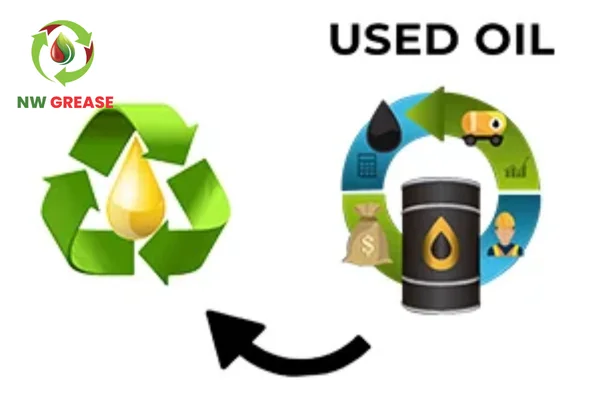
To understand why your spent fryer oil is worth anything, it helps to know where it actually goes after collection. Reputable recyclers don't just dump it or burn it. They process it into biodiesel and other renewable fuel products, which are in genuine demand across the renewable energy market.
That demand is what creates the value. Used cooking oil is a raw material for an entire industry, and like any raw material, it has a market price that fluctuates based on supply, demand, and broader energy market trends. When you hand over your oil to a recycler, you're not disposing of trash. You're supplying a commodity.
The Basic Economics of Oil Recycling
The value your restaurant receives, if any, typically depends on a few factors:
Volume larger quantities generally have more negotiating power than small, inconsistent amounts
Quality oil that's properly stored and free of contaminants like water or food debris tends to be worth more
Market conditions biodiesel demand and commodity pricing shift over time, affecting what recyclers can offer
Local competition areas with multiple recyclers competing for restaurant volume sometimes see better terms offered to businesses
This is why terms vary so much from one restaurant to another. A high-volume kitchen producing large amounts of clean, well-stored oil is in a very different negotiating position than a small café generating a modest amount every few weeks.
What "Hidden Revenue" Actually Looks Like for Restaurants
Let's be clear about what this looks like in practice, because the phrase "hidden revenue" can sound like an exaggeration if you're picturing checks showing up in the mail every month. For most restaurants, the benefit shows up in one of a few ways.
Free or Reduced-Cost Collection
Some Restaurant Cooking Oil Recycling providers offer free pickup in exchange for the oil itself, especially for restaurants producing consistent, higher volumes. Instead of paying a monthly fee for disposal, you're essentially trading your oil for the service, which nets out to real savings compared to restaurants still paying for basic collection.
Direct Compensation
In some cases, particularly with larger volume restaurants or multi-location operations, providers offer direct payment based on the amount and quality of oil collected. This isn't universal, and it depends heavily on your local market and your provider's business model, but it's worth asking about directly rather than assuming it isn't available.
Avoided Costs Elsewhere
Even when there's no direct payment involved, working with a reliable recycler often prevents costs you'd otherwise absorb: emergency cleanup from improper storage, fines from FOG violations, or plumbing repairs from oil that ends up somewhere it shouldn't. Avoided cost is still real money, even if it doesn't show up as a line item labeled "revenue."
How to Position Your Restaurant to Capture More Value
If you want to get the most out of your used cooking oil, a little bit of intentional effort goes a long way. Here's what actually moves the needle.
Keep Your Oil Clean and Properly Stored
Contaminated oil, whether from water, food particles, or improper mixing with other waste, is worth less to a recycler because it requires additional processing before it can be converted into usable products. Using dedicated, sealed containers and training staff to avoid dumping anything other than spent oil into them protects the value of what you're producing.
Track and Understand Your Volume
Providers are far more willing to offer favorable terms to restaurants that can demonstrate consistent volume. If you don't currently track how much oil your kitchen produces, even a rough log over a month or two gives you real leverage when discussing terms with a potential recycler.
Compare More Than One Provider
It's tempting to stick with whichever provider you signed up with years ago, but oil recycling terms and local market conditions change. Searching oil recycling near me and comparing a few options, even if you end up staying with your current provider, gives you a clearer sense of whether you're getting a fair deal.
Ask Direct Questions About Compensation
Some restaurants simply never ask whether they're eligible for reduced-cost or compensated collection because they assume the answer is no. It costs nothing to ask directly what your provider offers based on your volume and location.
Review Your Storage Setup Periodically
As your menu or fryer usage changes, your storage needs might change with it. A container that was sized appropriately when you opened might now be too small, leading to more frequent overflows, or too large, leading to oil sitting longer than ideal before pickup. Walking through your setup with your provider once or twice a year helps ensure it still matches your actual operation.
Table: Factors That Influence Your Oil's Value
The Connection Between Oil Recycling and Broader Sustainability Practices
There's a reason more restaurants are paying attention to this topic now more than in years past. Sustainability has moved from a nice-to-have marketing angle to something customers genuinely factor into where they choose to eat. Being able to say your restaurant participates in used cooking oil recycling and contributes to renewable fuel production is a specific, verifiable practice, not vague language.
If you want a broader view of how used cooking oil fits into the renewable commodities market and why it matters beyond your own kitchen, Start Green Commodities offers useful context on how this industry actually functions and where the demand comes from.
For restaurants thinking about sustainability more holistically, oil recycling is often just one piece of a larger waste management strategy. Our guide on sustainable waste management covers how oil recycling fits alongside other practices like composting, packaging reduction, and water conservation to build a genuinely sustainable kitchen operation.
Common Mistakes That Cost Restaurants Money
Even restaurants that are already working with a recycler sometimes leave value on the table without realizing it. A few of the most common mistakes:
Never renegotiating terms. Sticking with the same arrangement for years without checking current market rates or asking about updated terms means you could be missing better options.
Mixing oil with other kitchen waste. Contamination reduces the value of your oil and can sometimes result in a provider refusing pickup altogether.
Underestimating your volume. Restaurants that don't track their actual oil output often underestimate what they produce, which weakens their position when discussing terms.
Choosing a provider based only on convenience. The most convenient option isn't always the one offering the best overall value, especially if compensation or reduced fees are on the table elsewhere.
Assuming all recyclers are the same. Providers differ significantly in what they offer, how transparent they are about processing, and how they compensate restaurants for volume.
Expert Tips for Restaurant Owners
Request a breakdown of your service costs so you can see clearly what you're paying versus what you might save with a different arrangement
Ask your provider directly about compensation programs tied to volume or quality
Keep basic records of your oil output over a few months to strengthen your negotiating position
Revisit your provider relationship annually, especially if your restaurant's volume has changed significantly
Bundle oil recycling with other services like grease trap cleaning when possible, since providers often offer better overall terms for combined service agreements
Why Local Providers Often Offer Better Terms
Local oil recyclers tend to have more flexibility than large national operators because they're not managing standardized contracts across hundreds of locations. They can often adjust pricing, pickup frequency, and compensation terms based on your specific restaurant rather than applying a one-size-fits-all formula.
This is part of why searching oil recycling near me and actually engaging with local providers, rather than defaulting to whichever national brand shows up first, tends to produce better outcomes for restaurant owners. A local company also has a direct incentive to maintain a good reputation in your community, which often translates into more transparent, fair dealing overall.
Regional Market Factors That Affect Your Terms
It's worth understanding that oil recycling value isn't static across the country. Restaurants in regions with a strong biodiesel processing presence or several competing collection companies often see more favorable terms than restaurants in areas with limited options. Washington and Oregon, for example, have a relatively active renewable fuel sector, which can work in favor of restaurants that take the time to shop around rather than settling for the first offer they receive.
Seasonal factors matter too. Some providers adjust their offers based on time of year, since biodiesel demand and feedstock supply can shift with broader energy market trends. A restaurant that only checks in with its provider once every few years might miss these shifts entirely, while one that reviews terms annually is more likely to catch favorable timing.
What to Expect When You Start the Conversation
If you've never had this conversation with a provider before, it can feel a little unfamiliar. Here's roughly what to expect:
The provider will likely ask about your current oil volume and how you currently store and dispose of it
They may request a trial period or initial assessment to understand your actual output before committing to specific terms
You'll discuss pickup frequency, storage equipment, and any compensation or fee structure that applies to your situation
Once terms are set, you should receive clear documentation of your agreement, including pickup schedule and any compensation details
Going into this conversation informed, with a rough sense of your volume and an understanding of what other providers in your area offer, puts you in a much stronger position than simply accepting whatever the first provider proposes.
How Multi-Location Restaurants Can Maximize Oil Value
If you operate more than one location, there's an additional layer of opportunity worth understanding. Providers often offer more favorable terms to multi-unit operators because consolidated volume across several restaurants is more attractive than negotiating separately with each individual location.
Centralizing your oil recycling arrangement across all your locations, rather than letting each restaurant manager handle it independently, can strengthen your position significantly. It also simplifies compliance tracking, since you're working with one provider's documentation system instead of piecing together records from several different companies. If you're scaling your restaurant group, this is one of those operational details worth standardizing early rather than retrofitting later.
Key Takeaways
Used cooking oil isn't just waste. It's a raw material with real market value tied to the renewable fuel industry
Restaurants can benefit through free collection, reduced fees, or in some cases direct compensation depending on volume and provider
Clean, properly stored oil and consistent, trackable volume improve your negotiating position
Comparing local providers rather than defaulting to convenience often uncovers better terms
Oil recycling is one piece of a broader sustainability strategy that resonates with today's customers
Final Thoughts
It's easy to overlook the value sitting in your restaurant's back storage area when you're focused on the hundred other things running a kitchen demands. But taking a closer look at your oil recycling arrangement, understanding what your volume is actually worth, and comparing your options can turn a routine disposal task into a genuine, if modest, contributor to your bottom line. The restaurants that benefit most aren't doing anything complicated. They're simply paying attention to a resource that most owners write off without a second thought.
If you're ready to find out what your restaurant's used cooking oil could actually be worth, NWGrease offers reliable, locally focused oil recycling services throughout Washington and Oregon, with transparent terms built around your kitchen's real output. Contact NWGrease to discuss a collection arrangement that works in your favor., NWGrease offers reliable, locally focused oil recycling services throughout Washington and Oregon, with transparent terms built around your kitchen's real output. Contact NWGrease to discuss a collection arrangement that works in your favor.
Frequently Asked Questions
1. Does every restaurant get paid for their used cooking oil? Not always. Compensation typically depends on volume, oil quality, and local market conditions, so it's worth asking your provider directly what applies to your restaurant.
2. How can I increase the value of my restaurant's used cooking oil? Keep it clean and free of contaminants, store it in sealed containers, and maintain consistent volume, since all three factors influence what a recycler is willing to offer.
3. Is it worth switching providers to get better terms? It can be, especially if you haven't reviewed your current arrangement in a while. Comparing local options is a low-effort way to confirm you're getting fair value.
4. What happens to used cooking oil after it's collected? It's typically processed into biodiesel or other renewable fuel products, which is the source of its market value.
5. Do small restaurants produce enough oil to matter? Even smaller volumes can qualify for reduced-cost or free collection, though direct compensation is more common for higher-volume kitchens.
6. How do I find a trustworthy oil recycling provider near me? Look for transparency about processing, clear documentation practices, and a track record with other local restaurants. Asking for references is a reasonable step before committing.
7. Does NWGrease offer compensation for used cooking oil? NWGrease works with restaurants throughout Washington and Oregon to provide fair, transparent terms based on volume and service needs. Contact the team directly to discuss what applies to your kitchen.
8. Is oil recycling really considered a sustainability practice? Yes. Converting used cooking oil into renewable fuel keeps it out of landfills and waterways while supporting the broader renewable energy market, making it a genuine and measurable sustainability effort.