How to Build a Sustainable Waste Management Plan for Restaurants
Introduction:
Every restaurant produces waste. That's not a controversial statement it's just the reality of running a commercial kitchen. What separates restaurants that handle it well from restaurants that don't isn't the amount of waste they generate, but whether they've actually built a plan around it, or whether they're just reacting to problems as they show up.
A real restaurant waste management solutions strategy touches everything from food scraps to packaging to, yes, that barrel of spent fryer oil sitting out back. It's not something you build overnight, and it's definitely not something you copy exactly from another restaurant, since every kitchen's waste stream looks a little different. But there is a clear, practical process for putting one together, and that's exactly what we're going to walk through.
Why Restaurants Need an Actual Plan, Not Just Good Intentions
A lot of restaurant owners genuinely care about sustainability. Fewer actually have a documented plan for it. That gap matters more than it might seem, because good intentions don't prevent overflowing grease containers, don't ensure compliance paperwork exists when an inspector asks for it, and don't consistently reduce your waste hauling costs month over month.
A real plan does three things an informal approach can't: it creates consistency across shifts and staff turnover, it gives you something measurable to track and improve, and it protects you from the compliance and cost risks that come from waste handled haphazardly.
The Cost of Not Having a Plan
Restaurants without a structured approach to waste tend to experience the same recurring headaches: overflowing bins, inconsistent recycling practices between shifts, fines for improper disposal, and higher-than-necessary hauling costs because nobody's ever actually reviewed the contract. None of these problems are dramatic on their own, but they add up steadily over a year, quietly eating into margins that are already thin in this industry.

Step One: Audit What Your Restaurant Actually Throws Away
You can't build a plan around waste you haven't measured. Before making any changes, spend a week or two actually tracking what leaves your kitchen and in what quantities.
What to Track During Your Audit
Food waste prep scraps, spoilage, plate waste returned from the dining room
Used cooking oil how much your fryers produce and how often containers fill up
Recyclables cardboard, glass, aluminum, and plastic packaging
General trash everything that doesn't fall into another category
Grease trap buildup how quickly your trap fills between cleanings
Most restaurant owners are surprised by what this audit reveals. It's common to discover that a single category, often food waste or packaging, makes up a much larger share of total waste than expected, which immediately tells you where to focus first.
Step Two: Prioritize the Categories With the Biggest Impact
Once you know what you're actually dealing with, resist the urge to tackle everything at once. Trying to overhaul your entire waste stream in a single month usually leads to half-finished changes and frustrated staff. Instead, prioritize based on two factors: volume and ease of improvement.
A Simple Way to Prioritize
Notice that used cooking oil recycling and grease trap maintenance both land in the "easy to implement" column. That's not a coincidence these are areas where partnering with the right provider does most of the heavy lifting for you, which makes them a smart starting point for restaurants just beginning to build out a formal plan.
Step Three: Build Used Cooking Oil Recycling Into Your Core Plan
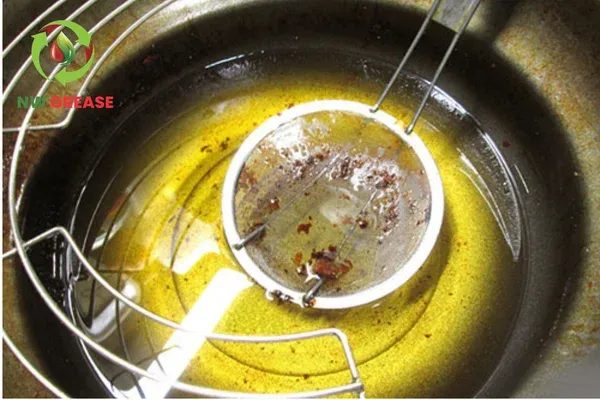
Used cooking oil recycling deserves specific attention because it's one of the highest-impact, lowest-effort pieces of a restaurant waste plan. Instead of treating spent fryer oil as trash, a proper recycling arrangement converts it into biodiesel and other renewable products, which keeps it out of landfills and waterways while often reducing what you'd otherwise pay for disposal.
What This Actually Involves
Setting this up isn't complicated. It typically means installing a sealed, appropriately sized storage container near your fryer station, training staff on proper disposal procedures, and scheduling regular pickups with a provider who can also supply documentation for compliance purposes.
For restaurants building out a full sustainability plan, our guide on sustainable waste management covers how oil recycling fits alongside other waste categories in more detail, including how to sequence your rollout so it doesn't overwhelm your kitchen staff.
Step Four: Address Food Waste With Realistic Systems
Food waste is often the largest category by volume, but it's also the one most restaurants feel least equipped to tackle. The good news is that meaningful progress doesn't require a complicated composting operation from day one.
Practical Starting Points for Food Waste
Track prep waste for two weeks to identify where over-preparation is happening
Adjust portioning and prep quantities based on what the data actually shows
Explore local composting options for kitchens producing significant organic waste
Train staff on proper storage to reduce spoilage before it becomes waste at all
Review menu items with high waste rates and consider recipe or portion adjustments
None of these require major capital investment. They require attention and a willingness to actually look at the numbers instead of assuming things are fine.
Step Five: Simplify Recycling So Staff Actually Use It
Recycling programs fail in restaurants more often because of confusing systems than because of a lack of staff willingness. If your recycling bins aren't clearly labeled, conveniently placed, and simple to use during a chaotic dinner rush, they'll get ignored, and general trash will absorb everything by default.
Keep bins close to where waste is actually generated, use clear signage with pictures rather than just text, and make sure whoever's training new staff includes waste sorting as a standard part of onboarding, not an afterthought mentioned once and never repeated.
Step Six: Don't Overlook Grease Trap Maintenance
A sustainable waste plan that focuses on oil recycling but ignores grease trap maintenance is only solving half the problem. Grease traps catch the fats, oils, and grease that make it into your drains, and when they're neglected, that grease can eventually contribute to sewer blockages and environmental contamination well beyond your restaurant's four walls.
Scheduling regular grease trap cleaning alongside your used cooking oil recycling service means one provider is managing both sides of your kitchen's grease output, which tends to be more efficient and easier to track than juggling separate vendors for each.
Step Seven: Choose the Right Waste Partners
Your waste management plan is only as good as the providers executing it. This is where restaurant waste management solutions really come down to partner selection rather than internal effort alone.
What to Look For in a Waste Management Partner
Transparency about where your waste actually ends up
Clear documentation for compliance and inspection purposes
Flexibility to adjust pickup schedules as your volume changes
Willingness to bundle services like oil recycling and grease trap cleaning
A track record with other restaurants in your specific region
Local providers often outperform large national companies here, simply because they have more flexibility to tailor service around your specific kitchen instead of applying a standardized route built for hundreds of unrelated businesses.
Step Eight: Make Sustainability Part of Your Restaurant's Story
Building a genuine waste management plan isn't just an internal operational improvement. It's also something worth communicating to your customers, provided you're being accurate and specific rather than vague. Diners increasingly care about restaurant sustainability practices, and a restaurant that can point to real, measurable actions, like recycling used cooking oil into renewable fuel, has something authentic to share rather than generic marketing language.
If you want to understand more about how recycled oil fits into the broader renewable energy market, Start Green Commodities provides useful context on how this industry functions and why it matters beyond any single restaurant's operations.
Step Nine: Review and Adjust Your Plan Regularly
A waste management plan isn't a one-time project. Menus change, seasons shift customer volume, and your restaurant's waste stream evolves along with the business. Set a recurring review, quarterly works well for most restaurants, to check whether your current providers, storage setups, and staff practices still match your actual needs.
Questions Worth Asking During Each Review
Has our oil or food waste volume changed significantly since our last review?
Are our current providers still offering competitive terms?
Is staff actually following the sorting and disposal procedures we trained them on?
Have local regulations around waste or FOG disposal changed?
Are there new categories of waste we should be addressing that we haven't yet?
How to Get Staff Buy-In for a New Waste Plan
Even the best-designed plan falls apart without staff actually following it day to day. Getting genuine buy-in, rather than reluctant compliance, makes a real difference in how consistently your plan actually gets executed during busy shifts.
Start by explaining the "why" behind the changes, not just the "what." Staff who understand that proper oil disposal prevents costly plumbing emergencies, or that recycling reduces hauling costs that affect the restaurant's overall budget, tend to take the process more seriously than staff who are simply told to follow a new rule.
Keep training simple and repeatable. A single onboarding session isn't enough, especially in an industry with regular staff turnover. Build waste sorting and disposal procedures into your standard training materials so every new hire receives the same information, regardless of who's training them or how busy the shift happens to be.
Finally, make it easy to succeed. If proper disposal requires extra steps or inconvenient container placement, staff will default to whatever's fastest during a rush, even if that means ignoring the system you've built. Design your physical layout around realistic kitchen behavior, not an idealized version of how you wish staff would operate under pressure.
Measuring Whether Your Plan Is Actually Working
It's easy to assume a waste management plan is working simply because it exists, but measurable results matter more than good intentions. A few practical ways to track progress over time include comparing monthly hauling costs before and after implementation, tracking how often your used cooking oil containers reach capacity versus overflow, and reviewing whether compliance documentation is consistently available when requested.
Some restaurants also track a simple waste-to-revenue ratio, comparing total waste hauling and disposal costs against monthly revenue, to see whether the percentage trends downward as the plan matures. This kind of tracking doesn't need to be complicated. Even a basic spreadsheet updated monthly gives you enough data to spot trends and demonstrate real progress to ownership or investors.
Common Mistakes Restaurants Make When Building a Waste Plan
Trying to do everything at once. Overhauling your entire waste stream in one push usually leads to inconsistent follow-through. Prioritize and phase your changes instead.
Skipping the audit step. Building a plan without first understanding your actual waste composition means you're guessing at priorities instead of working from real data.
Choosing providers based on price alone. The cheapest option often comes with less flexibility, weaker documentation, and less transparency about where your waste actually ends up.
Failing to train new staff consistently. A plan that only works when veteran staff are on shift isn't actually a reliable system.
Never revisiting the plan. Waste management needs change as your restaurant grows or shifts its menu, and a plan built once and never reviewed tends to drift out of alignment with actual needs.
Expert Tips for Long-Term Success
Assign ownership of the waste plan to a specific manager or team lead so it doesn't fall through the cracks during busy periods
Post simple visual reminders near disposal stations to reinforce proper sorting during high-pressure shifts
Bundle services where possible, particularly oil recycling and grease trap cleaning, for simpler vendor management
Track cost savings over time so you can demonstrate the plan's value when discussing budget with ownership or investors
Celebrate small wins with staff, since a team that understands why the plan matters is far more likely to stick with it
Key Takeaways
A documented waste management plan outperforms informal good intentions in consistency, cost savings, and compliance
Auditing your actual waste stream before making changes ensures you prioritize the categories with the biggest impact
Used cooking oil recycling and grease trap maintenance are high-impact, low-effort starting points for most restaurants
Choosing the right local waste partners often matters more than any internal process change
Reviewing your plan regularly keeps it aligned with your restaurant's evolving needs
Final Thoughts
Building a sustainable waste management plan isn't about perfection, and it's definitely not about doing everything at once. It's about starting with real data, prioritizing the changes that make the biggest difference with the least disruption, and choosing partners who actually support your goals instead of just hauling things away. Restaurants that get this right don't necessarily work harder than everyone else. They just have a system instead of a series of reactions.
If your restaurant is ready to build out a stronger foundation for used cooking oil recycling and broader waste management, NWGrease works with restaurants throughout Washington and Oregon to create arrangements that actually fit your kitchen's needs. Contact NWGrease to start building a plan that works for your business.
Frequently Asked Questions
1. Where should a restaurant start when building a waste management plan? Begin with a waste audit to understand exactly what and how much your kitchen is producing before making any changes to your current process.
2. How does used cooking oil recycling fit into a broader sustainability plan? It's typically one of the easiest and highest-impact categories to address, since a provider handles collection and processing, converting spent oil into renewable fuel products.
3. What's the biggest mistake restaurants make with waste management? Trying to overhaul everything at once instead of prioritizing based on volume and ease of implementation, which often leads to inconsistent follow-through.
4. How often should a restaurant review its waste management plan? A quarterly review works well for most restaurants, though significant menu changes or growth may warrant checking in sooner.
5. Can grease trap maintenance really be part of a sustainability plan? Yes. Preventing grease from reaching municipal sewer systems is a genuine environmental benefit, in addition to protecting your restaurant from costly plumbing issues.
6. Do customers actually care about restaurant sustainability practices? Increasingly, yes. Specific, verifiable practices like oil recycling tend to build more trust than vague sustainability marketing language.
7. Should a restaurant use one provider for all waste categories or separate vendors? It depends on your needs, but bundling services like oil recycling and grease trap cleaning with one provider often simplifies management and improves communication.
8. Does NWGrease help restaurants build a full waste management plan? NWGrease specializes in used cooking oil recycling and grease trap cleaning throughout Washington and Oregon, and can work alongside your other waste providers as part of a broader plan.