How Restaurants Can Turn Used Oil Into Extra Revenue
Table of Contents
Why Used Cooking Oil Has Value
The Growing Market for Recycled Cooking Oil
How Used Cooking Oil Collection Generates Revenue
The Hidden Costs of Poor Restaurant Oil Disposal
How to Find the Right Oil Recycling Partner
Step-by-Step: Turning Waste Oil Into Profit
Additional Benefits Beyond Revenue
Common Mistakes Restaurants Make With Used Oil
Best Practices for Maximizing Your Oil Value
Final Thoughts: Turning Kitchen Waste Into Opportunity
Why Used Cooking Oil Has Value
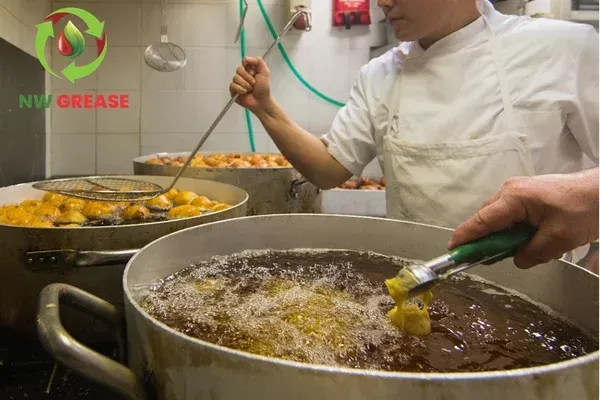
Most restaurants produce large quantities of used cooking oil every week. Fryers used for foods like chicken, fries, and seafood generate gallons of waste oil that must be replaced regularly.
Instead of throwing it away, that oil can be collected, cleaned, and converted into renewable fuel such as biodiesel.
This is where used cooking oil collection services come in. These companies collect oil from restaurants, process it, and convert it into valuable products.
Because recycled oil is in high demand for renewable energy production, many collectors pay restaurants for their used oil or provide rebates based on volume.
That means something you once paid to dispose of could now generate income.
The Growing Market for Recycled Cooking Oil
The demand for used cooking oil has increased dramatically in recent years.
Governments and energy companies are pushing toward renewable fuel alternatives, and recycled cooking oil has become one of the most efficient feedstocks for biodiesel production.
Some reasons demand continues to grow include:
Rising environmental regulations
Increased biodiesel production
Sustainability goals across industries
Expansion of renewable diesel programs
Companies specializing in recycling such as those featured on platforms like Start Green Commodities are helping connect waste oil supply with the renewable fuel industry.
For restaurants, this means used oil is no longer just waste it’s a commodity.
How Used Cooking Oil Collection Generates Revenue
Restaurants can make money from used oil in several ways depending on their location and collection partner.
1. Direct Payment for Used Oil
Some recycling companies pay restaurants per gallon of used cooking oil collected.
The price varies depending on:
Market demand
Oil quality
Volume generated
Contract terms
High-volume restaurants can generate consistent monthly revenue through oil collection programs.
2. Oil Rebates and Revenue Sharing
In some cases, recycling companies provide rebates instead of direct payments.
These rebates may be based on:
Total oil volume collected
Market oil prices
Contract duration
This approach still turns restaurant oil disposal into a financial advantage rather than a cost.
3. Reduced Disposal Costs
Even when direct payments aren’t offered, proper oil recycling can reduce waste management costs.
Without recycling, restaurants often face:
Waste hauling fees
Grease trap maintenance costs
Environmental compliance penalties
Efficient used cooking oil collection programs reduce these expenses significantly.

The Hidden Costs of Poor Restaurant Oil Disposal
Improper oil disposal doesn’t just waste money it can create serious operational problems.
Restaurants that ignore professional oil recycling may face:
Plumbing Issues
Pouring oil down drains leads to grease buildup, which can cause expensive plumbing repairs.
Environmental Violations
Local regulations often require restaurants to follow proper grease disposal procedures.
Failure to comply can result in fines or penalties.
Workplace Hazards
Improperly stored oil containers create slip hazards and fire risks in kitchens.
For a detailed look at safe grease handling, check out this guide on commercial grease safety:
Proper restaurant oil disposal systems eliminate these risks while helping restaurants recover value from their waste oil.
How to Find the Right Oil Recycling Partner
Searching for oil recycling near me can bring up dozens of options, but not all recycling companies provide the same level of service.
Here are key factors to consider when choosing a collection partner.
Reliable Pickup Schedules
Restaurants need consistent pickup schedules to avoid overflowing containers and safety hazards.
Secure Storage Containers
Professional collectors provide sealed storage tanks or bins designed for safe oil handling.
Transparent Pricing
If your oil qualifies for payments or rebates, your provider should offer clear pricing structures.
Environmental Compliance
A reputable recycling company ensures all collected oil is processed in accordance with environmental regulations.
Working with a trusted oil recycling service ensures your used cooking oil collection program is both profitable and compliant.
Step-by-Step: Turning Waste Oil Into Profit
Many restaurant owners assume oil recycling is complicated, but the process is actually very simple.
Here’s how it works.
Step 1: Install a Used Oil Container
Your recycling provider installs a secure oil storage container outside your restaurant.
This container is designed to safely hold used fryer oil until collection.
Step 2: Train Staff on Proper Disposal
Kitchen staff should pour used fryer oil into the container instead of:
Drains
Trash bins
Temporary buckets
This simple habit ensures efficient oil collection.
Step 3: Schedule Regular Pickups
Depending on your restaurant’s volume, pickups may occur:
Weekly
Bi-weekly
Monthly
Consistent pickups prevent overflow and maintain kitchen safety.
Step 4: Receive Payments or Rebates
Once the oil is collected and processed, restaurants may receive:
Payments per gallon
Monthly rebates
Reduced disposal costs
Over time, these small amounts can add up to meaningful additional revenue.
Additional Benefits Beyond Revenue
While extra income is a major advantage, oil recycling offers several other benefits for restaurants.
Environmental Sustainability
Recycling used cooking oil helps reduce waste and supports renewable fuel production.
Restaurants that recycle oil can promote their commitment to sustainability.
Improved Kitchen Safety
Proper oil storage reduces risks such as:
Grease fires
Spills
Slip hazards
Stronger Brand Image
Modern consumers increasingly support businesses that adopt eco-friendly practices.
Promoting oil recycling initiatives can strengthen your restaurant’s reputation.
Cleaner Operations
Professional collection services maintain clean storage containers and remove oil efficiently.
This improves overall kitchen hygiene and organization.
Common Mistakes Restaurants Make With Used Oil
Even restaurants that recycle oil sometimes miss opportunities to maximize its value.
Here are some common mistakes.
Mixing Oil With Food Waste
Oil contaminated with food debris can lower its recycling value.
Use strainers or filtration systems when possible.
Using Unsecured Containers
Improper containers can lead to theft or contamination.
Professional storage systems help protect your oil supply.
Skipping Regular Pickups
Allowing oil containers to overflow creates safety and sanitation issues.
Stick to a consistent pickup schedule.
Ignoring Market Value
Used cooking oil prices fluctuate based on demand.
Partnering with experienced collectors helps ensure you receive fair compensation for your oil.
Best Practices for Maximizing Your Oil Value
Restaurants that treat used oil as a resource not waste can significantly increase its value.
Follow these best practices.
Filter Oil Regularly
Cleaner oil is easier to recycle and may command higher prices.
Track Oil Production
Monitoring how much oil your restaurant produces helps optimize pickup schedules.
Work With Experienced Recyclers
Professional companies ensure efficient used cooking oil collection and proper processing.
Train Your Staff
Staff training prevents contamination and improves recycling efficiency.
Final Thoughts: Turning Kitchen Waste Into Opportunity
For many restaurants, used cooking oil is simply a routine disposal task. But with the right strategy, it can become a small yet consistent source of extra revenue.
By implementing a professional used cooking oil collection program, restaurants can:
Generate additional income
Reduce waste disposal costs
Improve kitchen safety
Support renewable energy initiatives
Even better, oil recycling helps restaurants contribute to a more sustainable food industry.
If your restaurant still treats used oil as waste, it may be time to rethink your approach. With the right recycling partner and proper oil management practices, your fryer oil could become a valuable asset instead of a liability.
And as demand for renewable fuels continues to grow, the opportunity to profit from restaurant oil disposal and recycling programs will only become stronger.
Turning kitchen waste into revenue isn’t just smart it’s the future of sustainable restaurant operations.