Eco-Friendly Restaurant Trends to Watch in 2025
Introduction,
The restaurant industry is entering a defining era. In 2025, sustainability is no longer a “nice-to-have” it’s a business necessity. Rising food costs, stricter environmental regulations, climate-conscious consumers, and digital transparency are forcing restaurants to rethink how they operate behind the scenes, especially when it comes to waste management.
From smart kitchens to circular waste systems, eco-friendly restaurant trends are changing how food businesses reduce costs, protect the environment, and strengthen brand trust. One of the most impactful and fastest-growing sustainability practices is Restaurant Cooking Oil Recycling, which has become a cornerstone of responsible restaurant operations.
In this in-depth guide, we’ll explore the top eco-friendly restaurant trends to watch in 2025, with a strong focus on restaurant oil disposal, waste reduction, and why searching for oil recycling near me is becoming a priority for restaurant owners nationwide.
Whether you run a small café or a multi-location restaurant chain, these trends will help you stay competitive, compliant, and future-ready.
Why Sustainability Is Driving Restaurant Decisions in 2025
Consumer expectations have changed dramatically. Today’s diners care just as much about how food is prepared and disposed of as they do about taste.
According to recent industry research:
Over 70% of consumers prefer eco-friendly restaurants
Sustainability influences repeat visits and online reviews
Restaurants that adopt green practices often lower operating costs long-term
At the same time, cities and municipalities are tightening regulations on grease, waste oil, and sewer protection, making proper restaurant oil disposal not just ethical but legally required.
This is where professional services like Restaurant Cooking Oil Recycling step in as a win-win solution for businesses and the planet.
Trend #1: Restaurant Cooking Oil Recycling Goes Mainstream
In 2025, Restaurant Cooking Oil Recycling is no longer optional it’s becoming industry standard.
What’s Driving This Shift?
Used cooking oil, when improperly discarded, causes:
Sewer blockages and backups
Environmental contamination
Heavy fines from local authorities
Fire hazards and sanitation issues
Eco-conscious restaurants now understand that recycling used cooking oil:
Prevents environmental damage
Supports renewable fuel production (biodiesel)
Keeps kitchens compliant with health and safety laws
Enhances brand reputation
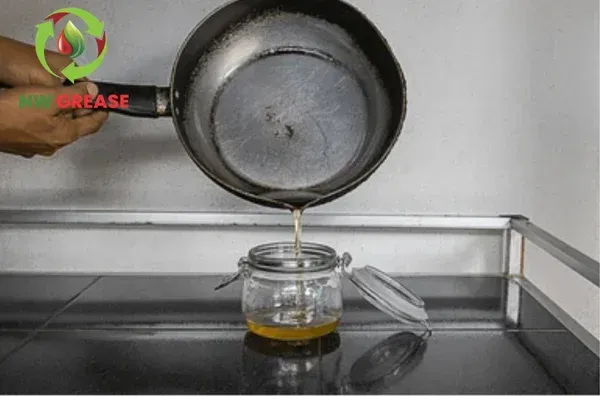
Professional oil recycling companies collect, filter, and repurpose used cooking oil instead of letting it end up in landfills or drains.
If your restaurant isn’t already partnered with a certified provider, now is the time to explore oil recycling near me options that ensure reliability and compliance.
Trend #2: Circular Waste Systems in Restaurant Operations
2025 is the year restaurants fully embrace the circular economy a system where waste is reused, repurposed, or recycled instead of discarded.
How Cooking Oil Fits Into Circular Sustainability
Recycled cooking oil can be transformed into:
Biodiesel fuel
Industrial lubricants
Animal feed additives
Renewable energy sources
This means your restaurant’s waste oil becomes a valuable resource, not an environmental burden.
Many forward-thinking restaurants are now integrating oil recycling into broader waste strategies such as:
Composting food scraps
Recycling packaging materials
Reducing single-use plastics
Partnering with sustainable waste providers
Restaurants working with certified oil recyclers often see lower waste management costs and smoother inspections.
Trend #3: Smarter, Cleaner Restaurant Oil Disposal Practices
Gone are the days of pouring grease into trash bins or drains. In 2025, restaurant oil disposal is governed by smarter systems and stricter enforcement.
Modern Oil Disposal Best Practices Include:
Sealed, leak-proof oil containers
Scheduled oil pickup services
Digital tracking of oil disposal records
Compliance documentation for inspections
Health departments are increasingly checking how restaurants handle grease and oil waste. Improper disposal can result in:
Fines
License suspension
Costly plumbing repairs
That’s why restaurants are partnering with professional recyclers who offer safe storage, timely pickups, and transparent documentation.
For deeper insights into sustainable waste handling, NW Grease provides valuable guidance in their resource on
eco-friendly waste solutions for restaurants
which explains how proper oil management fits into a greener operation.
Trend 4: Sustainability in the Neighborhood “Oil Recycling Near Me”.
In 2025, restaurants are prioritizing local service providers to reduce carbon emissions and improve reliability.
The reason why the need to recycle oil is an issue like never before.
Choosing a nearby oil recycling service means:
Faster pickups
Lower transportation emissions
Better customer support
Reduced operational disruptions
Search trends show a sharp increase in restaurant owners looking for oil recycling near me, reflecting the demand for dependable, localized waste solutions.
Local recycling partnerships also strengthen community sustainability efforts and reduce the environmental footprint associated with long-distance hauling.
Trend #5: Data-Driven Sustainability & Transparency
Eco-friendly restaurants in 2025 are tracking everything from water usage to oil waste volume.
How Data Improves Oil Recycling Programs
Modern oil recycling services provide:
Digital pickup logs
Volume tracking reports
Compliance documentation
Sustainability impact summaries
These insights help restaurants:
Optimize oil usage
Reduce waste generation
Demonstrate environmental responsibility
Support ESG (Environmental, Social, Governance) goals
Transparency isn’t just for regulators it’s for customers too. Restaurants now proudly share their sustainability efforts on menus, websites, and social media.
Trend #6: Sustainability as a Marketing Advantage
Green practices are no longer hidden behind kitchen doors. Restaurants are actively promoting their eco-friendly efforts.
How Oil Recycling Boosts Brand Image
Consumers are more likely to support restaurants that:
Recycle used cooking oil
Follow responsible restaurant oil disposal
Partner with sustainable vendors
Reduce environmental harm
Many restaurants highlight their partnerships with recycling providers and renewable energy contributors, reinforcing trust and credibility.
By showcasing eco-friendly initiatives, restaurants create emotional connections with customers who value sustainability.
Trend #7: Stricter Environmental Regulations in 2025
Environmental compliance is tightening across cities and states.
What This Means for Restaurants
New regulations increasingly require:
Proper oil containment
Documented recycling processes
Zero grease discharge into sewers
Proof of licensed oil disposal services
Non-compliance can result in:
Heavy penalties
Business interruptions
Reputation damage
Partnering with a certified oil recycler ensures your restaurant stays ahead of regulatory changes and avoids costly mistakes.
Trend #8: Sustainable Supply Chain Partnerships
Eco-friendly restaurants in 2025 aren’t working alone they’re choosing vendors who share their values.
That’s why many restaurants are aligning with sustainability-driven organizations like
Start Green Commodities
which focuses on responsible recycling and renewable resource solutions that support a cleaner energy future.
These partnerships strengthen a restaurant’s sustainability narrative while contributing to broader environmental impact.
Trend #9: Cost Savings Through Efficient Oil Management
One of the biggest myths about sustainability is that it’s expensive. In reality, Restaurant Cooking Oil Recycling often saves money.
Financial Benefits Include:
Reduced plumbing maintenance
Fewer grease-related repairs
Avoidance of fines and penalties
Potential rebates or incentives from recyclers
Optimized oil usage tracking
Smart oil management is both an environmental and financial strategy.
Trend #10: The Rise of Eco-Certified Restaurants
In 2025, eco-certifications are influencing customer choices and investor decisions.
Restaurants pursuing green certifications often need to prove:
Responsible restaurant oil disposal
Participation in cooking oil recycling programs
Waste reduction strategies
Environmental compliance
Oil recycling plays a key role in meeting certification standards and building long-term business value.
How Restaurants Can Prepare for the Future Starting Now
To stay ahead in 2025 and beyond, restaurants should:
Partner with a certified cooking oil recycling service
Implement safe and compliant oil storage systems
Schedule regular oil pickups
Track waste oil data and sustainability metrics
Educate staff on proper oil disposal practices
Promote eco-friendly efforts to customers
Sustainability is no longer reactive it’s strategic.
Final Thoughts: Sustainability Is the Future of Restaurants
The eco-friendly restaurant trends of 2025 make one thing clear: restaurants that embrace sustainability will thrive, while those that ignore it will struggle.
At the heart of this transformation is Restaurant Cooking Oil Recycling a simple yet powerful practice that protects the environment, ensures compliance, and strengthens brand trust.
By improving restaurant oil disposal, choosing reliable oil recycling near me, and partnering with sustainability-focused organizations, restaurants can lead the way toward a cleaner, greener future.
For restaurants ready to take the next step, NW Grease continues to be a trusted resource for eco-friendly waste solutions, helping businesses operate responsibly while staying profitable.