The Business Benefits of Partnering With Certified Oil Recyclers in the USA
Introduction:
Running a restaurant in today’s competitive market is about far more than serving great food. Restaurant owners and kitchen managers are constantly balancing food quality, customer experience, operational costs, health regulations, and sustainability goals all at the same time. Somewhere in the middle of all this chaos sits one issue many businesses underestimate until it becomes expensive: used cooking oil management.
At first glance, used fryer oil may seem like just another kitchen byproduct. But in reality, how a restaurant handles waste oil can significantly impact profitability, operational efficiency, environmental compliance, and even brand reputation.
That’s exactly why more restaurants across the United States are partnering with certified recycling companies specializing in used cooking oil recycling and Restaurant Cooking Oil Recycling services.
And honestly, it makes perfect sense.
Certified oil recyclers don’t just collect old grease. They help restaurants streamline operations, avoid plumbing disasters, improve sustainability, reduce liability risks, and even contribute to renewable energy production.
In many ways, a certified oil recycling partner becomes an invisible but essential part of a successful commercial kitchen.
So, what exactly are the business benefits of working with certified oil recyclers in the USA?
Let’s break it down.
Why Used Cooking Oil Is a Bigger Business Issue Than Most Restaurants Realize
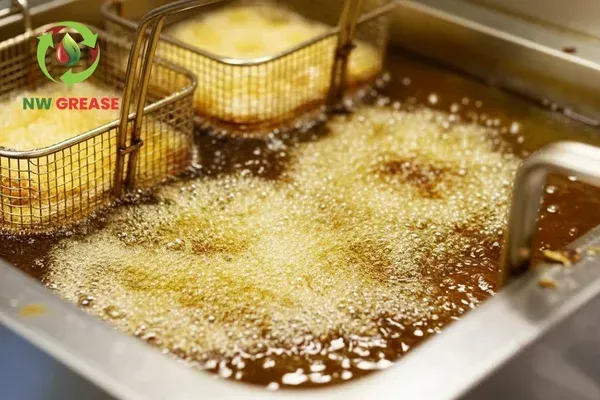
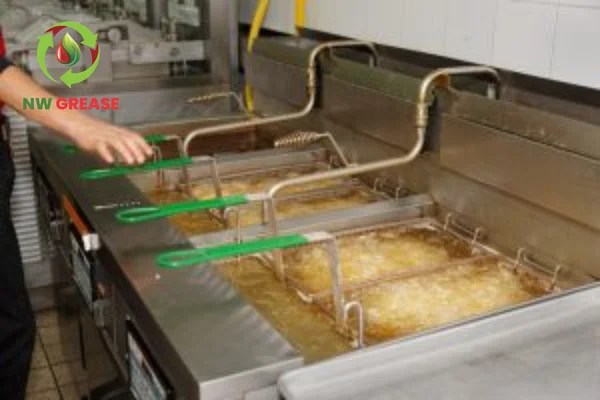
Every commercial kitchen produces waste oil daily. Fryers, grills, sauté stations, and food prep lines all contribute to grease buildup.
Without proper handling, that oil creates serious operational risks such as:
Clogged drains
Sewer backups
Plumbing damage
Slippery floors
Fire hazards
Health code violations
Environmental penalties
Think of grease buildup like rust forming inside machinery. At first, it’s barely noticeable. But over time, it quietly damages everything around it.
Many restaurant owners only react when emergencies happen. Unfortunately, by that point the costs are already high.
This is why proactive used cooking oil recycling has become essential in modern restaurant operations.
What Certified Oil Recyclers Actually Do
Some restaurant owners assume oil recyclers simply pick up used oil containers and drive away.
But certified recycling providers do much more than that.
Professional Restaurant Cooking Oil Recycling companies typically offer:
Scheduled oil collection
Leak-proof storage systems
Automated oil handling equipment
Spill prevention solutions
Regulatory compliance support
Oil recycling and renewable fuel processing
Grease management guidance
Emergency support services
The goal isn’t just waste removal. The goal is operational efficiency and long-term sustainability.
That’s a major difference.
The Financial Benefits of Partnering With Certified Oil Recyclers
Let’s talk about the benefit every restaurant owner cares about most saving money.
Because yes, proper oil recycling can directly improve profitability.
Reduced Plumbing and Maintenance Costs
Improper grease disposal is one of the leading causes of plumbing emergencies in commercial kitchens.
When oil enters drains, it cools and hardens inside pipes. Over time, grease buildup restricts water flow and eventually creates severe blockages.
Emergency plumbing repairs are expensive.
Restaurants often spend thousands of dollars dealing with:
Drain backups
Pipe replacements
Sewer line cleaning
Emergency service calls
Certified recyclers help prevent these problems by creating safe disposal systems that keep oil out of plumbing infrastructure.
That alone can save restaurants enormous amounts of money annually.
Lower Risk of Health Code Violations
Health inspectors take grease management seriously.
Overflowing oil containers, dirty grease traps, slippery floors, and poor disposal practices can all lead to violations and fines.
Certified recyclers help restaurants stay compliant by ensuring proper handling, storage, and transportation of used oil.
This significantly reduces operational risk.
Because let’s be honest nothing hurts a restaurant faster than failing a health inspection.
Improved Kitchen Safety
Commercial kitchens are already high-risk environments.
Adding poorly managed grease into the mix only increases the danger.
Oil spills contribute to:
Slip-and-fall injuries
Fire hazards
Unsafe working conditions
Employee accidents
Certified recyclers often provide safer storage containers, automated pumping systems, and spill prevention tools that reduce workplace hazards dramatically.
A safer kitchen is a more productive kitchen.
Streamlined Restaurant Operations
Busy kitchens thrive on consistency and organization.
When waste oil management becomes chaotic, everything else suffers too.
Certified recyclers help create structured systems for:
Oil storage
Scheduled pickups
Spill prevention
Waste monitoring
Compliance tracking
This allows kitchen managers to focus on food service rather than constantly dealing with grease problems.
Operational simplicity matters more than many businesses realize.
Supporting Sustainability and Environmental Responsibility
Sustainability is no longer just a marketing buzzword.
Customers genuinely care about environmental responsibility now.
Restaurants investing in used cooking oil recycling demonstrate a commitment to cleaner operations and sustainable business practices.
That matters to modern consumers.
Certified recyclers typically convert used oil into products like:
Biodiesel fuel
Renewable energy
Industrial lubricants
Eco-friendly manufacturing materials
Instead of becoming waste, old fryer oil becomes part of a circular economy.
That’s powerful from both an environmental and branding perspective.
How Restaurant Cooking Oil Recycling Supports Renewable Energy
One of the most fascinating parts of Restaurant Cooking Oil Recycling is what happens after collection.
Used cooking oil often gets processed into biodiesel fuel.
Biodiesel is a cleaner burning fuel and reduces emissions of greenhouse gases.
This renewable fuel can help power:
Commercial trucks
Transportation fleets
Industrial machinery
Agricultural equipment
Think about that for a second.
The same oil used to fry chicken wings today could help fuel delivery vehicles next month.
That’s sustainability in real-world action.
The Importance of Choosing Certified Oil Recyclers
Not all recycling providers operate at the same standard.
Certified recyclers follow strict environmental and safety regulations designed to protect both businesses and communities.
Working with certified providers ensures:
Choosing uncertified providers can expose restaurants to unnecessary risk.
In waste management, professionalism matters.
Grease Trap Maintenance Still Matters
Even with professional oil recycling, grease trap maintenance remains critical.
Grease traps prevent fats, oils, and grease from entering sewer systems. But over time, these systems fill up and lose effectiveness.
That’s why many restaurant managers regularly search for grease trap cleaning near me before problems escalate.
Routine grease trap maintenance helps prevent:
Drain backups
Foul odors
Health code violations
Plumbing emergencies
Pest infestations
Think of grease traps like air filters in a vehicle. Ignore them long enough, and performance starts breaking down quickly.
How Certified Recyclers Improve Restaurant Reputation
Customers notice sustainability efforts more than ever before.
Restaurants that invest in responsible recycling programs often strengthen their brand image naturally.
Consumers increasingly support businesses that prioritize:
Environmental responsibility
Waste reduction
Renewable energy
Sustainable operations
Partnering with certified recyclers sends a strong message about professionalism and accountability.
And in competitive restaurant markets, reputation can directly influence revenue.
The Hidden Labor Savings Restaurants Overlook
Many kitchen managers underestimate how much employee time gets wasted handling grease-related issues.
Without professional systems, staff members often spend unnecessary time dealing with:
Oil spills
Overflowing containers
Drain cleaning
Grease transport
Emergency maintenance
Certified recyclers simplify these processes through structured collection systems and automated equipment.
This improves labor efficiency and allows staff to focus on customer service and food preparation instead.
Small operational improvements often create massive long-term savings.
Technology Is Changing Oil Recycling
The oil recycling industry is evolving rapidly.
Modern recycling providers now offer advanced technology such as:
Automated oil monitoring systems
Digital pickup scheduling
Smart storage tanks
Oil filtration equipment
Real-time waste tracking
These innovations help restaurants improve operational visibility and reduce waste even further.
Technology is making commercial kitchens smarter, cleaner, and more sustainable.
The Role of Sustainability in Modern Restaurant Growth
Sustainability has become part of long-term business strategy.
Restaurants across the USA are realizing that environmental responsibility is directly connected to customer loyalty and operational resilience.
That’s why many businesses are investing heavily in:
Recycling systems
Renewable energy initiatives
Sustainable sourcing
Waste reduction programs
Greener supply chains
Oil recycling fits naturally into this larger sustainability movement.
And honestly, it’s becoming increasingly difficult for restaurants to ignore.
How NW Grease Helps Restaurants Simplify Oil Recycling
Many restaurants struggle to fully understand how the recycling process works.
This helpful guide from NW Grease explains the cooking oil recycling process provides a detailed breakdown of how used oil gets transformed into renewable energy and sustainable products.
Working with experienced providers helps restaurants:
Reduce operational stress
Improve sustainability efforts
Prevent plumbing problems
Maintain compliance
Improve overall kitchen efficiency
Professional support simplifies everything.
The Growing Importance of Green Commodity Markets
The increasing demand for renewable energy has created growing interest in sustainable commodity markets worldwide.
Companies like Start Green Commodities are helping drive cleaner energy initiatives and sustainable resource management globally.
This shift is creating even greater demand for recycled cooking oil and renewable fuel production.
Restaurants are becoming unexpected contributors to the clean energy economy.
And that trend is only growing stronger.
Common Mistakes Restaurants Make When Managing Waste Oil
Even successful restaurants sometimes create unnecessary problems through poor grease management practices.
Common mistakes include:
Pouring Oil Down Drains
Still one of the biggest causes of plumbing disasters.
Using Low-Quality Storage Containers
Unsafe containers increase spill and contamination risks.
Ignoring Grease Trap Maintenance
Delayed cleaning creates serious operational hazards.
Waiting Too Long for Pickups
Overflowing oil containers create sanitation issues and safety risks.
Choosing Uncertified Providers
Unqualified vendors increase liability and environmental risks.
Avoiding these mistakes protects both profits and reputation.
Long-Term Business Advantages of Professional Oil Recycling
Restaurants that partner with certified recyclers often experience long-term benefits such as:
Lower operational costs
Improved compliance
Cleaner kitchens
Better workplace safety
Reduced environmental impact
Stronger customer trust
Enhanced brand reputation
Improved operational efficiency
These advantages compound over time.
Good grease management isn’t just maintenance anymore it’s business optimization.
The Future of Used Cooking Oil Recycling in the USA
The future of used cooking oil recycling looks incredibly promising.
As environmental regulations tighten and renewable energy demand increases, oil recycling will likely become even more valuable.
Future innovations may include:
AI-powered waste management systems
Fully automated oil collection
Advanced biodiesel technologies
Smart grease monitoring equipment
Zero-waste commercial kitchen models
Restaurants embracing these systems early are positioning themselves ahead of industry trends.
Sustainability is quickly becoming a competitive advantage, not just an environmental responsibility.
Conclusion
Partnering with certified oil recyclers is no longer just a convenience for restaurants it’s a smart business decision. From reducing plumbing costs and improving safety to supporting renewable energy and strengthening sustainability goals, professional Restaurant Cooking Oil Recycling delivers value across every part of restaurant operations.
Certified providers simplify waste management, improve compliance, reduce operational risk, and help restaurants build cleaner, more efficient kitchens. Combined with routine grease maintenance and proactive searches for reliable grease trap cleaning near me, these partnerships create long-term operational stability and stronger business performance.
In today’s restaurant industry, sustainability and profitability are becoming deeply connected.