Restaurant Oil Disposal Best Practices Every Kitchen Manager Should Know
Introduction:
Running a commercial kitchen is a little like conducting an orchestra. Every station has to move in sync. Fryers are bubbling, cooks are rushing, orders are flying out, and the kitchen manager is trying to keep everything under control. But behind all the noise and activity, there’s one responsibility that often gets overlooked until it becomes a disaster: oil disposal.
Improper oil disposal may seem like a small issue at first, but it can quietly destroy plumbing systems, create health hazards, increase operational costs, and damage a restaurant’s reputation. That’s why smart kitchen managers are now treating used cooking oil recycling as a core part of efficient kitchen operations.
Modern restaurants aren’t just focused on food quality anymore. They’re investing heavily in smarter restaurant waste management systems, sustainable operations, and cleaner kitchens. And honestly, it’s not hard to understand why.
A single mistake with grease handling can lead to clogged drains, sewer backups, emergency plumbing repairs, and even health department penalties. That’s money literally going down the drain.
So, how can kitchen managers stay ahead of these problems?
Let’s break down the best restaurant oil disposal practices every kitchen manager should know to keep operations smooth, sustainable, and profitable.
Why Proper Oil Disposal Matters More Than Ever
Commercial kitchens generate enormous amounts of used oil every day. Fryers, grills, sauté stations, and prep lines all contribute to grease waste. Without proper systems, that grease builds up quickly and creates chaos behind the scenes.
Many restaurant owners underestimate how damaging poor oil disposal can be.
Here’s what improper grease handling often leads to:
Blocked plumbing systems
Grease trap overflow
Foul kitchen odors
Increased pest activity
Health code violations
Expensive emergency repairs
Environmental contamination
Think of grease buildup like cholesterol inside arteries. It slowly narrows the flow until everything stops working properly.
And in a busy restaurant, even a few hours of downtime can hurt profits significantly.
This is exactly why used cooking oil recycling has become such an important topic for modern kitchens.
Understanding Used Cooking Oil Recycling
Let’s clear up a common misconception. Used cooking oil isn’t simply “waste.”
In fact, recycled cooking oil has tremendous value.
Through professional used cooking oil recycling, old fryer oil can be transformed into:
Biodiesel fuel
Renewable energy products
Industrial lubricants
Animal feed additives
Eco-friendly manufacturing materials
That means yesterday’s fryer oil could help fuel trucks tomorrow.
Pretty amazing, right?
Instead of harming sewer systems or ending up in landfills, used oil becomes part of a renewable energy cycle. That’s why more restaurants are partnering with recycling companies to manage oil waste responsibly.
And customers notice these sustainability efforts more than ever before.
The Biggest Oil Disposal Mistakes Restaurants Make
Before discussing best practices, it’s important to understand where many restaurants go wrong.
Pouring Oil Down the Drain
This is still one of the most damaging mistakes in commercial kitchens.
Oil may look harmless while hot, but once it cools, it hardens inside pipes and creates major blockages.
Eventually, drains slow down, sewage backs up, and emergency plumbers become necessary.
Using Unsafe Storage Containers
Cheap or damaged containers increase the risk of spills and contamination.
Leaking oil creates slippery floors, unpleasant odors, and sanitation issues.
Skipping Grease Trap Maintenance
Many kitchens ignore grease trap cleaning until there’s already a problem.
Unfortunately, by then the damage is usually expensive.
If you’ve ever searched for grease trap cleaning near me, chances are you already know how urgent these situations can become.
Inconsistent Pickup Scheduling
Overflowing oil containers are not only messy they’re dangerous.
Regular collection schedules matter more than most managers realize.
Poor Staff Training
Even the best systems fail if employees don’t follow procedures properly.
Kitchen teams need clear oil handling protocols and consistent training.
Best Practices for Restaurant Oil Disposal
Now let’s talk about the solutions that actually work.
Create a Dedicated Oil Disposal System
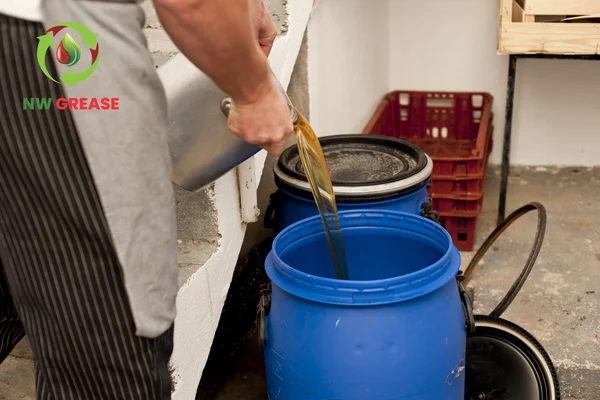
Every commercial kitchen should have a structured oil disposal process.
This includes:
Designated oil storage areas
Clearly labeled disposal containers
Spill prevention equipment
Employee handling guidelines
A proper system removes confusion and reduces mistakes.
The goal is simple: make safe disposal easier than unsafe disposal.
Partner With a Professional Used Cooking Oil Recycling Company
Trying to manage waste oil internally often creates unnecessary headaches.
Professional recycling providers offer:
Safe collection containers
Scheduled pickups
Spill prevention systems
Regulatory compliance support
Environmentally responsible recycling
Many companies even provide automated collection systems that simplify the process further.
Working with experienced providers also improves overall restaurant waste management efficiency.
Schedule Routine Grease Trap Maintenance
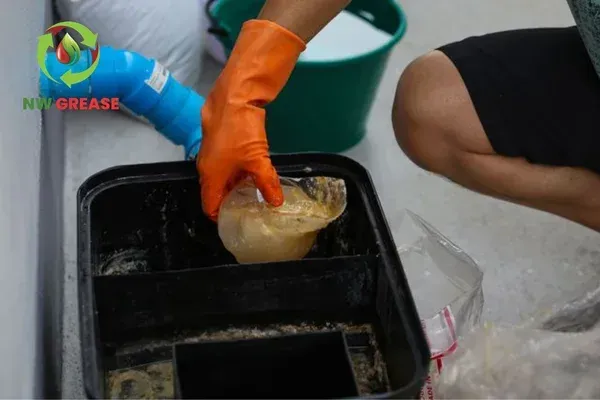
Your grease trap is one of the most important pieces of equipment in the kitchen.
Yet it’s often the most neglected.
Regular grease trap maintenance prevents:
Sewer backups
Drain clogs
Bad odors
Plumbing emergencies
Health code violations
Searching online for grease trap cleaning near me should never happen only during emergencies.
Smart kitchen managers schedule routine cleanings before problems start.
Preventive maintenance always costs less than emergency repairs.
Train Employees Properly
Oil disposal isn’t just a management responsibility. Every kitchen employee plays a role.
Staff training should include:
Proper oil handling techniques
Spill response procedures
Safe transfer methods
Grease trap awareness
Recycling guidelines
Training creates consistency, and consistency prevents accidents.
One untrained employee pouring oil into a sink can undo months of proper maintenance.
Monitor Oil Quality Regularly
Many kitchens replace cooking oil too early or too late.
Replacing oil too early increases waste and operational costs.
Replacing it too late affects food quality and creates excessive grease buildup.
Monitoring oil quality carefully helps kitchens:
Reduce waste
Improve food consistency
Lower oil purchasing costs
Improve sustainability
Small operational improvements create significant long-term savings.
Implement Better Restaurant Waste Management Strategies
Oil disposal is only one part of effective restaurant waste management.
Modern restaurants are now building complete sustainability systems that include:
Food waste reduction
Recycling programs
Composting initiatives
Eco-friendly packaging
Water conservation
Energy-efficient appliances
Oil recycling works best when combined with broader sustainability efforts.
Customers increasingly prefer businesses that care about environmental responsibility.
And honestly, sustainability is becoming a competitive advantage.
Why Sustainability Matters in Modern Restaurants
The restaurant industry is changing rapidly.
Today’s customers don’t just judge restaurants by food quality anymore. They also care about:
Environmental impact
Waste reduction
Sustainable sourcing
Clean energy practices
Ethical operations
This shift is pushing restaurants to rethink their entire operational strategy.
That’s why businesses investing in used cooking oil recycling are gaining attention and trust.
In many ways, sustainability has become part of modern restaurant branding.
Restaurants that ignore this trend risk falling behind competitors who embrace it.
The Environmental Impact of Poor Oil Disposal
Improper oil disposal doesn’t just hurt restaurants. It harms entire communities.
When grease enters sewer systems, it contributes to massive blockages called fatbergs.
These blockages damage public infrastructure and cost cities millions in repairs every year.
Poor disposal also contributes to:
Water pollution
Soil contamination
Increased landfill waste
Harm to wildlife ecosystems
Higher greenhouse gas emissions
By recycling oil responsibly, restaurants become part of the solution instead of part of the problem.
That’s a powerful shift.
How Oil Recycling Supports Renewable Energy
One of the most fascinating aspects of used cooking oil recycling is its connection to renewable energy.
Collected cooking oil is often processed into biodiesel fuel.
Biodiesel burns cleaner than traditional petroleum diesel and produces fewer harmful emissions.
This helps:
Reduce air pollution
Lower carbon emissions
Support cleaner transportation
Reduce fossil fuel dependence
It’s honestly incredible when you think about it.
The same oil used to fry chicken wings today could help power delivery trucks next month.
That’s sustainability in action.
How NW Grease Helps Restaurants Stay Sustainable
Restaurants across Washington are increasingly prioritizing sustainability and proper grease management.
In fact, this helpful guide from NW Grease explains why restaurants in Washington are taking oil recycling and waste management more seriously than ever before.
Working with experienced partners helps restaurants:
Improve operational efficiency
Prevent costly plumbing problems
Simplify oil disposal
Maintain cleaner kitchens
Stay compliant with regulations
Professional support removes much of the stress kitchen managers deal with daily.
Choosing the Right Recycling Partner
Not every recycling company offers the same quality of service.
Kitchen managers should look for providers that offer:
Questions to Ask Before Hiring
A quality recycling partner becomes an extension of your kitchen operation.
The Role of Green Commodity Companies in Sustainability
The growing demand for renewable energy has also increased interest in sustainable commodity markets.
Companies like Start Green Commodities are helping support cleaner energy initiatives and environmentally responsible resource management worldwide.
This larger sustainability movement is creating new opportunities for restaurants to contribute to renewable energy systems through responsible oil recycling.
In many ways, commercial kitchens are becoming unexpected contributors to the clean energy economy.
Technology Is Changing Restaurant Waste Management
Modern technology is making oil disposal smarter and more efficient than ever.
Many commercial kitchens now use:
Automated oil monitoring systems
Smart storage tanks
Digital pickup scheduling
Oil filtration systems
AI-powered waste tracking
These innovations improve safety, reduce waste, and simplify kitchen operations.
The future of restaurant waste management is becoming increasingly automated and sustainable.
Long-Term Benefits of Proper Oil Disposal
Restaurants that invest in proper oil disposal systems often experience long-term benefits such as:
Lower maintenance costs
Improved kitchen safety
Better health inspection results
Reduced environmental impact
Stronger customer trust
Increased operational efficiency
Good grease management protects both profits and reputation.
And in the restaurant business, reputation matters tremendously.
Conclusion
Oil disposal may not be the most glamorous part of restaurant management, but it’s one of the most important. Poor grease handling quietly damages plumbing systems, creates safety risks, increases maintenance costs, and hurts operational efficiency.
That’s why smart kitchen managers are embracing better systems for used cooking oil recycling, stronger restaurant waste management, and routine grease maintenance.
From scheduled recycling pickups to regular searches for reliable grease trap cleaning near me, proactive grease management protects restaurants from expensive emergencies while supporting sustainability goals.
In today’s restaurant industry, sustainability isn’t just good for the environment it’s good business.
And sometimes, the smartest operational improvements begin with something as simple as what’s left behind in the fryer.