Why Your Restaurant Needs a FOG Management Plan in 2025
INTRODUCTION;
As restaurants move into 2025, operational pressure is higher than ever. Rising food costs, stricter environmental regulations, staffing challenges, and increasing customer expectations are forcing restaurant owners to rethink how they manage their kitchens. One area that continues to cause serious problems yet is often overlooked is FOG (Fats, Oils, and Grease) management.
Without a clear and proactive FOG management plan, restaurants risk clogged drains, sewer backups, health code violations, fines, shutdowns, and long-term damage to their reputation. In contrast, kitchens that take FOG seriously operate more efficiently, stay compliant, and strengthen their restaurant sustainability practices.
This blog explains why every restaurant needs a FOG management plan in 2025, how it supports daily operations and compliance, and how services like grease trap cleaning and responsible oil recycling work together to protect your business.
What Is FOG and Why It’s a Growing Problem in 2025
FOG stands for Fats, Oils, and Grease byproducts of cooking that come from frying, grilling, roasting, and food prep. While FOG may seem harmless in small amounts, it becomes a serious issue when it enters plumbing systems.
How FOG Causes Damage
When hot grease goes down the drain, it cools and solidifies inside pipes. Over time, it sticks to pipe walls and traps food particles, eventually forming large blockages. These blockages can lead to:
Slow drains
Sewer backups
Flooded kitchens
Foul odors
Emergency plumbing repairs
Municipal sewer systems are also affected, which is why local governments are enforcing stricter FOG regulations in 2025.
Why 2025 Is a Turning Point for FOG Compliance
Restaurants are facing increased scrutiny due to environmental concerns and aging infrastructure. Cities and counties are no longer willing to absorb the cost of grease-related sewer damage caused by commercial kitchens.
What’s Changing in 2025
Stricter inspections and audits
Higher fines for non-compliance
Mandatory documentation requirements
Increased enforcement of grease trap maintenance
Greater accountability for oil disposal
Restaurants without a documented FOG management plan are at higher risk than ever.
The Operational Impact of Poor FOG Management
FOG problems don’t just affect plumbing they disrupt daily operations.
Common Operational Issues
Unexpected kitchen shutdowns
Emergency grease trap pumping
Lost revenue during peak hours
Health inspection failures
Staff safety risks from slippery floors
A single grease-related backup can shut down service for hours or even days, costing thousands in lost sales.
What a FOG Management Plan Actually Includes
A proper FOG management plan is more than a checklist it’s a system.
Key Components of a Strong Plan
Proper oil handling and storage procedures
Scheduled grease trap cleaning
Employee training and accountability
Approved oil recycling practices
Compliance documentation
Emergency response protocols
This plan should be documented, communicated to staff, and updated regularly.
Grease Trap Cleaning: The Foundation of FOG Control
Grease traps are the first line of defense against FOG entering sewer systems but only if they’re maintained correctly.
Why Regular Grease Trap Cleaning Matters
When grease traps are neglected:
They overflow
Grease bypasses the system
Odors increase
Inspections fail
Routine grease trap cleaning ensures traps function properly and prevents grease from reaching sewer lines.
How Often Should Grease Traps Be Cleaned?
There’s no one-size-fits-all answer, but frequency depends on:
Kitchen volume
Menu type
Cooking methods
Local regulations
High-volume kitchens may need service monthly or even biweekly. A FOG management plan removes guesswork by setting a clear schedule.
Oil Recycling: A Critical Part of FOG Prevention
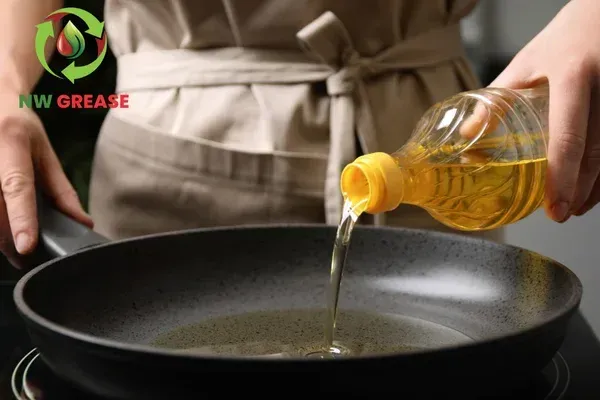
One of the biggest FOG mistakes restaurants make is improper oil disposal.
Why Pouring Oil Down Drains Is Dangerous
Instantly violates regulations
Accelerates pipe blockages
Leads to sewer overflows
Results in fines and penalties
Instead, oil should always be collected and recycled responsibly.
Many restaurants now search for oil recycling near me to find licensed partners who can remove used cooking oil safely and compliantly.
Oil Recycling Supports Operations and Sustainability
Recycling used cooking oil isn’t just about compliance it’s about smarter operations.
Operational Benefits
Cleaner kitchens
Reduced drain issues
Less grease trap strain
Fewer emergency repairs
Sustainability Benefits
Oil is converted into renewable fuel
Reduced landfill waste
Lower environmental impact
Proper oil recycling directly supports long-term restaurant sustainability practices.
Understanding FOG Regulations and Documentation
Compliance isn’t optional in 2025.
Most jurisdictions require restaurants to:
Maintain grease trap service records
Document oil disposal methods
Provide proof of recycling
Show staff training procedures
You can review detailed regulatory requirements in this internal resource:
👉 Oil Disposal Regulations
Documentation protects your restaurant during inspections and audits.
Why Inspections Are Failing More Often
Health departments are increasingly focused on FOG because grease-related sewer damage costs cities millions each year.
Common reasons restaurants fail inspections include:
Overfilled grease traps
Missing service records
Improper oil storage
Evidence of oil poured down drains
Lack of a FOG plan
A documented FOG management plan shows inspectors that your restaurant is proactive, not reactive.
Employee Training: The Weakest Link in FOG Control
Even the best plan fails if staff don’t follow it.
What Employees Should Be Trained On
Never pour oil or grease down sinks
Proper oil transfer procedures
Grease trap awareness
Spill response protocols
Container locations and labeling
Training should be repeated, especially with new or seasonal staff.
FOG Management and Restaurant Sustainability Practices
Today’s customers care how restaurants operate not just what they serve.
Strong restaurant sustainability practices include:
Responsible waste handling
Reduced environmental impact
Compliance with regulations
Support for renewable energy
FOG management plays a direct role in sustainability by preventing pollution and supporting oil recycling initiatives.
How FOG Issues Damage Brand Reputation
Grease problems don’t stay hidden.
Sewer odors reach dining areas
Backups cause closures
Online reviews mention sanitation issues
Health inspection scores are public
A single grease-related incident can damage customer trust.
Technology Is Making FOG Management Easier
Modern tools help restaurants stay ahead of FOG issues.
Technology Solutions Include
Digital service records
Automated grease trap reminders
Smart oil collection scheduling
Real-time compliance tracking
These tools reduce administrative burden while improving compliance.
Choosing the Right FOG Management Partner
Not all service providers are equal.
A reliable partner should offer:
Consistent grease trap cleaning
Licensed oil recycling
Clear documentation
Regulatory expertise
Responsive support
Organizations like Start Green Commodities play an important role in supporting responsible oil recycling and sustainability across the foodservice industry.
Cost of Ignoring FOG Management in 2025
Restaurants that delay action often pay more later.
Potential Costs
Fines and penalties
Emergency plumbing repairs
Lost business from closures
Equipment damage
Legal liability
Preventive FOG management is far less expensive than reactive cleanup.
FOG Management as a Competitive Advantage
Restaurants that manage FOG well:
Pass inspections easily
Avoid costly downtime
Promote sustainability
Build customer trust
Operate more efficiently
In a competitive market, clean operations matter.
Creating a Simple FOG Management Checklist
Every restaurant should have a basic checklist:
Scheduled grease trap cleaning
Oil recycling service in place
Staff trained on FOG procedures
Containers properly labeled
Documentation stored and accessible
This checklist keeps everyone aligned.
Why FOG Management Is an Operations Issue Not Just Maintenance
FOG affects:
Kitchen flow
Staff safety
Compliance
Sustainability
Customer experience
Treating FOG management as an operational priority not a back-of-house afterthought protects the entire business.
How NW Grease Supports Restaurants in 2025
At NW Grease, we understand that FOG management is about more than cleaning traps it’s about protecting restaurants from operational disruptions and compliance risks.
Our services are designed to support:
Reliable grease trap cleaning
Responsible oil recycling
Regulatory compliance
Long-term sustainability
We help restaurants stay ahead not scramble after problems occur.
The Future of FOG Management
FOG enforcement will only increase in the coming years.
Restaurants that act now will:
Avoid penalties
Reduce risk
Strengthen sustainability efforts
Operate with confidence
Those that don’t will face rising costs and stricter enforcement.
Final Thoughts: Why Your Restaurant Needs a FOG Management Plan in 2025
In 2025, FOG management is no longer optional it’s essential.
A clear, documented FOG management plan protects your restaurant from operational disruptions, regulatory penalties, and environmental harm. By prioritizing grease trap cleaning, responsible oil recycling, and strong restaurant sustainability practices, restaurants can operate cleaner, safer, and more efficiently.
If you’re searching for oil recycling near me, remember that the right partner doesn’t just remove waste—they help you stay compliant, sustainable, and prepared for the future.
FOG may start in the kitchen, but how you manage it determines the health of your entire operation.