From Waste to Profit: How Restaurants Are Monetizing Used Cooking Oil
Table of Contents
Introduction: Your Fryer Oil Is Worth More Than You Think
Why Used Cooking Oil Has Become a Valuable Commodity
Understanding Used Cooking Oil Recycling
How Restaurants Turn Waste Oil Into Revenue
The Role of Restaurant Oil Disposal in Profitability
Why Grease Trap Maintenance Protects Your Bottom Line
Hidden Costs of Improper Oil Handling
Real-World Revenue Opportunities for Restaurants
How Professional Collection Services Work
Sustainability as a Competitive Advantage
Choosing the Right Recycling Partner
Final Takeaway
Introduction: Your Fryer Oil Is Worth More Than You Think
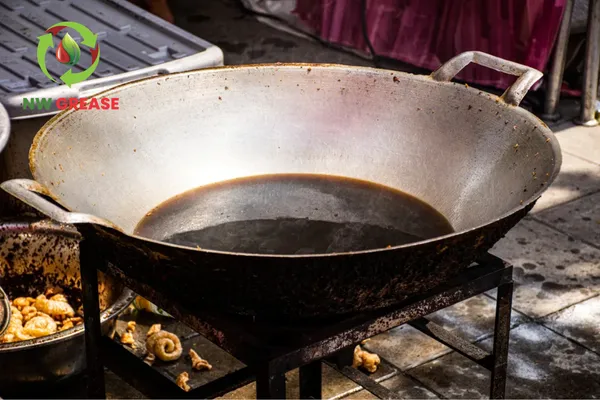
Most restaurant owners see used fryer oil as a messy byproduct that needs to be removed as quickly as possible. But in 2026, that same oil has become a surprisingly valuable asset.
What once filled storage bins behind restaurants is now a sought-after feedstock for biodiesel and renewable diesel production. Through used cooking oil recycling, restaurants can convert everyday waste into a resource that helps lower operating costs and, in some cases, generates direct revenue.
At the same time, proper restaurant oil disposal reduces plumbing issues, improves kitchen safety, and supports more efficient grease trap maintenance.
In other words, your fryer oil is no longer just something to throw away—it is part of a smarter, more profitable approach to kitchen operations.
Why Used Cooking Oil Has Become a Valuable Commodity
Renewable fuel producers increasingly rely on used cooking oil as a sustainable raw material. This demand has created a market where waste oil is treated as a valuable commodity rather than a disposal problem.
Restaurants that produce consistent volumes of fryer oil can benefit from:
Reduced waste management costs
Potential rebate or revenue-sharing opportunities
Improved sustainability reporting
Lower plumbing and maintenance expenses
The more efficiently oil is collected and stored, the greater its recycling value.
Understanding Used Cooking Oil Recycling
Through used cooking oil recycling, spent fryer oil is collected and refined into products such as:
Biodiesel fuel
Renewable diesel
Industrial lubricants
Soap and cleaning products
This process keeps waste out of landfills and supports cleaner energy production.
Organizations like Start Green Commodities help connect restaurants and processors within the renewable fuels supply chain, demonstrating how a routine kitchen byproduct can support a much larger sustainability ecosystem.
How Restaurants Turn Waste Oil Into Revenue
Not every restaurant will receive large checks for used oil, but many can realize meaningful financial benefits.
Direct Compensation
Depending on market conditions and oil volume, some collection partners offer rebates or revenue-sharing agreements.
Lower Service Costs
When oil is handled properly, kitchens experience fewer plumbing emergencies and less wear on grease management systems.
Operational Efficiency
Staff spend less time dealing with waste and more time focusing on service.
Stronger Brand Value
Sustainability initiatives attract environmentally conscious customers and business partners.
The Role of Restaurant Oil Disposal in Profitability
Effective restaurant oil disposal is the foundation of successful oil monetization.
When oil is contaminated with water, food debris, or chemicals, its recycling value decreases. Clean, well-managed oil is more attractive to recyclers and more likely to qualify for compensation.
Best practices include:
Using dedicated, sealed containers
Keeping water out of storage tanks
Training staff on proper transfer procedures
Scheduling timely pickups
These steps protect both operational efficiency and the value of the oil itself.
Why Grease Trap Maintenance Protects Your Bottom Line
Many restaurants overlook the connection between grease trap maintenance and profitability.
When fryer oil is poured into drains, grease traps fill quickly, leading to:
More frequent pumping
Foul odors
Emergency service calls
Potential compliance issues
By diverting bulk oil into recycling containers, restaurants reduce the load on grease traps and lower maintenance costs.
This means that every gallon recycled can help prevent future repair bills.
Hidden Costs of Improper Oil Handling
Poor oil management often creates expenses that go unnoticed until they become serious problems.
Plumbing Repairs
Blocked drains and sewer backups can disrupt operations and require urgent service.
Lost Recycling Value
Contaminated oil may be rejected or yield lower compensation.
Workplace Safety Risks
Oil spills increase the chance of slip-and-fall incidents.
Regulatory Penalties
Improper disposal can lead to fines and corrective actions.
Real-World Revenue Opportunities for Restaurants
Consider a busy restaurant that generates hundreds of gallons of fryer oil each month.
By implementing professional collection and disciplined handling procedures, the restaurant can:
Reduce grease trap cleaning frequency
Avoid emergency plumbing costs
Potentially receive payments for recyclable oil
Improve sustainability reporting for marketing purposes
Even if direct compensation is modest, the combined savings and operational improvements often produce significant value over time.
How Professional Collection Services Work
Professional oil collection follows a simple process.
1. Secure Storage
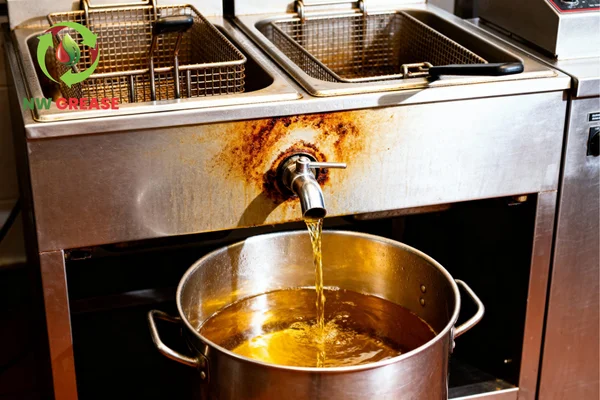
Used oil is transferred into specialized containers or tanks.
2. Scheduled Pickup
A service provider removes the oil at regular intervals.
3. Transportation and Processing
The oil is delivered to a recycling facility for conversion into renewable products.
4. Reporting
Many providers supply documentation to support compliance and sustainability efforts.
For a deeper look at collection and recycling best practices, see this detailed cooking oil recycling guide.
Sustainability as a Competitive Advantage
Customers increasingly support restaurants that demonstrate responsible environmental practices.
By participating in used cooking oil recycling, improving restaurant oil disposal, and staying proactive with grease trap maintenance, restaurants can:
Reduce their carbon footprint
Support renewable energy production
Strengthen brand reputation
Appeal to eco-conscious diners
What begins as a waste management strategy can become a meaningful part of your marketing story.
Choosing the Right Recycling Partner
When evaluating a used oil collection company, look for:
Transparent pricing or rebate structures
Reliable pickup schedules
Secure storage equipment
Responsive customer support
Clear documentation
A strong partner should help you maximize the value of your oil while minimizing operational headaches.
Final Takeaway
Used fryer oil is no longer just a disposal issue it is a business opportunity.
Through used cooking oil recycling, restaurants can transform a routine waste stream into a source of savings, sustainability, and potential revenue. Proper restaurant oil disposal protects the value of the oil, while consistent grease trap maintenance reduces costly infrastructure problems.
The restaurants that thrive in 2026 are those that recognize hidden assets in everyday operations.
With the right systems and partners in place, your used cooking oil can move from waste to profit one gallon at a time.