Winter’s Impact on Grease: Seasonal Tips for Grease Management
Table of Contents
Understanding Grease Trap Overflow Emergencies
Immediate Steps to Take When an Overflow Happens
Why Grease Trap Emergencies Occur
Long-Term Damage Caused by Ignoring Overflow
Emergency Grease Trap Cleaning: Step-by-Step Breakdown
The Role of Proper Oil Disposal & Recycling
Choosing the Right Waste Cooking Oil Collection Service
How to Prevent Future Grease Trap Emergencies
Regulations & Compliance Restaurants Must Follow
Why NW Grease Should Be Your Long-Term Kitchen Partner
Final Thoughts
1. Understanding Grease Trap Overflow Emergencies
A grease trap overflow is more than just messy it’s a threat to:
Your kitchen’s workflow
Employee and guest safety
Your plumbing system
Your local compliance requirements
Your reputation
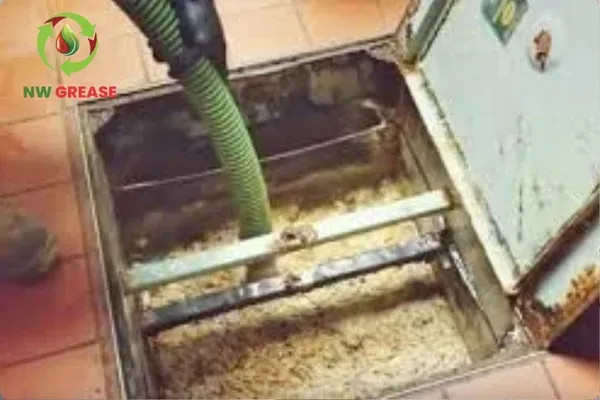
Grease tap is intended to trap fats, oils and grease (FOG) prior to the system running through your plumbing system.. But when they fill up or malfunction, the trap can no longer separate wastewater from grease. This is when raw waste backs up into sinks, floor drains, or even customer-facing areas.
Most restaurant owners don’t see it coming until it’s too late.
A single overflow can cause:
Hours (or days) of downtime
Costly repairs
Health code violations
Permanent odors
Plumbing replacements
This is why having an emergency response plan and a trusted provider is essential.
2. Immediate Steps to Take When an Overflow Happens
When wastewater starts rising or you notice a foul odor spreading from drains, take these steps instantly.
Step 1: Stop Using All Water Sources
Turn off sinks, dishwashers, and any equipment that drains into the grease trap.
This prevents more wastewater from entering the system.
Step 2: Evacuate the Area if Necessary
Wastewater contains bacteria, contaminants, and harmful gases. Keep employees and customers away from the affected areas.
Step 3: Document the Situation
Take photos or videos.
This can help with:
Insurance claims
Health inspector questions
Equipment warranty issues
Step 4: Contact an Emergency Grease Trap Cleaning Specialist
Do NOT attempt to fix the overflow yourself.
Professionals have:
Industrial vacuum systems
Biodegradable degreasers
High-pressure water jetting equipment
Safety gear
Compliance certifications
Trying to handle an overflow with household tools only spreads contamination and worsens the blockage.
Step 5: Report the Incident
Many regions require restaurants to report wastewater issues.
To understand local requirements clearly, read:
Oil Disposal Regulations
3. Why Grease Trap Emergencies Occur
An overflow rarely happens without warning. In nearly all cases, the cause is tied to maintenance.
Common reasons for grease trap overflows:
Neglected cleaning schedules
Improper restaurant oil disposal
Pouring grease into sinks
Food waste and solids entering the trap
Old or undersized grease traps
Mechanical failure
Excessive kitchen volume
Using the wrong cleaning chemicals
Most problems begin with routine processes that seem harmless but accumulate over months.
This is why many restaurant owners suddenly find themselves Google-searching “restaurant cooking oil recycling near me” or “waste cooking oil collection service” when an emergency happens because good oil handling reduces grease trap stress dramatically.
4. Long-Term Damage Caused by Ignoring Overflow
Ignoring or delaying emergency cleaning can turn a minor issue into a catastrophic one.
Long-term consequences include:
Clogged sewer lines
Backflow into dining areas
Mold growth
Corroded plumbing
Fines from city inspectors
Loss of food safety certification
Operations being shut down
Your plumbing system was never meant to carry oil or grease. Once fats harden inside pipes, they can become solid rock-like blockages that cost thousands to remove.
Some restaurants shut down permanently from repeated grease trap violations.
5. Emergency Grease Trap Cleaning: Step-by-Step Breakdown
Here’s how professional teams like NW Grease handle emergency responses.
Step 1: On-Site Inspection
Technicians assess:
The severity of the overflow
The condition of your trap
Any contamination spread
Backup levels in the plumbing
Step 2: Pumping & Waste Removal
Industrial vacuum systems remove:
Grease
Sludge
Food particulates
Wastewater
Solid build-up
Step 3: High-Pressure Hydro Jetting
This clears your incoming and outgoing pipes, preventing future backups.
Step 4: Thorough Trap Scraping & Degreasing
Technicians use specialized tools and eco-safe solutions not commercial chemicals to clean the entire interior.
Step 5: System Reset & Flow Testing
The trap must be tested before your staff can resume kitchen operations.
Step 6: Compliance Documentation
You’ll receive:
Waste manifests
Inspection notes
Cleaning schedule recommendations
This helps protect your business during inspections.
6. The Role of Proper Oil Disposal & Recycling
Grease trap overflow is often the result of poor waste oil handling practices.
Restaurants that don’t dispose of oil properly experience:
Faster trap fill-up
Higher FOG levels
More frequent clogs
Increased emergency incidents
This is where restaurant oil disposal and recycling services become essential.
Why recycling reduces emergencies:
Keeps FOG out of the grease trap
Reduces line blockage
Lowers sewer contamination
Meets environmental compliance
Supports renewable energy industries
Modern recycling methods convert used cooking oil into biofuels. Companies like Start Green Commodities help transform waste oil into sustainable products.
Start Green Commodities
This shows how your restaurant’s oil disposal choices can support large-scale green innovation.
7. Choosing the Right Waste Cooking Oil Collection Service
Not all service providers work the same way. A poor-quality pickup company can actually cause grease trap issues by skipping scheduled pickups or leaving residue behind.
What to look for in a reliable provider:
Fast emergency response availability
Transparent pricing
Clean oil storage containers
Regular pickup schedules
Spill-free collection methods
Environmental compliance
Full recycling process
Local availability when searching for restaurant cooking oil recycling near me
NW Grease partners with eco-friendly processors to ensure all oil is responsibly recycled into renewable energy.
8. How to Prevent Future Grease Trap Emergencies
After dealing with one overflow, your goal should be preventing the next one. Prevention is significantly cheaper than emergency plumbing.
Pro Tips for Preventing Overflows
Clean your grease trap every 30–90 days
Install sink filters
Educate train personnel on what not to discharge down drains.
Avoid using chemical drain cleaners
Schedule regular plumbing inspections
Use a certified waste cooking oil collection service
Follow local oil disposal regulations
If your restaurant has high cooking volume, request a customized schedule from your provider.
9. Regulations & Compliance Restaurants Must Follow
Health departments require strict FOG management.
Violations may include:
Overflowing grease traps
Improper oil disposal
Not maintaining cleaning logs
Polluting sewer lines
Unreported spills or leaks
Penalties include:
Fines
Health code violations
Business closure notices
Environmental penalties
For a full breakdown of compliance rules, read:
Oil Disposal Regulations
10. Why NW Grease Should Be Your Long-Term Kitchen Partner
Choosing the right service for emergency grease trap cleaning isn’t just about speed it’s about trust, consistency, and protection.
NW Grease provides:
24/7 emergency grease trap cleaning
Certified waste oil collection
High-pressure hydro jetting
Scheduled maintenance plans
Eco-friendly recycling
Fully compliant service logs
Affordable pricing for local restaurants
Our teams are trained to respond fast, clean thoroughly, and help you prevent future emergencies.
For anyone searching “restaurant cooking oil recycling near me” or reliable waste cooking oil collection service, NW Grease is your one-stop solution for sustainable kitchen operations.
11. Final Thoughts
A grease trap overflow is stressful but it doesn’t have to become a disaster. With the right emergency response plan, proper oil disposal practices, and a dependable partner like NW Grease, your restaurant can stay compliant, clean, and protected.
Remember:
Overflows happen suddenly
Delays cause expensive damage
Proper oil management prevents 80% of backups
Partnering with certified services protects your business
NW Grease is committed to helping restaurants maintain safe, sustainable, and fully compliant kitchens so you can focus on what matters: serving great food.
