How Rising Biodiesel Demand Is Transforming the U.S. Oil Recycling Industry
Table of Contents
The Growing Connection Between Biodiesel and Used Cooking Oil
Why Biodiesel Demand Is Surging Across the U.S.
Used Cooking Oil: From Kitchen Waste to Energy Resource
How Used Cooking Oil Collection Is Evolving
The Role of Restaurants in the Biodiesel Supply Chain
Grease Trap Cleaning: The Overlooked Backbone of Oil Recycling
Why “Oil Recycling Near Me” Is a Growing Search Trend
Environmental Benefits of Oil Recycling for Biodiesel
Economic Impact on Restaurants and Food Businesses
Regulatory Pressure and Compliance in the U.S.
Technology Transforming the Oil Recycling Industry
Challenges Facing the Oil Recycling Industry
How NW Grease Supports a Cleaner, Smarter Future
What the Future Holds for Biodiesel and Oil Recycling
Final Thoughts: Why This Transformation Matters
The Growing Connection Between Biodiesel and Used Cooking Oil
Across the United States, biodiesel is no longer a niche alternative fuel it has become a critical component of the country’s renewable energy strategy. As biodiesel demand rises, one resource is gaining unprecedented attention: used cooking oil.
What was once considered a messy waste product is now a valuable commodity fueling trucks, buses, and industrial equipment nationwide. This shift has fundamentally changed how restaurants, commercial kitchens, and recycling companies approach used cooking oil collection.
For businesses like NW Grease, this transformation represents both an opportunity and a responsibility to help kitchens manage waste properly while supporting a cleaner, more sustainable energy future.
Why Biodiesel Demand Is Surging Across the U.S.
The rapid growth of biodiesel demand is being driven by several converging factors:
1. Federal and State Renewable Fuel Mandates
Government policies such as the Renewable Fuel Standard (RFS) require transportation fuel to include renewable components. Many states also offer incentives for biodiesel blending, making it financially attractive.
2. Corporate Sustainability Commitments
Large logistics companies, food distributors, and municipalities are under pressure to reduce carbon emissions. Biodiesel offers an immediate, scalable solution without major infrastructure changes.
3. Rising Fossil Fuel Volatility
Fluctuating oil prices and geopolitical instability have pushed industries to seek domestically sourced, renewable fuels making biodiesel an appealing alternative.
As biodiesel production increases, so does the need for reliable feedstocks especially recycled cooking oil.
Used Cooking Oil: From Kitchen Waste to Energy Resource
Used cooking oil has undergone a remarkable transformation in perception. Once dumped illegally or sent to landfills, it is now a high-value input for biodiesel production.
Why Used Cooking Oil Is Ideal for Biodiesel
High energy content
Renewable and continuously generated
Lower carbon footprint than virgin oils
Reduces dependence on crops grown solely for fuel
Every gallon of recycled oil helps offset petroleum use while keeping harmful waste out of sewer systems.
This is why professional used cooking oil collection services are no longer optional they are essential to the renewable energy supply chain.
How Used Cooking Oil Collection Is Evolving
Rising biodiesel demand has transformed oil collection from a basic waste service into a sophisticated logistics operation.
Modern Collection Practices Include
Sealed, tamper-proof containers
Scheduled pickups based on usage volume
Digital tracking and documentation
Theft prevention and contamination control
For restaurants, this evolution means cleaner kitchens, fewer plumbing emergencies, and the peace of mind that their waste oil is being repurposed responsibly.
Professional services like NW Grease ensure oil is collected safely and efficiently, protecting both the business and the environment.
The Role of Restaurants in the Biodiesel Supply Chain
Restaurants are now a critical link in the biodiesel ecosystem. Every fryer emptied contributes directly to renewable fuel production.
Why Restaurants Matter
Millions of gallons of oil are produced daily
Proper storage prevents sewer blockages
Clean oil improves biodiesel quality
Compliance reduces legal and environmental risks
By partnering with a reliable provider, restaurants transform waste management into environmental stewardship.
For businesses searching for responsible disposal options, understanding cooking oil disposal near me is a key first step toward compliance and sustainability.
Grease Trap Cleaning: The Overlooked Backbone of Oil Recycling
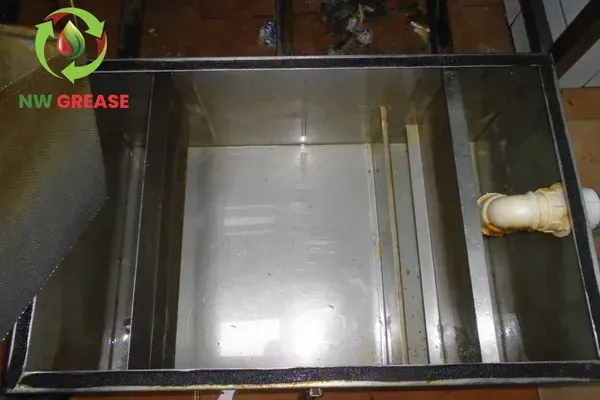
While used cooking oil collection gets much of the attention, grease trap cleaning plays an equally critical role in the oil recycling ecosystem.
Why Grease Traps Matter
Capture fats, oils, and grease (FOG) before sewer entry
Prevent costly backups and overflows
Protect municipal wastewater systems
Support efficient oil recovery
When grease traps are neglected, oil contamination increases making recycling more difficult and expensive.
Routine grease trap maintenance ensures that valuable oils are captured properly instead of clogging pipes or entering waterways.
Why “Oil Recycling Near Me” Is a Growing Search Trend
With the knowledge on oil recycling, companies are becoming more in need of recycling oil around me, and rightly so.
What Businesses Want
Fast response times
Local regulatory compliance
Transparent documentation
Reliable pickup schedules
Local providers like NW Grease understand regional regulations and infrastructure, making them better equipped to deliver consistent service.
Choosing a nearby, reputable partner ensures accountability and reduces transportation emissions further strengthening sustainability goals.
Environmental Benefits of Oil Recycling for Biodiesel
The environmental advantages of recycling cooking oil into biodiesel are substantial and measurable.
Key Environmental Impacts
Reduces greenhouse gas emissions by up to 86%
Prevents sewer overflows and water pollution
Decreases landfill waste
Supports circular economy principles
Every gallon of recycled oil used for biodiesel represents a closed-loop system waste becomes fuel, and fuel supports cleaner transportation.
This is why industry leaders increasingly rely on responsible recyclers such as Start Green Commodities, who specialize in converting recovered oils into renewable energy solutions.
Economic Impact on Restaurants and Food Businesses
Beyond environmental benefits, rising biodiesel demand has reshaped the economics of oil recycling.
Financial Advantages
Potential rebates or credits for clean oil
Reduced plumbing repair costs
Lower risk of regulatory fines
Improved brand reputation
By working with professional collectors, restaurants turn a liability into a managed asset.
Proper grease management also reduces downtime and emergency maintenance saving thousands of dollars annually for high-volume kitchens.
Regulatory Pressure and Compliance in the U.S.
Environmental regulations surrounding fats, oils, and grease have tightened nationwide.
Common Compliance Requirements
Documented oil disposal
Regular grease trap servicing
Proof of licensed collection
Adherence to local wastewater rules
Non-compliance can result in fines, shutdowns, or permit revocation.
Professional providers help businesses stay compliant by offering documented services aligned with local and federal standards reducing stress and legal risk.
Technology Transforming the Oil Recycling Industry
As biodiesel demand grows, technology is reshaping how oil is collected, stored, and processed.
Innovations Include
Smart container sensors
GPS-tracked pickup routes
Automated service scheduling
Digital compliance reporting
These tools improve efficiency, reduce contamination, and ensure consistent oil quality benefiting both recyclers and biodiesel producers.
NW Grease continues to adapt to these advancements, ensuring clients receive modern, dependable service.
Challenges Facing the Oil Recycling Industry
Despite growth, the industry faces real challenges.
Key Obstacles
Oil theft and black-market resale
Contamination from improper storage
Inconsistent supply volumes
Rising transportation costs
Overcoming these challenges requires strong partnerships, education, and enforcement especially at the restaurant level.
Reliable service providers play a crucial role in stabilizing supply chains and protecting legitimate recycling efforts.
How NW Grease Supports a Cleaner, Smarter Future
At the center of this industry transformation is NW Grease.
What Sets NW Grease Apart
Professional used cooking oil collection
Routine grease trap cleaning services
Local expertise and fast response
Compliance-focused operations
Commitment to sustainability
By connecting commercial kitchens to responsible recycling channels, NW Grease supports both environmental goals and business efficiency.
Their work ensures that valuable oil resources are captured, recycled, and reused rather than wasted or mismanaged.
What the Future Holds for Biodiesel and Oil Recycling
Looking ahead, biodiesel demand is expected to continue rising.
Future Trends
Increased reliance on recycled feedstocks
Stricter waste management regulations
Greater demand for local recycling partners
Expanded use of biodiesel in transportation fleets
Used cooking oil will remain a cornerstone of this growth making professional collection and grease management more important than ever.
Businesses that act now position themselves ahead of regulatory pressure while contributing to a cleaner energy future.
Final Thoughts: Why This Transformation Matters
The rise of biodiesel is more than an energy trend it represents a fundamental shift in how America views waste.
Used cooking oil is no longer a problem to discard; it is a resource to manage responsibly. Through proper used cooking oil collection, routine grease trap cleaning, and trusted local services for oil recycling near me, businesses become active participants in sustainability.
For restaurants and commercial kitchens, partnering with NW Grease means:
Cleaner operations
Regulatory compliance
Environmental responsibility
Participation in a renewable energy future
As biodiesel demand continues to transform the U.S. oil recycling industry, the choices made in kitchens today will fuel the cleaner roads of tomorrow.
