How Sustainable Oil Practices Help Restaurants Stand Out in Competitive Markets
Table of Contents
Why Sustainability Matters More Than Ever
What Is Used Cooking Oil Recycling?
How Sustainable Oil Practices Improve Restaurant Operations
Customer Perception and Brand Loyalty
Cost Savings Through Efficient Waste Management
Regulatory Compliance and Risk Reduction
The Role of Grease Trap Maintenance
How Sustainable Practices Support Marketing Efforts
Competitive Advantages of Going Green
Real-World Examples
How to Build a Sustainable Oil Management Strategy
Frequently Asked Questions
Final Thoughts
Why Sustainability Matters More Than Ever
The restaurant industry is evolving rapidly.Today's consumers are more educated and concerned about the environment than at any other time in history. Studies consistently show that people prefer brands that demonstrate a commitment to sustainability.
Restaurants that adopt eco-friendly practices gain several advantages:
Increased customer trust
Improved online reviews
Greater customer loyalty
Stronger community reputation
Reduced operational costs
Easier compliance with regulations
Among all sustainability initiatives, used cooking oil recycling is one of the easiest and most impactful changes a restaurant can make.
What Is Used Cooking Oil Recycling?
Used cooking oil recycling is the process of collecting and converting spent frying oil into useful products such as biodiesel, renewable fuels, and industrial lubricants.
Instead of dumping oil down drains or sending it to landfills, restaurants can partner with professional recyclers who safely collect and process the oil.
Recycled cooking oil is commonly used to create:
Biodiesel fuel
Renewable diesel
Animal feed additives
Industrial products
Soap and detergents
This process reduces pollution and turns kitchen waste into a valuable resource.
How Sustainable Oil Practices Improve Restaurant Operations
Sustainable oil practices go beyond simply disposing of oil correctly. They involve:
Monitoring oil quality
Extending oil life through filtration
Scheduling regular pickups
Preventing theft
Maintaining grease traps
Training staff
Together, these practices support efficient restaurant waste management and improve overall kitchen performance.
Better Kitchen Efficiency
When oil is managed properly, kitchens run more smoothly. Employees spend less time handling waste and more time focusing on food preparation and customer service.
Improved Safety
Used oil can create slip hazards and fire risks if stored improperly. Professional recycling services provide secure containers and safe collection procedures.
Cleaner Facilities
Proper oil handling reduces spills, odors, and clogged drains, contributing to a cleaner and more pleasant environment.
Customer Perception and Brand Loyalty
Today’s diners care about sustainability. Many customers actively choose restaurants that demonstrate environmental responsibility.
By promoting your used cooking oil recycling efforts, you can appeal to:
Eco-conscious consumers
Millennials and Gen Z
Corporate catering clients
Local communities
Business partners
Restaurants that share their sustainability story often receive stronger customer engagement and positive reviews.
Sustainability as a Brand Differentiator
When two restaurants offer similar menus and pricing, customers are more likely to choose the one with visible environmental commitments.
Examples include:
Recycling used cooking oil
Reducing single-use plastics
Composting food waste
Using sustainable packaging
These efforts help your brand stand out and create a compelling story customers want to support.
Cost Savings Through Efficient Waste Management
Many restaurant owners assume sustainability is expensive, but in reality, it often saves money.
Effective restaurant waste management reduces costs in several ways.
Lower Plumbing and Repair Costs
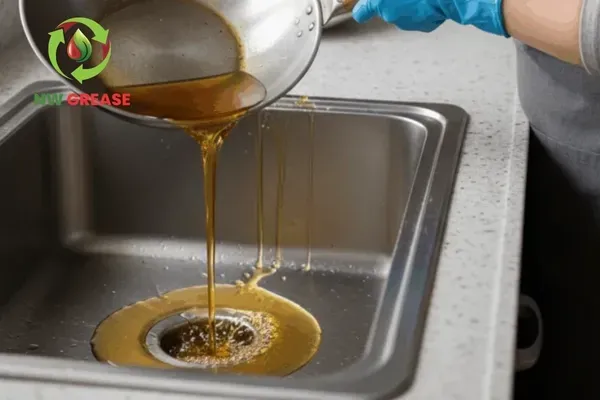
Improper oil disposal causes drain blockages and sewer backups, resulting in costly repairs. Recycling prevents these issues.
Extended Fryer Oil Life
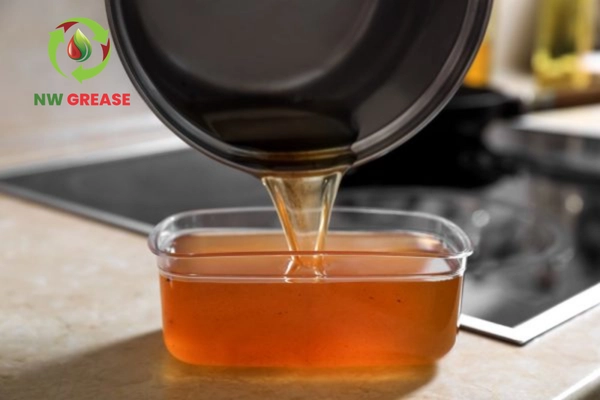
Oil filtration and monitoring help maintain oil quality, reducing how frequently you need to replace it.
Reduced Emergency Service Calls
Routine grease trap maintenance and scheduled oil collection prevent unexpected disruptions.
Revenue Opportunities
Some recyclers provide rebates or credits based on the volume and quality of used oil collected.
Regulatory Compliance and Risk Reduction
Restaurants must comply with strict environmental and health regulations. Improper oil disposal can lead to:
Heavy fines
Health code violations
Sewer surcharges
Environmental penalties
Reputation damage
Used cooking oil recycling helps ensure compliance with municipal and state requirements.
Professional providers maintain detailed service records, making inspections and audits easier.
The Role of Grease Trap Maintenance
While recycling handles spent fryer oil, grease trap maintenance manages fats, oils, and grease (FOG) entering the plumbing system.
Grease traps capture FOG before it reaches sewer lines, preventing blockages and overflows.
Why Grease Trap Maintenance Matters
Neglected grease traps can cause:
Foul odors
Slow drains
Sewer backups
Pest infestations
Regulatory violations
Regular maintenance keeps kitchen systems functioning efficiently and protects public infrastructure.
Sustainable Benefits of Grease Trap Maintenance
When grease traps operate effectively, they:
Reduce pollution
Prevent sewer overflows
Improve sanitation
Lower repair costs
Support environmental goals
Combined with used cooking oil recycling, grease trap care forms the foundation of responsible restaurant waste management.
How Sustainable Practices Support Marketing Efforts
Sustainability is also a powerful marketing tool.
Restaurants can highlight their green initiatives in:
Website content
Social media posts
Press releases
Email newsletters
Menu inserts
In-store signage
SEO Benefits
Publishing content about used cooking oil recycling and restaurant waste management can improve search engine rankings and attract environmentally conscious customers.
Popular search terms include:
Eco-friendly restaurants near me
Sustainable restaurants
Restaurant oil recycling
Green dining options
Social Media Engagement
Consumers enjoy supporting businesses with authentic sustainability stories. Sharing your recycling milestones and environmental impact can increase engagement and strengthen customer loyalty.
Competitive Advantages of Going Green
Sustainable oil practices provide multiple advantages over competitors.
Attracting New Customers
Environmental responsibility appeals to diners who prioritize ethical spending.
Winning Corporate Accounts
Many companies prefer catering partners that align with their sustainability policies.
Improving Employee Morale
Staff members often feel more engaged when working for businesses with meaningful environmental commitments.
Strengthening Investor and Franchise Appeal
Sustainability programs demonstrate operational maturity and long-term thinking.
Real-World Examples
Across the restaurant industry, businesses are using used cooking oil recycling to enhance both profitability and reputation.
Quick-Service Restaurants
Fast-food chains generate significant volumes of fryer oil. Recycling reduces waste and supports corporate sustainability targets.
Independent Restaurants
Small establishments use recycling to cut costs and attract environmentally conscious diners.
Hotel Kitchens
Hotels benefit from integrated restaurant waste management programs that simplify operations and improve compliance.
How to Build a Sustainable Oil Management Strategy
Implementing sustainable oil practices does not require major changes. Start with these steps.
1. Audit Current Practices
Review how your restaurant stores, filters, and disposes of cooking oil.
2. Partner With a Reliable Recycler
Choose a professional provider with secure containers, regular pickups, and transparent reporting.
3. Schedule Grease Trap Maintenance
Create a preventative maintenance plan based on kitchen volume and local requirements.
4. Train Employees
Teach staff proper oil handling, storage, and spill prevention techniques.
5. Track Performance
Measure oil usage, recycling volume, and maintenance costs to identify opportunities for improvement.
6. Promote Your Sustainability Efforts
Share your environmental initiatives with customers through marketing and in-store messaging.
Frequently Asked Questions
Is used cooking oil recycling mandatory?
Regulations vary by location, but proper disposal is typically required. Recycling is often the most compliant and environmentally responsible solution.
Can restaurants earn money from used cooking oil?
Yes. Depending on market conditions and oil quality, some recycling providers offer rebates or service credits.
How often should grease traps be cleaned?
Cleaning frequency depends on kitchen activity, but many restaurants require monthly or quarterly service.
Does sustainable waste management improve customer loyalty?
Absolutely. Consumers increasingly prefer businesses that demonstrate environmental responsibility.
The Environmental Impact of Used Cooking Oil Recycling
Every gallon of oil recycled reduces landfill waste and supports the production of renewable fuels. Biodiesel created from used cooking oil emits fewer greenhouse gases than petroleum diesel.
This means your restaurant can contribute directly to cleaner air, reduced carbon emissions, and a healthier environment.
Building Trust With Modern Consumers
Transparency matters. Customers appreciate businesses that openly discuss how they reduce waste and operate responsibly.
By showcasing your used cooking oil recycling, grease trap maintenance, and restaurant waste management efforts, you provide customers with a reason to choose your restaurant over competitors.
Final Thoughts
Restaurants that embrace sustainable oil practices gain far more than environmental benefits. They reduce costs, improve compliance, enhance operational efficiency, and strengthen their brand.
In competitive markets, small operational improvements can create significant differentiation. Used cooking oil recycling, effective restaurant waste management, and consistent grease trap maintenance demonstrate that your restaurant is committed to responsible growth and long-term success.
By partnering with trusted providers and sharing your sustainability story, you can turn waste into opportunity and position your restaurant as a leader in modern, eco-conscious dining.