How to Properly Store and Manage Waste Cooking Oil in Your Kitchen
Table of Contents
Introduction: Why Managing Waste Cooking Oil Matters
Understanding Waste Cooking Oil Storage Regulations
Common Challenges in Kitchen Oil Management
The Right Way to Store Used Cooking Oil
How Used Cooking Oil Recycling Works
Partnering with a Professional Oil Management Service
Benefits of Compliance and Sustainability
The Future of the Used Cooking Oil Management Service Market
Environmental and Business Impact
Final Thoughts
FAQs
Introduction: Why Managing Waste Cooking Oil Matters
Cooking oil is essential in every kitchen from bustling restaurants to home fryers. Yet, once that oil has served its purpose, it becomes waste cooking oil (WCO) a material that, if not managed correctly, can harm both plumbing and the environment.
Improper disposal of cooking oil like pouring it down the drain can cause severe blockages, sewer backups, and pollution. But here’s the good news: when handled properly, used oil transforms from a waste product into a valuable resource for biodiesel, animal feed additives, and even eco-friendly lubricants.
Companies like NW Grease are leading the charge in providing safe, compliant, and sustainable oil recycling services, helping kitchens of all sizes adopt responsible waste practices.
Understanding Waste Cooking Oil Storage Regulations
Waste cooking oil isn’t just kitchen residue it’s a regulated waste stream. Many local and federal agencies, including the EPA and regional environmental departments, have strict waste cooking oil storage regulations designed to prevent contamination, spills, and pollution.
Key Compliance Rules You Should Know
Containment Requirements – Used cooking oil must be stored in leak-proof, clearly labeled containers that prevent spills and cross-contamination.
Secondary Containment Systems – Some regions require an additional layer of containment (like drip trays or barriers) to catch accidental leaks.
Proper Labeling – Containers should be labeled “Used Cooking Oil” and kept separate from other waste streams.
Storage Location – Oil containers should be placed on flat, impermeable surfaces, away from drains, sinks, and stormwater outlets.
Disposal Tracking – Businesses often need manifests or service logs showing that waste oil is collected and recycled by a licensed hauler.
Failing to follow these waste cooking oil storage regulations can lead to fines, safety hazards, and even damage to your reputation. Partnering with a certified service like NW Grease ensures you meet every regulation effortlessly.
Common Challenges in Kitchen Oil Management
Managing used cooking oil isn’t as easy as just tossing it in a bin. Restaurants, commercial kitchens, and households often face issues like:
Overflowing containers during peak operations
Cross-contamination from food particles or water
Leaks and odors from poor storage practices
Inconsistent pickup schedules from unreliable recyclers
Lack of staff training on oil handling and safety
These problems don’t just cause mess they increase the risk of noncompliance and environmental harm.
The Right Way to Store Used Cooking Oil
1. Choose the Right Container
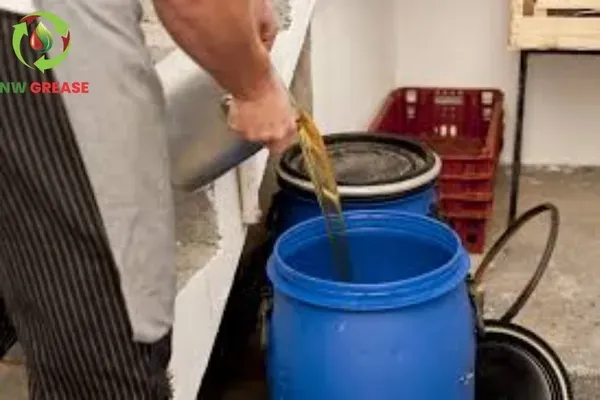
Use sealed, non-reactive metal or heavy-duty plastic containers designed for waste oil storage. NW Grease provides purpose-built containers that are durable, easy to clean, and compliant with environmental guidelines.
2. Cool Before You Store
Hot oil can damage containers and pose fire risks. Always let oil cool to 100°F or lower before transferring it into storage containers.
3. Filter Before Storage
Remove food scraps, breading, or water to keep oil clean and valuable for recycling. Simple kitchen strainers or mesh filters work wonders.
4. Label Clearly
Mark containers “USED COOKING OIL” to avoid mix-ups with other liquids. Clear labeling also helps your recycling partner manage pickup and processing efficiently.
5. Keep Containers Closed
Open containers attract pests, produce odors, and risk contamination. Always secure lids tightly after each use.
6. Store in a Cool, Dry Place
Avoid heat sources, direct sunlight, or wet floors. Proper ventilation prevents odors and maintains oil quality for recycling.
7. Schedule Regular Pickups
Don’t wait until the container overflows. Services like NW Grease offer flexible pickup schedules to keep your kitchen compliant and clean.
How Used Cooking Oil Recycling Works
When you partner with a professional recycling provider, your used oil embarks on a new life cycle:
Collection – The recycler collects your oil safely and transports it to a certified facility.
Filtration & Cleaning – The oil undergoes multiple stages of grease cleaning and filtering to remove solids and water.
Processing – Clean oil is transformed into biodiesel or bio-lubricants, renewable alternatives to fossil fuels.
Reuse or Resale – The recycled oil contributes to renewable energy markets, powering vehicles or machinery sustainably.
Through used kitchen oil recycling, your waste becomes part of a larger circular economy reducing carbon footprints and creating green jobs.
Partnering with a Professional Oil Management Service
Working with a used cooking oil management service isn’t just about convenience it’s about responsibility. Certified recyclers like NW Grease handle every step: storage, pickup, transportation, and documentation.
What to Expect from a Professional Service
Free, compliant containers sized to your kitchen’s needs
Scheduled pickups based on your oil output
Proper grease trap maintenance (to prevent costly blockages)
Certified recycling that meets local regulations
Transparent reporting for audits and sustainability metrics
NW Grease has earned a strong reputation across the used cooking oil management service market, thanks to their focus on customer care, compliance, and sustainability.
Benefits of Compliance and Sustainability
1. Protecting the Environment
By recycling your oil, you prevent clogged sewers, polluted waterways, and toxic emissions. Every gallon recycled keeps harmful substances out of landfills and ecosystems.
2. Financial Benefits
Some recyclers offer compensation or credits for high-quality oil. Plus, compliant storage reduces maintenance costs caused by leaks or clogs.
3. Improved Kitchen Efficiency
Organized oil storage eliminates mess, reduces odors, and improves safety for your staff.
4. Strengthened Brand Reputation
Eco-conscious customers appreciate businesses that demonstrate green initiatives. Promoting your oil recycling partnership enhances your sustainability image.
For additional guidance on commercial oil management technologies and environmental innovation, check out Kernuco’s insights on eco-sustainable solutions.
The Future of the Used Cooking Oil Management Service Market
Globally, the used cooking oil management service market is booming. As governments tighten environmental regulations and the biodiesel industry expands, recycled oil is becoming a hot commodity.
Market Trends to Watch
Growth in renewable energy demand
Increased sustainability reporting in the food industry
Expansion of local collection networks
Emergence of smart recycling technology (like IoT-tracked containers)
By getting ahead of regulations and joining responsible recyclers like NW Grease, you future-proof your kitchen against environmental and compliance risks.
Environmental and Business Impact
Used cooking oil is more than waste it’s a resource. Recycling one gallon of used oil can produce enough biodiesel to drive a vehicle for miles while emitting up to 80% fewer greenhouse gases than conventional diesel.
By taking small steps proper storage, regular pickups, and trained staff you help create a cleaner, greener future. It’s not just about following waste cooking oil storage regulations; it’s about doing what’s right for the planet and your business.
Final Thoughts
Managing and storing waste cooking oil responsibly is a simple act with powerful results. With the right containers, habits, and partnerships, your kitchen can become a model of sustainability and compliance.
NW Grease’s expertise ensures every drop of oil is collected, cleaned, and repurposed safely helping you stay compliant and environmentally conscious.
So next time you fry, sauté, or roast, remember: your oil doesn’t have to go to waste. With proper management and recycling, grease truly becomes green.
FAQs
Q1. What happens if I pour cooking oil down the drain?
It can solidify, block pipes, and cause environmental pollution. Always store oil for recycling instead.
Q2. How often should I dispose of used oil?
It depends on your kitchen’s volume. Commercial kitchens often require weekly or biweekly collection.
Q3. Are there specific containers for storing used oil?
Yes, you should use certified, sealed containers provided by a recycling company like NW Grease.
Q4. What is the best way to dispose of cooking oil at home?
Cool it, pour into a sealed container, and bring it to a local recycling or drop-off center.
Q5. Why are waste cooking oil storage regulations important?
They protect the environment, prevent contamination, and ensure safe recycling processes across industries.