Emergency Grease Trap Cleaning: What to Do When Overflow Happens
Table of Contents
Introduction
What Causes a Grease Trap Overflow?
Warning Signs Your Grease Trap Is About to Fail
Step-by-Step: What to Do During a Grease Trap Emergency
When to Call 24/7 Grease Trap Emergency Cleaning Services
Kitchen Drain Grease Overflow: Immediate Actions to Protect Your Facility
Long-Term Cost, Safety & Eco Impacts
Case Study: How Harbor Street Diner Avoided a $30,000 Shutdown
Emergency Cleaning vs. Routine Cleaning: What’s the Difference?
Tools & Technologies That Prevent Future Overflows
Internal & External Resources for Better Grease Management
Final Thoughts
Introduction
A grease trap overflow is one of the fastest ways to stop a kitchen in its tracks. Wastewater begins backing up, foul odors spread through the dining area, and your staff scrambles to contain the mess. If you’re in operation during busy hours, this can turn into:
an immediate health code violation
a fire hazard
plumbing damage
mold and bacterial contamination
a temporary business shutdown
And the worst part? Overflows often happen at the most inconvenient times late evenings, weekends, or right before a large event.
That’s why restaurants rely on 24/7 grease trap emergency cleaning services to handle crises fast, safely, and with the right equipment.
But before the professionals arrive, your team needs to know exactly what to do and what to avoid to minimize damage.
What Causes a Grease Trap Overflow?
The most common causes include:
1. Full or neglected grease traps
When a grease trap isn’t emptied regularly, grease layers rise until wastewater can’t pass through.
2. Food solids and debris
Particles settle in the trap and reduce its capacity.
3. Melted grease entering the system
Using boiling water or harsh chemical cleaners liquifies grease temporarily until it re-solidifies deeper in the plumbing.
4. Heavy cooking load increases
Peak seasons = more grease output.
5. Incorrect grease trap size
Many restaurants run oversized kitchens with undersized traps.
6. Blocked outgoing pipes
Grease buildup in connecting pipes causes backups.
7. Poor staff habits
Pouring oils down the drain even small amounts adds up.
Understanding the root cause is the first step in preventing future emergencies.
Warning Signs Your Grease Trap Is About to Fail
Before a full overflow, kitchens usually notice:
slow kitchen floor drains
bubbling or gurgling sounds
foul sewer smells near sinks
water pooling around sinks or mop stations
unusually greasy wastewater
the grease that is applied on the top surface, which is near the lid.
fruit flies hovering around drains
dishwasher not draining correctly
Catching these signs early helps you avoid a complete grease trap emergency later.
Step-by-Step: What to Do During a Grease Trap Emergency
When a grease trap overflows, seconds matter. Here's the exact emergency protocol every kitchen should follow:
1. Stop all water usage immediately
Running water during an overflow forces more FOG into the system, worsening the backup.
Turn off:
dishwashers
prep sinks
mop sinks
handwashing sinks
floor cleaning systems
2. Block access to affected areas
Use caution signs or cones. Overflows are slip hazards and contamination risks.
Keep customers out of impacted areas at all costs.
3. Shut down food prep and cooking involving sinks
The health inspector will shut you down anyway if food is being prepped near sewage backup.
4.24/7emergency cleaning service grease trap
This ensures trained technicians arrive with:
vacuum trucks
high-pressure jetting equipment
biosafe cleaning chemicals
inspection tools
protective gear
Make this call immediately don’t wait and hope the issue “fixes itself.”
5. Separate gray water from the food preparation area
Use barriers or plastic sheeting to prevent cross-contamination.
6. Document everything
For insurance and compliance purposes, record:
time of overflow
visible damage
odors
backups
affected areas
Photos help speed up claim approvals.
7. Disinfect once the trap is cleaned
After professional technicians pump and clean the trap, sanitize all affected floors, walls, and equipment especially around prep areas.
8. Find and fix the root cause
Ask your technician to show:
grease layer thickness
solid layer thickness
blockages
structural trap issues
pipe clogs
This is the key to preventing repeat emergencies.
When to Call 24/7 Grease Trap Emergency Cleaning Services
Call immediately if you notice:
water backing up through floor drains
grease bubbling out of sinks
overpowering odors from drain lines
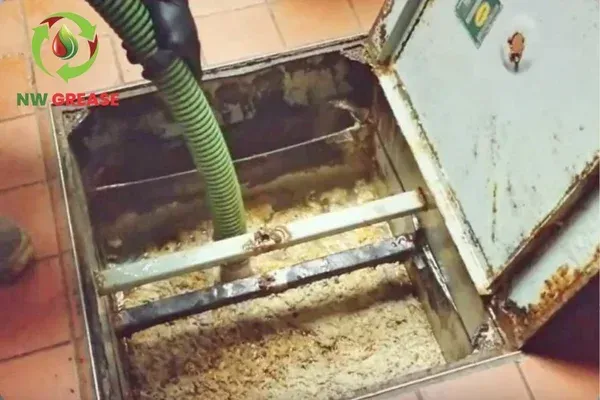
visible sludge around the grease trap lid
kitchen drain grease overflow spreading across the floor
flooding in the mop sink area
repeated clogs in multiple sinks at the same time
If any two drains in your kitchen back up at once, it’s likely a grease trap issue not just a clogged pipe.
Kitchen Drain Grease Overflow: Immediate Actions to Protect Your Facility
Here’s what to do specifically when kitchen drains overflow with grease:
1. Don’t try to push the grease down the drain
Hot water only melts grease temporarily.
2. Avoid chemical drain cleaners
They damage traps and pipes and are illegal in some municipalities for FOG management.
3. Contain the spill
Use floor pads or towels to stop it from spreading.
4. Ventilate the area
Reduce fumes and odors.
5. Remove nearby food products
Throw away anything that could have been contaminated.
6. Call emergency cleaning technicians
They’ll handle:
pumping
jetting
sanitizing
inspecting
deodorizing
Grease overflows are biohazard risks professional intervention is mandatory.
Long-Term Cost, Safety & Eco Impacts of Overflow
Grease trap overflows affect more than just today’s kitchen schedule.
Cost Impacts
plumbing repairs ($2,000–$15,000)
emergency pump-outs ($400–$1,000)
fines from city sewer authorities
lost business revenue from shutdown
equipment damage
overtime labor
Safety Impacts
slippery floors → worker injuries
contaminated food prep zones
cross-contamination risks
bacterial growth
Environmental Impacts
grease entering storm drains
polluted waterways
increased landfill bio-waste
harmful methane emissions
Proper emergency management is essential to avoiding these long-term consequences.
Case Study: How Harbor Street Diner Avoided a $30,000 Shutdown
To illustrate the real-world value of emergency services, here’s a fictional but realistic case based on industry patterns.
Background
Harbor Street Diner, a family-owned coastal restaurant, operated with a 50-seat dining area and heavy weekend traffic.
Despite consistent food quality, the owners often struggled with:
slow drainage
periodic odors
an older grease trap
high grease output from fried seafood dishes
They assumed their grease trap was “just old,” and regular monthly service was enough.
It wasn’t.
The Emergency
On the Saturday of a major local festival Harbor Street’s busiest day of the year the kitchen sink suddenly bubbled up with brown, greasy wastewater. Within minutes:
floor drains overflowed
foul odors entered the dining room
prep tables became unusable
a health inspector (in the area due to the festival) was notified
The inspector warned them:
“If this isn’t fixed in the next hour, you’ll be shut down for the weekend.”
A shutdown during festival weekend would have cost them over $30,000 in lost revenue and fines.
The Solution
The diner immediately called a 24/7 grease trap emergency cleaning company.
A team arrived in 40 minutes with:
a vacuum pump truck
high-pressure jetting equipment
biosafe treatment chemicals
They discovered:
the grease trap was 95% full
solid layers were 6 inches thick
outgoing lines were almost fully blocked
grease had hardened deep in the drainage system
Technicians performed:
emergency pumping
complete trap cleaning
hydro-jetting of all outgoing lines
odor neutralization
sanitation of the overflow area
a compliance inspection report
The Results
Harbor Street Diner:
reopened within 2 hours
passed the inspector’s follow-up
avoided shutdown
prevented future blockages
They upgraded to a biweekly service schedule and implemented habits recommended by technicians, including the restaurant maintenance checklist found here:
👉 Commercial Kitchen Maintenance Guide
Six months later:
no further overflows
kitchen efficiency increased
customer experience improved
workers spent less time dealing with drain issues
saved approximately $12,000 in plumbing & repair costs
The owner later admitted:
“If we waited even 10 more minutes to call emergency cleaning, we would’ve shut down the entire weekend.”
Emergency Cleaning vs. Routine Cleaning: What’s the Difference?
Routine cleaning prevents emergencies.
Emergency cleaning rescues you from expensive disasters.
You need both.
Tools & Technologies That Prevent Future Overflows
Modern kitchens can dramatically reduce risk with:
grease trap sensors (monitor fill levels in real time)
automated GP (grease production) logs
high-efficiency interceptors
smart drain filters
enzyme-based maintenance products
AI-based kitchen flow monitoring
advanced oil recycling systems
Some restaurants even partner with recycling companies such as Start Green Commodities who help convert used oil into sustainable products reducing environmental footprint and cutting waste.
Final Thoughts
Grease trap overflows are stressful, disruptive, and expensive but they are 100% preventable with the right systems, habits, and emergency protocols.
By understanding the warning signs, knowing what to do in the first 10 minutes, and relying on professional 24/7 grease trap emergency cleaning services, your kitchen can avoid shutdowns, fines, and massive repair bills.
Combine smart habits with scheduled maintenance, and you’ll maintain a cleaner, safer, and more sustainable kitchen while protecting your business and your customers.