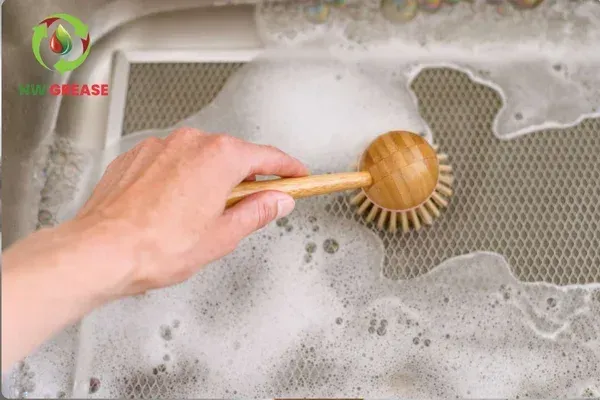
Kitchen Exhaust Hood Cleaning” — What Does It Include?
Table of Contents
What Is Kitchen Exhaust Hood Cleaning?
Why Hood Cleaning Matters More Than You Think
How Grease Buildup Becomes a Fire Hazard
What a Professional Hood Cleaning Service Actually Includes
Hood Components Cleaned During a Full-Service Appointment
The Difference Between Basic Cleaning vs. Full Deep Hood Cleaning
How Often Should Restaurants Schedule Hood Cleaning?
Why DIY Hood Cleaning Is Never Enough
How Hood Cleaning Connects to Sustainable Kitchen Practices
The Hidden Benefits of a Cleaner, Well-Ventilated Kitchen
How to Choose the Right Grease Hood Cleaning Company
When Dryer Vent Cleaning Service Near Me Matters Too
Cost, Time & What to Expect from NW Grease
Final Thoughts: Clean Hood, Safe Kitchen
1. What Is Kitchen Exhaust Hood Cleaning?
Kitchen exhaust hood cleaning is a professional, deep-cleaning process that removes built-up grease, smoke residue, oils, and flammable debris from your hood, filters, ducts, fans, and ventilation system. These areas catch and accumulate grease every time you cook. Over time, the buildup becomes thicker, stickier, and far more dangerous.
Professional hood cleaning goes far beyond wiping the hood’s outer surface it targets the areas you can’t see but must keep clean to prevent fires, poor airflow, and health violations.
A complete service includes:
Hood canopy cleaning
Filter cleaning or replacement
Cleaning of grease troughs and drip cups
Full ductwork degreasing
Exhaust fan and motor cleaning
Polishing stainless steel for cleanliness and hygiene
It’s one of the most important safety procedures for any commercial kitchen.
2. Why Hood Cleaning Matters More Than You Think
Restaurant equipment might be expensive, but nothing costs more financially and emotionally than a restaurant fire. Grease fires are the number one cause of commercial kitchen fires, and in nearly all cases, the flames spread through dirty ventilation systems.
Why? Because grease is highly flammable.
Grease buildup inside your hood and ductwork acts like fuel waiting for ignition. A single flare-up from a grill, fry station, or stove can send flames upward. If the grease inside your hood hasn’t been removed, it becomes a fire highway directly to the duct system.
Regular kitchen exhaust hood cleaning:
Reduces fire risk
Keeps ventilation efficient
Protects your staff and customers
Ensures legal compliance
Lowers long-term repair and energy costs
Improves kitchen comfort
This isn’t just a cleaning task it’s a major safety requirement.
3. How Grease Buildup Becomes a Fire Hazard
Every restaurant cooks differently, but they all share one thing: grease. Even if you don’t fry foods, airborne grease travels with steam and smoke, attaching itself to the hood system.
Over time:
A thin layer becomes a thick coat
A thick coat becomes a flammable shell
A flammable shell becomes a fire hazard
When this residue ignites:
Flames rise into the ducts
The duct acts like a chimney
Fire spreads rapidly through the building
Fire suppression systems struggle to reach deep-in-duct fires
Many restaurant owners don’t think about hidden grease, but inspectors do. And insurance companies definitely do many deny claims if hood systems weren’t cleaned regularly by a certified provider.
4. What a Professional Hood Cleaning Service Actually Includes
A real, certified hood cleaning is much more than wiping surfaces. It is a multi-step procedure designed to remove grease from every connected part of your exhaust system. Here’s what’s included step-by-step:
1. Inspection of the Entire Exhaust System
Technicians examine:
Hood canopy
Filters
Ductwork
Grease accumulation levels
Fan housing and blades
Exhaust and airflow strength
This inspection helps identify blockages, excessive grease, mechanical issues, or hidden fire risks.
2. Protecting Equipment & Surfaces
Before cleaning starts:
Plastic sheeting covers kitchen equipment
Floors are protected
Water-resistant barriers are set up
This ensures your kitchen stays spotless.
3. Removal of Hood Filters
Filters are soaked, degreased, pressure-cleaned, and polished.
If they’re damaged, a reputable grease hood cleaning company will recommend replacements.
4. Heavy Degreasing of the Hood Canopy
All visible and non-visible surfaces are scrubbed with industrial, restaurant-safe degreasers.
5. Deep Cleaning Inside the Ductwork
Using long tools, high-pressure washers, and heated degreasers, technicians remove all grease inside the ducts.
This step is crucial most fires start here.
6. Exhaust Fan & Motor Cleaning
The fan is carefully removed and cleaned:
Blades degreased
Housing cleaned
Bearings inspected
Belts checked
Fan cleaning improves airflow and reduces energy usage.
7. Grease Troughs, Cups & Drains Cleaned
These areas catch dripping grease but often overflow if not cleaned.
8. Detailed Before & After Photos
Professional companies provide photo documentation for:
Health inspectors
Insurance companies
Fire marshals
Your own records
9. Final Polish & Cleanup
Stainless steel surfaces are polished and dried, leaving the hood shiny, clean, and safe.
10. Certification Sticker
A dated sticker is placed on the hood, proving compliance.
5. Hood Components Cleaned During a Full-Service Appointment
A legitimate hood cleaning includes all these components:
Hood canopy (inside & outside)
Hood baffles/filters
Grease rails & troughs
Grease cups
Vertical & horizontal ducts
Access panels
Exhaust fan blades
Fan housing
Fan motor areas
Roof-level fan components
Plenums
Drip trays
Surrounding stainless steel
If your current cleaner is not cleaning everything listed above, they’re not performing a complete NFPA-compliant cleaning.
6. Basic Cleaning vs. Full Deep Hood Cleaning
Basic Surface Cleaning
Only cleans what you see
Removes surface grease
Doesn’t protect against fire
Doesn’t meet inspection standards
Full Professional Hood Cleaning
Cleans hidden grease
Reaches deep ducts
Restores airflow
Complies with NFPA 96 standards
Reduces significant fire risks
Cheap services usually offer only surface cleaning. Unfortunately, what you don’t see is what causes fires.
7. How Often Should Restaurants Schedule Hood Cleaning?
The frequency depends on cooking volume:
Type of KitchenCleaning FrequencyHigh-volume (fast food, diners)Every monthModerate-volume (restaurants, cafes)Every 3 monthsLow-volume (churches, seasonal)Every 6 monthsSolid-fuel cookingEvery 1 month or more
If you’re unsure, a professional inspection helps determine the right schedule.
8. Why DIY Hood Cleaning Is Never Enough
Wiping down surfaces might make your kitchen look clean but it doesn’t do anything for the internal grease buildup hidden inside your ducts.
DIY cleaning can’t reach:
15–50 feet of ductwork
Vertical grease channels
Grease trapped on fan blades
Hidden access panels
Areas behind filters
Only certified companies with proper tools can fully clean these areas.
This is why restaurants rely on a trained grease hood cleaning company instead of attempting it themselves.
9. How Hood Cleaning Connects to Sustainable Kitchen Practices
A clean hood system contributes to sustainability in several ways:
Better airflow reduces energy consumption
Equipment runs smoother and lasts longer
Cleaner environments reduce chemical usage
Grease is disposed of properly and responsibly
This aligns perfectly with long-term environmental strategies discussed in:
➡️ Sustainable Kitchen Practices
Modern restaurants aren’t just chasing profits they’re building responsible operations for the future.
10. The Hidden Benefits of a Cleaner, Well-Ventilated Kitchen
Beyond fire prevention, a deep-cleaned hood system improves your restaurant in ways you might not expect:
✔ Better Air Quality
Less smoke = happier staff.
✔ Improved Cooling
HVAC systems aren’t overworked.
✔ Reduced Odors
Grease-soaked ducts trap smells.
✔ More Comfortable Work Environment
Cooler lines, smoother workflow.
✔ Better First Impressions
Clean, shiny stainless steel speaks volumes to inspectors.
✔ Less Maintenance Down the Road
Clean systems break less often.
This is why clean kitchens are highlighted in articles like benefits-of-clean-kitchen because cleanliness directly impacts safety, comfort, and performance.
11. How to Choose the Right Grease Hood Cleaning Company
Not all cleaners are equal. Restaurant owners should look for:
1. Certification & Training
NFPA-trained technicians only.
2. Before/After Photos
Proof every area was cleaned.
3. Full-System Cleaning
Not just surface wiping.
4. Insurance Coverage
Protects you from liability.
5. Reputation & Experience
Years of work in commercial kitchens.
6. Transparent Pricing
No upselling or hidden fees.
7. Additional Services Available
Such as:
grease trap pumping
oil recycling
steam cleaning
equipment detailing
pressure washing
NW Grease meets all these standards.
12. When Dryer Vent Cleaning Service Near Me Matters Too
Many restaurant owners forget that dryer vents are also fire hazards.
Grease, lint, and heat create dangerous combinations in:
hotel laundry rooms
restaurant towel dryers
café linen rooms
catering operations
Searching for dryer vent cleaning service near me is smart because blocked dryer vents can cause:
overheating
fires
long drying times
high utility bills
NW Grease provides this service as part of a full safety and ventilation maintenance program.
13. Cost, Time & What to Expect from NW Grease
How long does hood cleaning take?
Typically 2–4 hours depending on kitchen size.
How much does it cost?
Pricing depends on:
duct length
grease load
number of hoods
frequency of service
What makes NW Grease different?
Certified technicians
Complete photo documentation
No shortcuts
Eco-friendly cleaning products
Full-system cleaning not just surface wiping
We keep your kitchen safe, compliant, and inspection-ready year-round.
14. Final Thoughts: Clean Hood, Safe Kitchen
A kitchen exhaust hood isn’t just another piece of equipment it's your first line of defense against fires. Regular kitchen exhaust hood cleaning protects your staff, your business, and your peace of mind. When you understand what a true professional cleaning includes, you can make better decisions, prevent fire risks, and pass inspections with confidence.
With the right grease hood cleaning company, your kitchen stays safe, efficient, and ready for whatever the day brings.
NW Grease is here to support your kitchen with proven, reliable, detail-focused hood cleaning services that protect your investment and help your restaurant thrive.
