How to Prevent Grease Buildup in Commercial Kitchens
introduction
Grease accumulation happens slowly but can explode into a major operational hazard if ignored. Every fry basket lifted and every pan cleaned leaves microscopic layers of grease in the air, on surfaces, and inside drainage systems. Over time, this buildup becomes:
1. A Fire Hazard
Grease vapors cling to hood vents and ductwork. A single spark or flare-up can ignite the built-up layer, creating a fast-moving fire. This is one of the leading causes of restaurant fires nationwide.
2. A Drainage and Plumbing Nightmare
FOG cools as it enters pipes, causing:
Hard blockages
Slow drainage
Grease trap overflow
Expensive pipeline backups
Potential shutdowns
Improper FOG disposal can cost a restaurant thousands in emergency plumbing repairs.
3. A Health Code Violation
Health inspectors watch closely for:
Greasy surfaces
Dirty hoods
Poor sanitation
Overflowing grease traps
A failure here can result in penalty fees or temporary closure.
4. Unpleasant Odors and Poor Air Quality
Grease that’s not cleaned properly begins to decompose, creating odors that guests immediately notice especially in open-kitchen environments.
5. Shortened Equipment Lifespan
Grease corrodes equipment, clogs filters, and reduces ventilation efficiency. Maintaining equipment free from buildup saves money and protects your investment.
Because of these risks, a strategic approach to commercial kitchen cleaning is no longer optional it’s essential.
Understanding Where Grease Buildup Happens
The first step in solving a problem is knowing where it forms. Grease accumulates in more places than most kitchen staff realize:
✔ Hood Filters and Ventilation Systems
Grease vapors get sucked into the hood and cling to filters and ducts. Without routine cleaning, the ventilation system becomes compromised, increasing fire risk dramatically.
✔ Floors and Tiles
Kitchen floors become slick from oil mist and spills, creating slip hazards and hygiene concerns.
✔ Cooking Equipment
Fryers, griddles, ovens, broilers, and grill tops collect layers of grease if not cleaned daily.
✔ Walls and Ceilings
Steam mixed with FOG settles on surfaces above and around cooking equipment.
✔ Drainage Lines
Grease buildup is the #1 cause of restaurant drain blockages, which is why proper grease control handling is mandatory.
✔ Grease Traps
If not cleaned regularly, grease traps overflow and contaminate plumbing systems and sewer lines.
Understanding these hotspots helps build a targeted plan for grease buildup prevention in your commercial kitchen.
The Importance of Proper Grease Control Handling in Commercial Kitchens
One of the most overlooked areas of kitchen management is how grease is handled rather than just cleaned.
Grease control handling involves:
Storing used cooking oil properly
Keeping grease out of sinks
Ensuring grease traps are serviced on schedule
Using the right tools for grease disposal
Training staff on correct disposal procedures
When grease is handled the right way, your kitchen becomes cleaner, safer, and far easier to maintain.
Daily Commercial Kitchen Cleaning Practices That Prevent Buildup
Keeping grease under control starts with your daily cleaning routine. These foundational habits make the biggest difference:
1. Clean Cooking Equipment After Every Shift
Grease solidifies quickly, so teach your team to clean:
Fryers
Flat-tops
Ovens
Grills
Charbroilers
…before the end of each shift. Warm surfaces are easier to clean than cooled, hardened grease.
2. Filter Fryer Oil Regularly
Filtering extends the life of oil and prevents unnecessary splatter, smoke, and residue. Cleaner oil = less grease vapor.
3. Wipe Down High-Grease Zones
Areas most prone to grease buildup include:
Fryer walls
Grill areas
Back splash surfaces
Prep tables near fryer stations
Use degreasers designed specifically for commercial kitchens.
4. Sweep and Mop Floors with a Degreasing Solution
Greasy floors are dangerous and unsanitary. Using a professional degreasing floor cleaner ensures grease is removed not just spread around.
5. Empty and Clean Grease Catches & Drip Trays
Drip trays often overflow without anyone noticing. Cleaning them daily reduces odors and prevents deeper buildup.
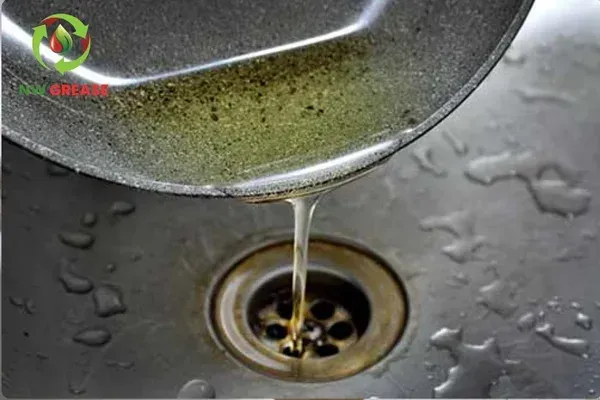
6. Enforce a No-Grease-Down-the-Drain Policy
Many staff members assume hot water can "wash away" grease, but this only pushes the problem deeper into the plumbing system.
Proper grease control handling prevents thousands in potential plumbing repairs.
Weekly & Monthly Grease Buildup Prevention Strategies
Beyond daily cleaning, long-term maintenance is essential for compliance and equipment safety.
1. Deep Clean Hood Filters Weekly
Hood filters should be:
Removed
Soaked
Scrubbed
Dried completely
This keeps your ventilation system working efficiently and reduces fire risk.
2. Schedule Professional Hood Cleaning Every 3–6 Months
Professional cleaning ensures:
Ducts are scrubbed
Fans and motors are degreased
Fire risk is minimized
This is a non-negotiable requirement for fire safety compliance.
3. Regular Grease Trap Cleaning
Failing to pump grease traps leads to:
Foul odors
Drainage issues
Costly fines
Kitchen shutdowns
Most restaurants require monthly cleaning, depending on volume.
If you run a Washington-based kitchen and want a reliable cleaning partner, visit our internal link:
➡ Why Restaurants in Washington Trust NW Grease
4. Maintain Proper Ventilation
Poor airflow causes grease vapors to settle on surfaces. Regular HVAC cleaning supports:
Better air quality
Cleaner kitchen surfaces
Cooler cooking environments
You’ll notice a major difference in cleanliness and comfort.
5. Inspect Drains for Early Signs of Clogs
Even with proper practices, small amounts of FOG can enter drains. Routine inspections and enzymatic cleaners help break down residue before it hardens.
How to Handle Used Cooking Oil Safely
Safe handling is the backbone of any grease management system.
Best practices include:
Use sealed containers for used oil
Never leave oil containers open
Avoid adding water or food waste to oil bins
Store outside containers in secure, shaded areas
Train staff on safe oil transport (no hot oil carrying!)
A good oil handling routine is one of the most effective grease buildup prevention strategies you can implement.
Why Professional Grease Management Services Are Essential
Even with strong daily cleaning habits, commercial kitchens require professional support to stay compliant. Here’s why:
1. Grease Traps Need Professional Pumping
No matter how diligent your staff is, grease traps accumulate layers of sludge over time. Only licensed professionals can properly:
Pump the trap
Clean the walls
Dispose of FOG responsibly
Ensure compliance documentation
2. Used Cooking Oil Must Be Collected Safely
Reliable oil pickup services:
Prevent spills
Provide clean containers
Ensure environmentally safe disposal
Help restaurants earn rebates
NW Grease specializes in clean and safe used oil pickup, helping businesses keep their kitchens free from buildup and drainage issues.
3. Reduces Environmental Impact
Proper grease management helps kitchens reduce their ecological footprint. For more sustainability insights, visit our external link:
➡ Learn about reducing your kitchen’s carbon output here:
Carbon Footprint Reduction Guide
Advanced Grease Buildup Prevention Techniques for Busy Commercial Kitchens
High-volume kitchens need elevated strategies to keep grease under control. Here are powerful additions to your system:
1. Invest in an Automated Oil Filtration System
Automated systems filter fryer oil with minimal labor. This:
Reduces grease splatter
Extends oil life
Improves food quality
2. Upgrade to Energy-Efficient Vent Hoods
Modern hoods capture grease more efficiently thanks to improved airflow technology.
3. Install Floor Drain Screens
Screens catch solids before they reach the drain, preventing buildup that can trap grease.
4. Use Enzyme-Based Degreasers for Drains
These biological cleaners naturally break down grease inside pipes, reducing the risk of major blockages.
5. Conduct Quarterly Grease Audits
A grease audit helps kitchen managers measure:
Hood cleanliness
Drain flow
Trap efficiency
Oil handling compliance
This proactive approach prevents emergencies and keeps your kitchen safe.
Training Staff: The Most Overlooked Factor in Grease Prevention
Even the best equipment won’t prevent buildup if your staff isn’t trained properly. Every team member should know:
The difference between FOG and food waste
Why grease cannot go down drains
How to clean equipment safely
How to empty drip trays
Proper grease control handling procedures
Daily habits are the foundation of long-term cleanliness.
How Grease Buildup Affects Your Bottom Line
Grease issues cost restaurants money in ways most owners underestimate:
Plumbing repairs can exceed $2,000
Vent hood fires can cause tens of thousands in damage
Closure during cleanup leads to revenue loss
Failed inspections result in fines
Worn-out equipment requires replacement
On the flip side, proper commercial kitchen cleaning and grease management improves:
Kitchen efficiency
Staff safety
Food quality
Equipment longevity
Profit margins
Grease prevention is an investment that pays off long-term.
Why NW Grease Is the Trusted Partner for Grease Management
NW Grease supports restaurants, cafeterias, and commercial kitchens with:
Professional grease trap cleaning
Environmentally responsible oil recycling
Reliable used cooking oil pickups
Clean, sealed storage containers
Drain maintenance support
Compliance documentation
Our focus is to help kitchens operate safely, efficiently, and sustainably without grease problems slowing you down.
Final Thoughts: Make Grease Prevention a Non-Negotiable Priority
Grease is inevitable but grease buildup is preventable. With strategic systems, proper training, and reliable professional support, your kitchen can stay cleaner, safer, and fully compliant all year long.
By choosing the right cleaning processes, smarter grease control handling practices, and partnering with a trusted service provider like NW Grease, you protect your staff, your customers, your equipment, and your business reputation.
A spotless, grease-free kitchen isn’t just achievable it’s essential.