How to Prevent Drain Clogs With Better Fryer Oil Management
The Hidden Connection Between Fryer Oil and Drain Clogs
Drain clogs are a major inconvenience for anyone who owns a restaurant or a kitchen. A blocked drain can disrupt operations, create unpleasant odors, increase maintenance costs, and even lead to health code violations. While many businesses focus on fixing drain issues after they occur, the smarter and more cost-effective approach is prevention.
One of the biggest causes of commercial kitchen drain problems is improper fryer oil management. Every day, restaurants generate large amounts of used cooking oil. When that oil is mishandled, poured down drains, or allowed to accumulate in plumbing systems, it can create serious blockages that affect the entire operation.
The good news is that preventing drain clogs does not require expensive equipment or major operational changes. By implementing better fryer oil management practices, restaurants can reduce plumbing emergencies, improve kitchen efficiency, and support sustainability initiatives through responsible used cooking oil recycling.
In this comprehensive guide, we'll explore how fryer oil affects drainage systems, the role of grease traps, and practical strategies that help restaurants maintain healthy plumbing while maximizing operational efficiency.
Why Drain Clogs Are a Major Problem for Restaurants
Commercial kitchens generate significantly more grease and oil than residential kitchens. Fryers, grills, ovens, and food preparation stations all contribute to grease accumulation throughout the day.
When oil enters drainage systems, it cools and solidifies. Over time, these deposits build up along pipe walls, reducing water flow and eventually causing complete blockages.
Common consequences include:
Slow-draining sinks
Standing water in kitchen areas
Unpleasant odors
Increased pest activity
Emergency plumbing expenses
Operational downtime
Health inspection violations
Costly pipe replacements
Many restaurant owners underestimate how quickly grease-related issues can escalate. What begins as a minor drainage issue can become a major plumbing emergency that impacts customer service and revenue.
Understanding How Fryer Oil Causes Drain Blockages
Many kitchen employees assume that liquid oil will simply wash away when combined with hot water. Unfortunately, that's not how commercial plumbing systems work.
Once fryer oil enters pipes, several things happen:
Cooling and Solidification
Even if oil appears liquid when poured into a drain, it cools as it travels through plumbing systems. As temperatures decrease, grease begins to thicken and stick to pipe interiors.
Accumulation of Food Particles
Oil deposits act like magnets for food scraps and debris. Small particles become trapped in grease layers, creating larger blockages over time.
Reduced Pipe Diameter
As grease accumulates, the effective diameter of pipes decreases. Water flow becomes restricted, leading to slow drainage and recurring backups.
Complete Obstruction
Without intervention, grease buildup eventually causes total pipe blockage, requiring professional cleaning or pipe replacement.
This cycle repeats continuously in restaurants that lack proper fryer oil disposal procedures.
The Importance of Proper Used Cooking Oil Recycling
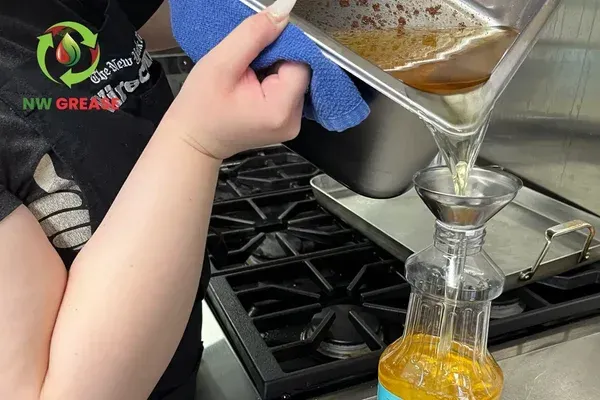
One of the most effective ways to prevent drain clogs is implementing a structured used cooking oil recycling program.
Rather than disposing of oil improperly, restaurants can collect, store, and recycle used cooking oil through professional service providers.
Benefits include:
Reduced drain blockages
Lower plumbing maintenance costs
Improved environmental compliance
Enhanced sustainability efforts
Cleaner kitchen operations
Potential recycling incentives
Recycled cooking oil can be converted into biodiesel, renewable fuels, and other environmentally beneficial products. This makes what was once considered as waste become a valuable resource.
Businesses that prioritize used cooking oil recycling often experience fewer drainage issues while strengthening their environmental reputation.
Common Fryer Oil Management Mistakes Restaurants Make
Many drain problems stem from avoidable operational errors.
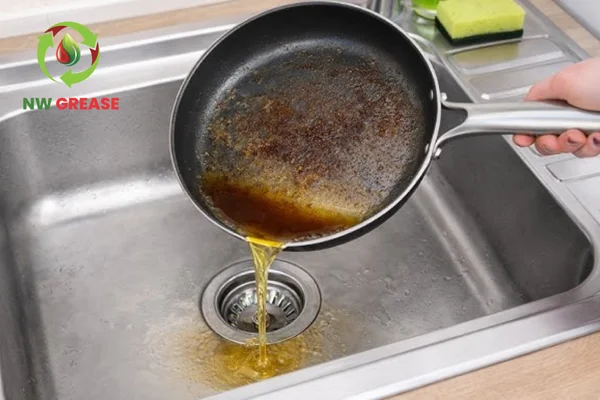
Pouring Oil Down Drains
This remains one of the most damaging practices in commercial kitchens. Even small amounts of fryer oil can accumulate over time and create significant blockages.
Overfilling Grease Containers
When collection containers overflow, spills can enter drainage systems and contribute to plumbing problems.
Inconsistent Oil Collection Schedules
Allowing oil storage containers to reach capacity increases the likelihood of accidental spills and improper disposal.
Lack of Employee Training
Without proper training, employees may unknowingly dispose of grease incorrectly.
Ignoring Grease Trap Maintenance
Even the best oil recycling program cannot compensate for neglected grease traps.
Developing a Better Fryer Oil Management System
A proactive management system can dramatically reduce plumbing-related issues.
Step 1: Establish Clear Disposal Procedures
Create written guidelines that explain:
How used oil should be handled
Where oil should be stored
Who is responsible for disposal
Emergency spill response procedures
Consistency is essential for long-term success.
Step 2: Use Designated Collection Containers
Invest in secure containers designed specifically for used cooking oil storage.
Proper containers help:
Prevent spills
Improve workplace safety
Simplify recycling collection
Reduce contamination risks
Step 3: Schedule Regular Oil Pickups
Working with professional recycling partners ensures oil is removed before storage capacity becomes an issue.
Many restaurants benefit from scheduled collections based on usage volume rather than waiting until containers are full.
Step 4: Monitor Oil Usage
Tracking fryer oil usage helps identify trends and optimize collection schedules.
Restaurants that monitor oil consumption often discover opportunities to improve efficiency and reduce waste.
The Critical Role of Restaurant Grease Trap Cleaning
While fryer oil management prevents oil from entering drains, grease traps provide an additional layer of protection.
The purpose of a grease trap is to prevent fats, oils and grease (FOG) from entering sewer systems.
However, grease traps only function effectively when maintained properly.
Regular Restaurant Grease Trap Cleaning removes accumulated grease and prevents overflow situations that can contribute to drain blockages.
Benefits of routine grease trap maintenance include:
Improved drainage performance
Reduced odors
Lower risk of sewer backups
Better regulatory compliance
Extended plumbing lifespan
Ignoring grease trap maintenance often leads to costly repairs and operational disruptions.
Warning Signs Your Grease Trap Needs Attention
Restaurant operators should monitor for signs that grease traps require cleaning.
Common indicators include:
Slow Drainage
When sinks drain slowly, grease accumulation may be restricting flow.
Strong Odors
Foul smells often indicate excessive grease buildup within traps.
Frequent Backups
Recurring drainage problems suggest the grease trap may be nearing capacity.
Visible Grease Accumulation
Grease levels that exceed recommended limits require immediate servicing.
Increased Pest Activity
Grease and food residue can attract insects and rodents.
Addressing these warning signs early can prevent larger plumbing emergencies.
Why Searching for Grease Trap Cleaning Near Me Matters
When drainage issues arise, many restaurant owners begin searching for grease trap cleaning near me to find immediate assistance.
While emergency service is important, preventive maintenance is even more valuable.
Partnering with a reliable local grease management provider offers several advantages:
Faster response times
Consistent maintenance schedules
Better understanding of local regulations
Reduced emergency service costs
Improved operational reliability
Restaurants that establish long-term service relationships often experience fewer plumbing emergencies and lower maintenance expenses.
Employee Training: The Missing Piece of Drain Prevention
Even the most advanced grease management systems can fail if employees are not properly trained.
Staff education should cover:
Proper Oil Disposal
Employees must understand that oil should never enter sinks or floor drains.
Spill Prevention
Training should emphasize safe transport and handling procedures.
Grease Trap Awareness
Kitchen staff should recognize the importance of grease trap functionality.
Reporting Procedures
Employees should know how to report drainage issues before they become major problems.
A well-trained team serves as the first line of defense against drain-related complications.
Sustainable Waste Management and Kitchen Efficiency
Drain prevention is closely linked to broader sustainability efforts.
Restaurants that implement responsible oil management practices often improve overall waste reduction performance.
By integrating recycling initiatives with operational procedures, businesses can reduce environmental impact while improving profitability.
You can learn more about responsible environmental practices through NW Grease's guide on sustainable waste management.
Sustainability and operational efficiency often go hand in hand when proper grease management systems are implemented.
How Industry Partnerships Support Better Oil Recycling
Many restaurants achieve the best results by working with organizations that specialize in commodity recovery and recycling.
For example, companies involved in renewable resource recovery help transform used cooking oil into valuable products that support circular economy initiatives.
Through partnerships with organizations such as Start Green Commodities, businesses can contribute to more sustainable resource utilization while reducing environmental waste.
This approach not only supports compliance but also strengthens long-term sustainability objectives across the food service industry.
Building a Long-Term Drain Prevention Strategy
Preventing drain clogs requires more than occasional maintenance.
A comprehensive strategy should include:
Regular Oil Collection
Ensure used cooking oil is collected consistently.
Scheduled Grease Trap Cleaning
Maintain traps before they become overloaded.
Staff Education
Provide ongoing training and refresher programs.
Drain Inspections
Monitor plumbing systems regularly.
Recycling Partnerships
Work with experienced recycling providers.
Documentation
Keep records of maintenance, inspections, and recycling activities.
This proactive approach significantly reduces the risk of costly plumbing emergencies.
The Financial Benefits of Better Fryer Oil Management
Many restaurant operators focus on the environmental benefits of oil recycling but overlook the financial advantages.
Improved fryer oil management can help reduce:
Emergency plumbing repairs
Drain cleaning costs
Sewer backup incidents
Health code violation risks
Kitchen downtime
Equipment damage
Labor inefficiencies
Over time, these savings can far exceed the cost of implementing a professional grease management program.
Best Practices Checklist for Restaurant Operators
Use this checklist to improve drain health:
✔ Never pour fryer oil down drains
✔ Implement a structured used cooking oil recycling program
✔ Schedule regular Restaurant Grease Trap Cleaning
✔ Monitor grease trap levels routinely
✔ Train employees on proper oil disposal procedures
✔ Store used oil in approved containers
✔ Schedule professional maintenance inspections
✔ Maintain recycling documentation
✔ Address drainage issues immediately
✔ Partner with experienced grease management providers
Conclusion
Drain clogs are one of the most common and costly challenges facing commercial kitchens, but they are also among the most preventable. By focusing on better fryer oil management, restaurants can significantly reduce plumbing issues, improve operational efficiency, and support environmental sustainability.
A strong used cooking oil recycling program keeps grease out of drains while turning waste into a valuable resource. Combined with routine Restaurant Grease Trap Cleaning, employee training, and proactive maintenance, these practices create a healthier and more efficient kitchen environment.
Whether you're looking to reduce maintenance expenses, improve compliance, or simply avoid the next plumbing emergency, better fryer oil management is one of the smartest investments your restaurant can make. By taking action today, you'll protect your drainage systems, support sustainability goals, and keep your kitchen running smoothly for years to come.