Why Used Oil Recycling Is Essential for High-Volume Restaurants
Table of Contents
Understanding Used Cooking Oil in High-Volume Kitchens
The Hidden Problems of Poor Oil Management
Environmental Impact of Used Cooking Oil
Financial Benefits of Used Cooking Oil Recycling
Compliance and Regulatory Importance
How Grease Trap Cleaning Connects to Oil Recycling
Operational Efficiency for Busy Restaurants
Choosing the Right Recycling Partner
Best Practices for High-Volume Oil Management
The Future of Restaurant Sustainability
Final Thoughts
Understanding Used Cooking Oil in High-Volume Kitchens
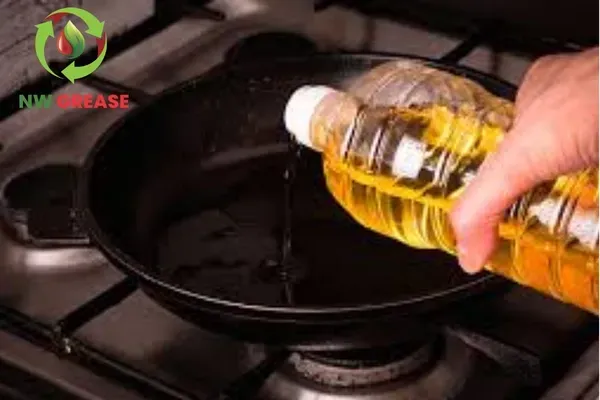
High-volume restaurants such as fast food chains, buffets, and large commercial kitchens can generate hundreds of gallons of used oil each week. Fryers are constantly running, and oil degrades quickly due to repeated use.
Without a proper system in place, this waste can pile up fast.
That’s where used cooking oil recycling comes into play. Instead of treating oil as waste, restaurants can transform it into a reusable resource that fuels other industries like biodiesel production.
The Hidden Problems of Poor Oil Management
If you’re not actively managing your used oil, you’re likely facing (or will soon face) these issues:
1. Plumbing Disasters
Pouring oil down drains leads to clogs, backups, and expensive repairs. Over time, grease solidifies and blocks pipes completely.
2. Health & Safety Risks
Spilled or improperly stored oil creates slippery surfaces, increasing the risk of workplace injuries.
3. Pest Infestations
Used oil attracts rodents and insects, especially when stored in open or poorly maintained containers.
4. Unpleasant Odors
Old oil produces strong, foul smells that can impact both your kitchen environment and customer experience.
5. Fire Hazards
Accumulated grease is highly flammable, posing a serious fire risk in busy kitchens.
Environmental Impact of Used Cooking Oil
Restaurants play a major role in environmental sustainability. Improper oil disposal can cause:
Water pollution when oil enters drainage systems
Soil contamination from illegal dumping
Increased landfill waste
On the flip side, Restaurant Cooking Oil Recycling helps reduce environmental damage by converting waste into renewable energy sources like biodiesel.
This means your restaurant can actively contribute to:
Lower carbon emissions
Cleaner water systems
Reduced reliance on fossil fuels
Financial Benefits of Used Cooking Oil Recycling
Many restaurant owners don’t realize that used oil can actually become a revenue stream.
1. Monetizing Waste
Recycling companies often pay for used oil, turning what was once a disposal cost into profit.
2. Reduced Maintenance Costs
Proper oil handling reduces plumbing issues and minimizes the need for frequent repairs.
3. Lower Cleaning Expenses
Efficient oil management reduces buildup, making kitchen cleaning faster and less costly.
4. Improved Equipment Lifespan
Well-maintained oil systems help extend the life of fryers and other kitchen equipment.
Compliance and Regulatory Importance
Health and environmental regulations are becoming stricter, especially for high-volume food establishments.
Failing to follow proper disposal practices can result in:
Heavy fines
Business shutdowns
Legal complications
By implementing used cooking oil recycling, restaurants can stay compliant with local and federal regulations while maintaining a positive reputation.
For more insights into working with smaller recycling providers, check out this helpful internal resource:
How Grease Trap Cleaning Connects to Oil Recycling
Many restaurant owners treat grease trap cleaning and oil recycling as separate tasks but they’re deeply connected.
Why It Matters:
Grease traps capture fats, oils, and grease (FOG) before they enter plumbing systems
Without regular cleaning, traps overflow and cause blockages
Poor oil disposal increases the load on grease traps
When you implement Restaurant Cooking Oil Recycling, you reduce the amount of grease entering your system, which means:
Fewer grease trap cleanings
Lower maintenance costs
Improved kitchen hygiene
Together, these systems create a smoother, more efficient operation.
Operational Efficiency for Busy Restaurants
High-volume restaurants depend on speed and consistency. Poor oil management can slow everything down.
Benefits of Efficient Oil Recycling Systems:
Faster kitchen workflows
Reduced downtime from maintenance issues
Cleaner and safer workspaces
Streamlined waste management processes
When staff don’t have to worry about oil disposal problems, they can focus on what really matters serving customers.
Choosing the Right Recycling Partner
Not all recycling services are created equal. For high-volume restaurants, choosing the right partner is critical.
What to Look For:
Reliable pickup schedules
Leak-proof storage containers
Compliance with environmental standards
Transparent pricing or payment structure
Emergency support services
A trusted provider ensures your used cooking oil recycling process runs smoothly without disrupting your operations.
Best Practices for High-Volume Oil Management
To maximize the benefits of Restaurant Cooking Oil Recycling, follow these proven strategies:
1. Use Proper Storage Containers
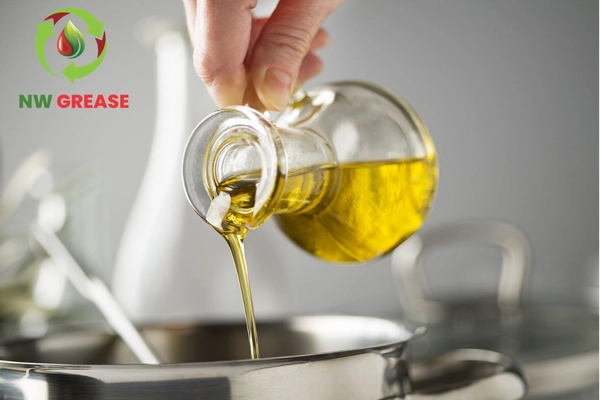
Invest in sealed, durable containers to prevent leaks and contamination.
2. Train Your Staff
Ensure employees understand how to handle and dispose of oil safely.
3. Schedule Regular Pickups
Avoid overflow by setting consistent collection schedules.
4. Monitor Oil Quality
Replacing oil at the right time improves food quality and reduces waste.
5. Combine with Grease Trap Maintenance
Regular grease trap cleaning ensures your entire system runs efficiently.
The Role of Technology in Oil Recycling
Modern kitchens are embracing smart solutions for waste management.
Innovations Include:
Automated oil monitoring systems
Smart storage tanks with sensors
Digital tracking for recycling volumes
These technologies help restaurants:
Optimize oil usage
Reduce waste
Improve sustainability reporting
The Future of Restaurant Sustainability
Sustainability is no longer optional it’s a competitive advantage.
Customers today prefer businesses that:
Care about the environment
Follow responsible waste practices
Support renewable energy initiatives
By investing in used cooking oil recycling, restaurants can:
Strengthen their brand image
Attract eco-conscious customers
Stay ahead of industry trends
Real-World Example: High-Volume Success
Imagine a busy fast-food chain producing gallons of used oil daily. Before implementing recycling:
Frequent plumbing issues
High cleaning costs
Complaints about odors
After adopting a structured recycling system:
Cleaner kitchen environment
Reduced expenses
Additional revenue from oil collection
This transformation shows how impactful proper oil management can be.
Common Myths About Oil Recycling
“It’s too expensive.”
In reality, it often saves money and can generate income.
“It’s complicated.”
With the right partner, the process is simple and automated.
“It doesn’t make a difference.”
Every gallon recycled contributes to environmental sustainability.
Why High-Volume Restaurants Can’t Ignore It
For smaller restaurants, poor oil management is a problem.
For high-volume restaurants, it’s a crisis waiting to happen.
The scale of operations means:
More waste
Higher risks
Greater costs if unmanaged
That’s why Restaurant Cooking Oil Recycling isn’t just helpful it’s essential.
Final Thoughts
Managing used oil may not be the most glamorous part of running a restaurant, but it’s one of the most important especially for high-volume operations.
By embracing used cooking oil recycling, you’re not just solving a waste problem. You’re creating a smarter, safer, and more sustainable business.
From reducing costs and improving efficiency to protecting the environment and staying compliant, the benefits are undeniable.