Seasonal Maintenance Checklist for Kitchen Exhaust Systems
Introduction
A kitchen exhaust system isn’t just another piece of equipment it’s the heart of your commercial kitchen’s safety and airflow. Every time your fryers sizzle, your ovens run, or your grills flare up, the exhaust system works in the background, pulling heat, smoke, grease vapors, and airborne contaminants out of your workspace.
But here’s the truth many restaurant owners learn too late:
If your exhaust system isn’t maintained seasonally, your kitchen becomes a fire hazard, a health risk, and a compliance nightmare.
That’s why a consistent, thorough kitchen hood inspection and seasonal checklist is essential. It protects your equipment, your staff, your ventilation system, your investment and ultimately, your customers.
This guide walks you through a complete, restaurant-ready seasonal maintenance plan, whether you operate a food truck, café, commercial kitchen, or a high-volume restaurant. And it’s written with real-world situations in mind, from fire safety concerns to airflow issues to compliance standards.
Why Seasonal Maintenance Matters More Than You Think
A lot can go wrong when grease, heat, and constant cooking come together. Restaurant fires, safety citations, heavy fines, and poor air quality often trace back to one problem:
An unchecked and unmaintained exhaust system.
Here’s why seasonal maintenance is non-negotiable:
1. Fire Prevention
The majority of commercial kitchen fires start because grease has accumulated in hoods, ducts, and exhaust fans. A small flare-up can ignite grease residue instantly.
Seasonal cleaning reduces the fuel that keeps fires alive.
2. Improved Air Quality
A properly functioning exhaust system:
Removes smoke
Controls heat
Prevents lingering odors
Supports healthy airflow
Without maintenance, kitchens become hot, humid, smoky, and unsafe for staff.
3. Longer Equipment Lifespan
Equipment that overheats or works harder than it should breaks down faster. Keeping your system clean preserves motors, belts, filters, and fans.
4. Compliance With Local & National Standards
Authorities require restaurants to follow strict cleaning schedules to remain operational. Violations can lead to:
Shutdowns
Failed inspections
Penalties
Loss of insurance coverage
Consistent commercial hood maintenance keeps you compliant and stress-free.
If you’re building a more sustainable, efficient kitchen overall, check out this helpful resource from NW Grease:
👉 Sustainable Kitchen Practices
Understanding the Core Components of Your Kitchen Exhaust System
Before jumping into the seasonal checklist, it helps to know what you’re maintaining. Your kitchen exhaust system typically includes:
Hood canopy
Grease filters
Exhaust fan
Ductwork system
Makeup air unit
Fire suppression system
Grease containment unit on the rooftop
Each part requires its own inspections and cleaning procedures to support commercial kitchen safety and long-term performance.
Seasonal Maintenance Checklist for Commercial Kitchen Exhaust Systems
Below is a professionally structured, restaurant-ready checklist broken down by seasons. You can merge this into your SOPs, safety protocols, or restaurant maintenance logs.
SPRING MAINTENANCE CHECKLIST
Fresh season, fresh airflow.
1. Full Kitchen Hood Inspection
Winter cooking often leads to thicker grease buildup. Inspect:
Hood interior and exterior
Filter condition
Light covers
Hood seams
Grease troughs and cups
Look for grease streaks, worn parts, or airflow changes.
2. Deep Filter Cleaning or Filter Replacement
Spring is the perfect time to replace filters if they’re bent, worn, or permanently stained.
Heavy grease buildup restricts airflow and stresses the entire system.
3. Exhaust Fan Belt Check
Fan belts often loosen during winter due to temperature changes.
Replace belts that show:
Cracking
Fraying
Slack
Wobbling pulley alignment
4. Inspect Rooftop Grease Containment
If your restaurant has fryers, your fan likely discharges grease onto the roof.
Overflows cause:
Roof membrane damage
Fire hazards
Insurance violations
Make sure grease pads or buckets are replaced on schedule.
5. Fire Suppression System Review
Confirm:
Nozzles are clean
Fusible links aren’t expired
Caps are in place
Fuel shut-off connects properly
SUMMER MAINTENANCE CHECKLIST
The busiest season needs the cleanest ventilation.
1. Ductwork Degreasing
Summer heat dries grease inside your ducts, making fires more dangerous. Schedule professional degreasing before peak season.
2. Check Makeup Air Unit (MAU) Performance
A failing MAU means:
Hotter kitchen
Moisture buildup
Strong odors
Poor air balance
Inspect filters, blowers, and heating/cooling elements.
3. Exhaust Fan Motor and Bearings
Heat strains your motor. Inspect:
Bearings
RPM stability
Vibration
Noise
Electrical connections
4. Verify Proper Airflow
Test for:
Kitchen hot spots
Smoke not venting properly
Suction inconsistencies
If airflow feels different during summer heat, servicing is required.
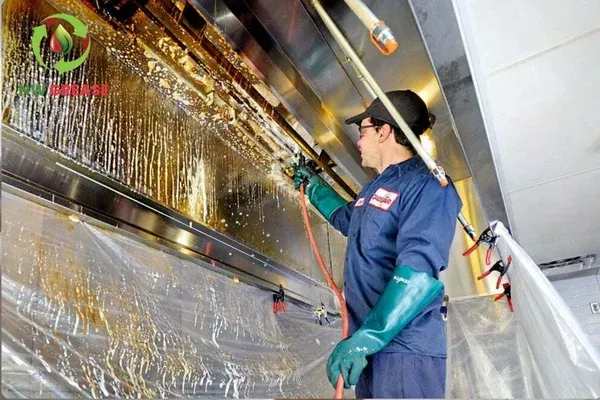
5. Hood Surface Cleaning
Grease splatter increases in high-volume months.
Odor + heat + grease = fire hazard.
Keep surfaces spotless weekly and deep cleaned seasonally.
FALL MAINTENANCE CHECKLIST
Prep for colder months and holiday rush.
1. Complete Hood System Clean
Fall is the ideal time to start fresh before holiday traffic. Perform:
Complete hood degreasing
Filter sanitation
Vent and fan cleaning
2. Check Fan Housing & Blades
Cooler weather stiffens grease and can block blades. Inspect for:
Build-up
Blade imbalance
Burnt smells
Strained fan noise
3. Tighten Electrical Components
Temperature shifts loosen connections.
Secure:
Grounding
Control boxes
Fan switches
Fire system wires
4. Fire System Seasonal Test
Before the busiest season, test your entire suppression system.
5. Roof System Cleaning
If you use a grease containment system:
Replace pads
Empty traps
Inspect for cracks
Remove overflow
WINTER MAINTENANCE CHECKLIST
Grease + cold weather = thick, stubborn buildup.
1. Deep Ductwork Cleaning
Winter cooking produces heavier, fattier grease. Combine that with cold ducts and you get hard, sticky grease layers.
A deep cleaning prevents seasonal fires.
2. Inspect Fans for Ice Buildup
Cold air causes:
Motor sluggishness
Frozen fan housings
Damaged bearings
Keep rooftop components free of ice.
3. Replace Winter-Worn Filters
Filters become saturated faster in winter due to cooler ambient temps.
Swapping filters early prevents suction problems.
4. Seal Air Leaks
Cold drafts make your system work harder. Check for:
Gaps around hoods
Leaks in duct joints
Drafts near fan doors
5. Clean Hood Light Fixtures
Winter conditions darken kitchens faster safe lighting is essential for holiday rush and compliance.
Year-Round Maintenance Tasks (Don’t Skip These!)
While seasonal tasks are vital, some exhaust responsibilities should happen every month or every week.
Weekly
Wipe down hood interior
Clean filters (depending on volume)
Check for dripping grease
Monthly
Inspect exhaust fans for vibration
Clean accessible duct surfaces
Test airflow strength
Quarterly
Full system inspection for high-volume restaurants
Rooftop grease unit cleaning
Remember: Consistent seasonal work prevents expensive emergency repairs.
How Regular Exhaust Maintenance Improves Commercial Kitchen Safety
Restaurants depend on fast, safe, uninterrupted workflow. Seasonal maintenance directly improves:
✔ Fire protection
Less grease = less fuel for flames.
✔ Air quality
Your staff can breathe, work, and move comfortably.
✔ Compliance confidence
Health and fire inspectors take your exhaust system seriously.
✔ Better energy efficiency
Clean systems use less power and reduce electric bills.
✔ Longer lifespan for kitchen equipment
Heat (especially trapped heat) destroys motors, wiring, and appliances.
✔ Reduced downtime
No clogged hoods, burned motors, or system failures during rush hour.
When you treat your exhaust system as part of regular commercial hood maintenance, your entire operation becomes more reliable and profitable.
The Role of Grease Management in Exhaust System Health
Your hood system and your grease management routine work hand-in-hand.
If grease traps, grease lines, and waste oil storage are ignored, grease vapors rise faster and that extra grease ends up inside your exhaust ducts.
That’s why restaurant owners should also keep waste oil under control using the proper collection methods. Here’s a great resource on responsible handling:
👉 Waste Oil Collection Service
Combining grease trap care + exhaust maintenance = a cleaner, safer, more compliant kitchen.
Signs Your Kitchen Exhaust System Needs Immediate Attention
If you notice any of these, you’re overdue for a kitchen hood inspection:
Strong smoke that takes too long to clear
Grease dripping from hoods or ducts
Loud or vibrating exhaust fan
Hot, humid kitchen environment
Unusual smells from the hood
Reduced suction when cooking
Grease buildup on ceilings or walls
Rooftop grease overflow
Fan struggling to start
These problems won’t fix themselves they worsen with time.
How Often Should You Schedule Professional Exhaust Cleaning?
While seasonal maintenance is ideal, frequency depends on your cooking volume:
Even with in-house cleaning, professional cleaning is required for compliance and insurance.
Why Partner With Local Professionals Like NW Grease?
A reliable maintenance provider gives you:
Trained technicians
Code-compliant cleaning
Documentation for inspectors
Fire safety assurance
Grease disposal compliance
Fewer breakdowns and emergencies
NW Grease specializes in full-service kitchen exhaust care tailored to Washington restaurants from seasonal cleaning to sustainability-focused waste solutions.
Your kitchen should never operate on guesswork.
A safe restaurant starts with a clean, efficient exhaust system.
Final Thoughts: Seasonal Maintenance Is Your Best Defense
Ignoring your exhaust system doesn’t just risk equipment damage it risks your business, your staff, and your reputation. Seasonal maintenance creates:
Safer kitchens
Healthier airflow
Longer-lasting equipment
Lower operating costs
Consistent compliance
Smoother restaurant operations
Make the seasonal checklist part of your kitchen routine, and you’ll prevent 90% of the problems restaurants face with ventilation systems.
If you want a cleaner, safer, more sustainable commercial kitchen, NW Grease is your trusted partner.